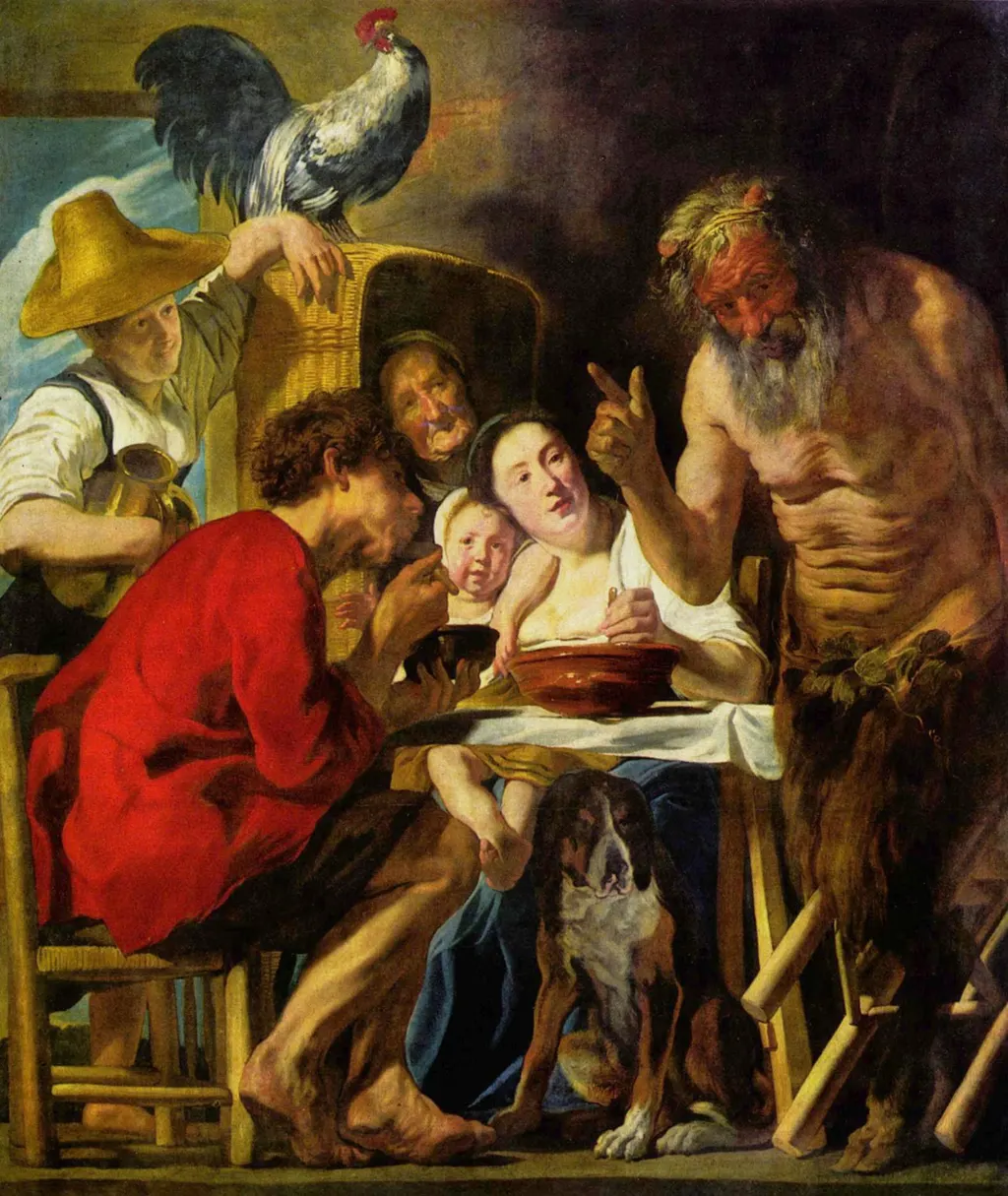
Art History
Jacob Jordaens and His Classical Sources
How the Antwerp painter Jacob Jordaens drew on Aesop, Ovid and Philostratus, and how one Mauritshuis canvas changed its subject from Marsyas to Pan.
Every article published on Artwis, newest first: art history, artists, decorative arts, museums, maps, collecting and creative education.
How the Antwerp painter Jacob Jordaens drew on Aesop, Ovid and Philostratus, and how one Mauritshuis canvas changed its subject from Marsyas to Pan.
Conservation advice for art at home: light, humidity, hanging, framing works on paper, handling ceramics and silver, pests and when to call a conservator.
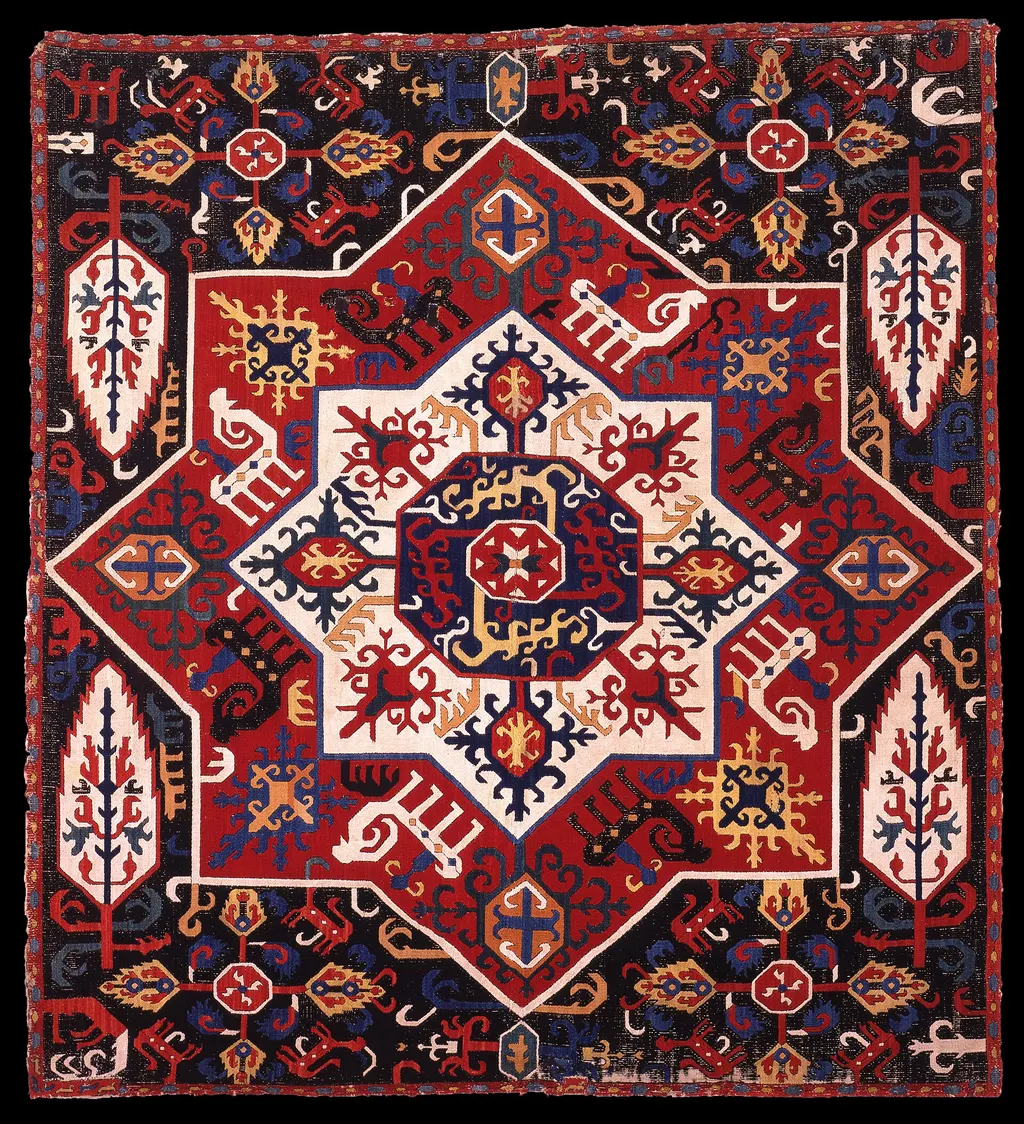
The silk embroideries of Kaitag in southern Daghestan: how they were made, used and dated, and why their bold designs keep being compared to Matisse.
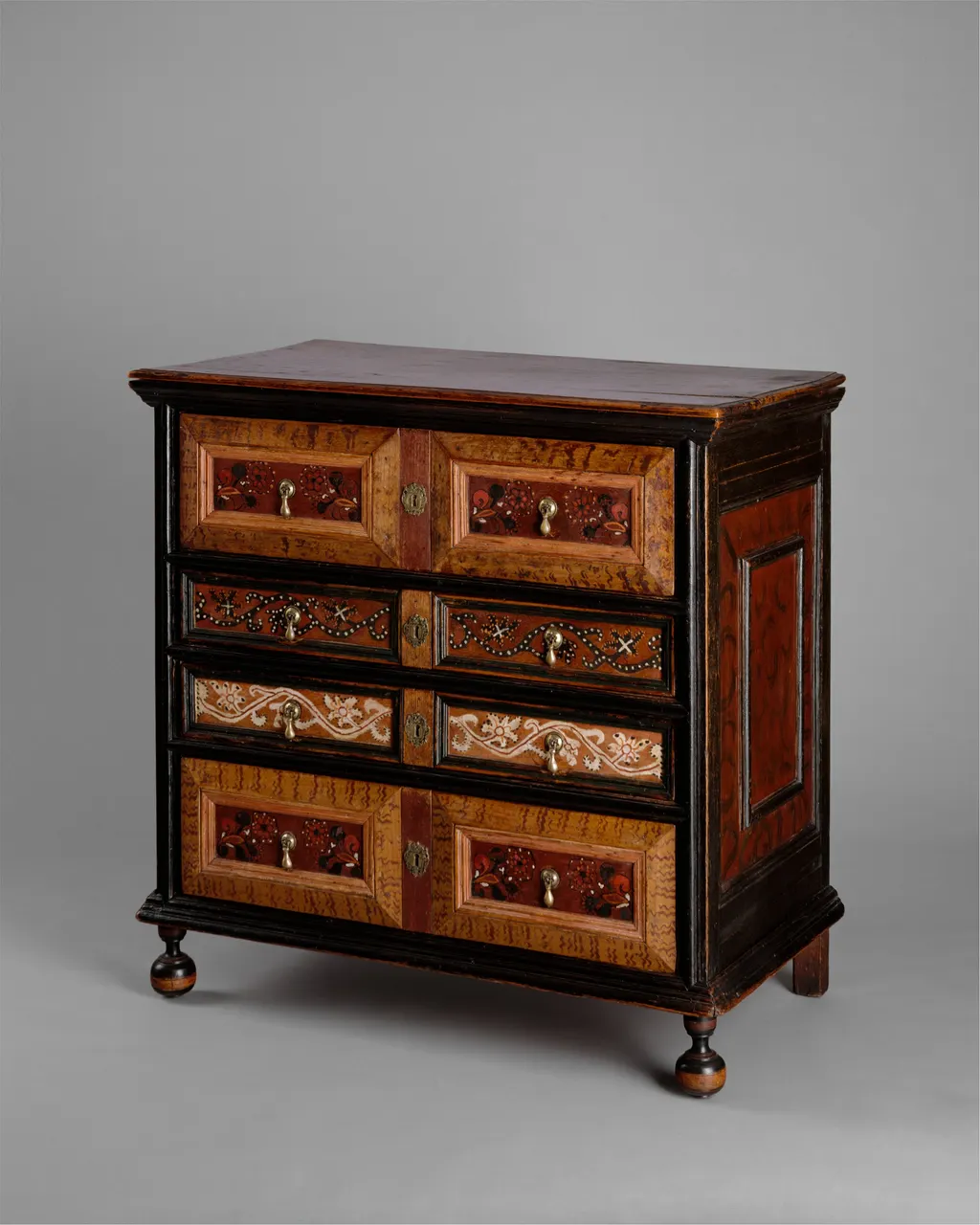
Read old furniture like a cabinetmaker: woods, dovetails, saw and plane marks, nails and screws, shrinkage, wear and style, plus signs of marriages.
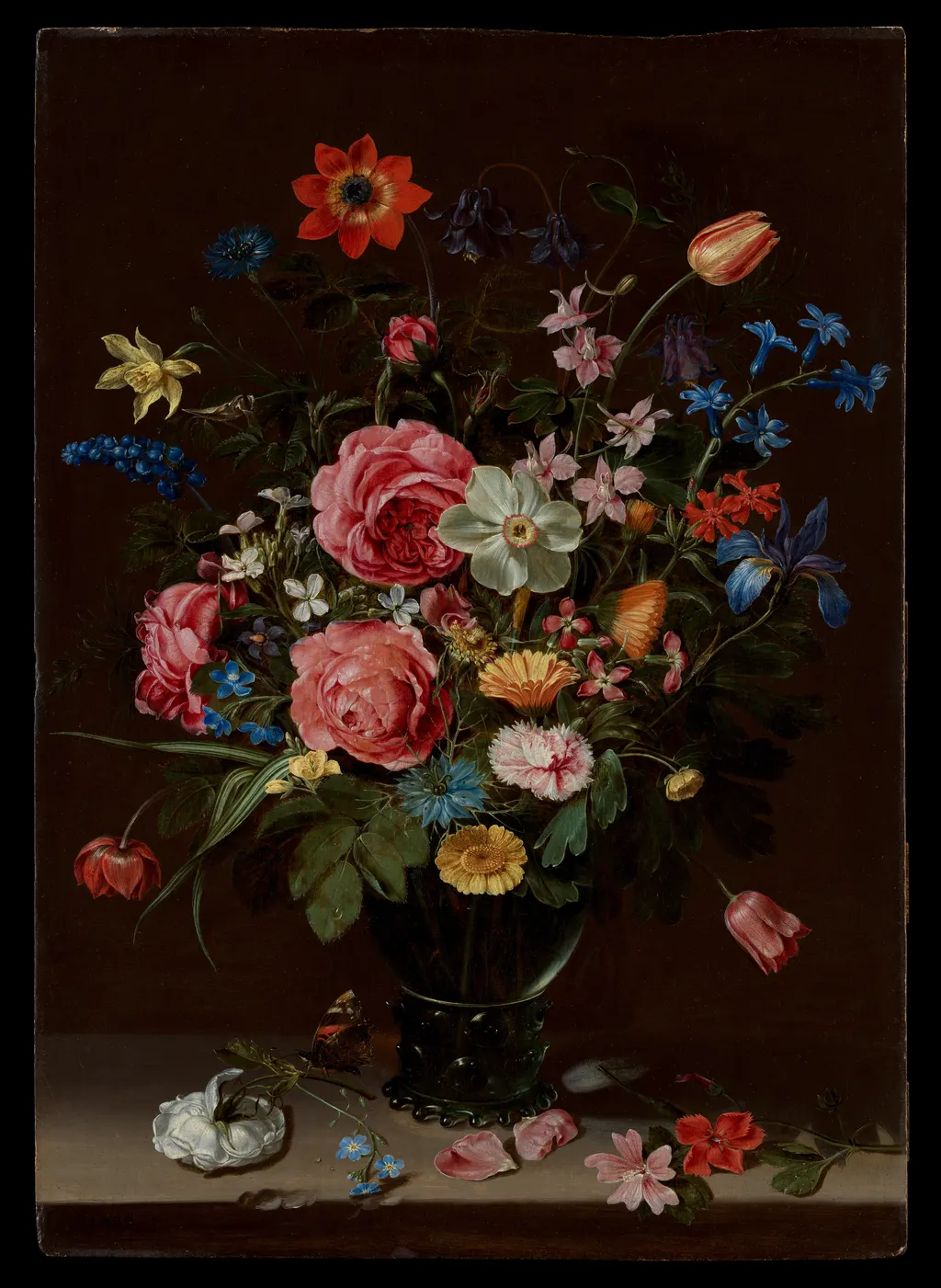
Clara Peeters's earliest dated still life of 1607, its candle, rosemary and jewels, and the debate over whether it warns of mortality or celebrates a wedding.
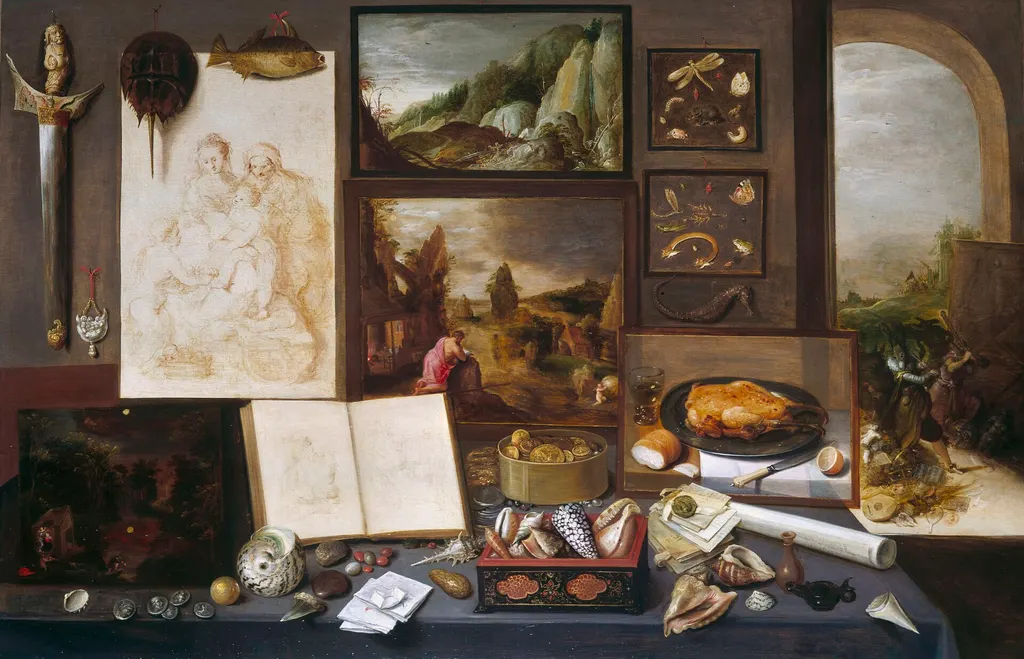
Ethical collecting in practice: provenance, stolen-art checks, antiquities and ivory rules in the UK, EU and US, money-laundering checks and paperwork.
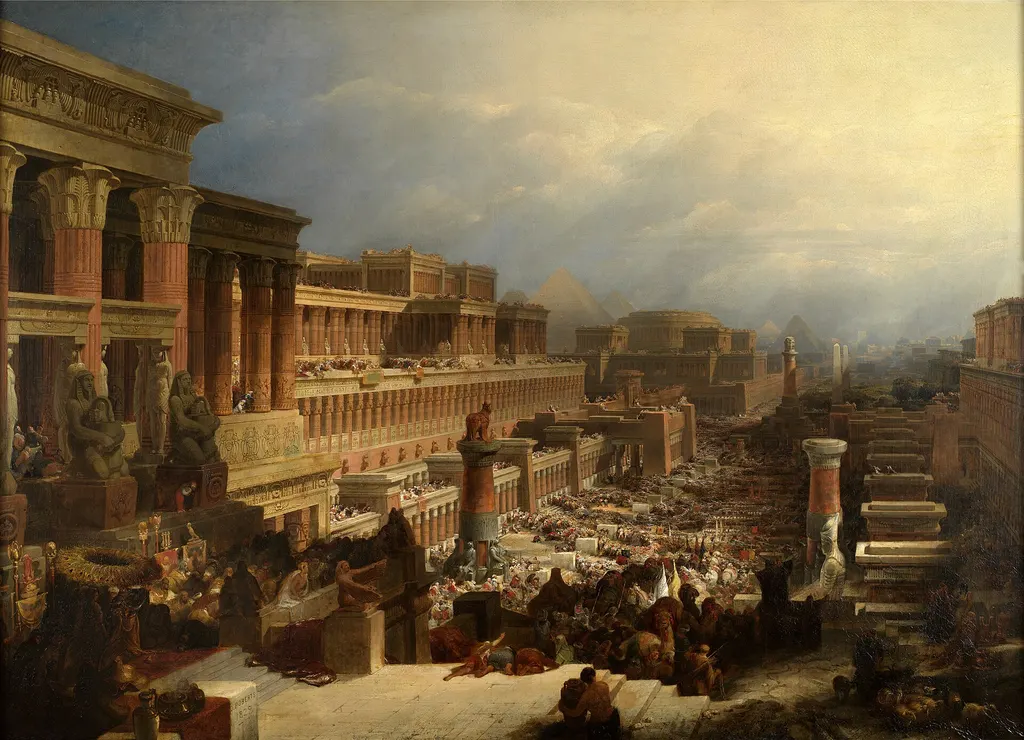
How the Scottish painter David Roberts turned his 1838–39 journey through Egypt and the Levant into lithographs that shaped how Europe saw antiquity.
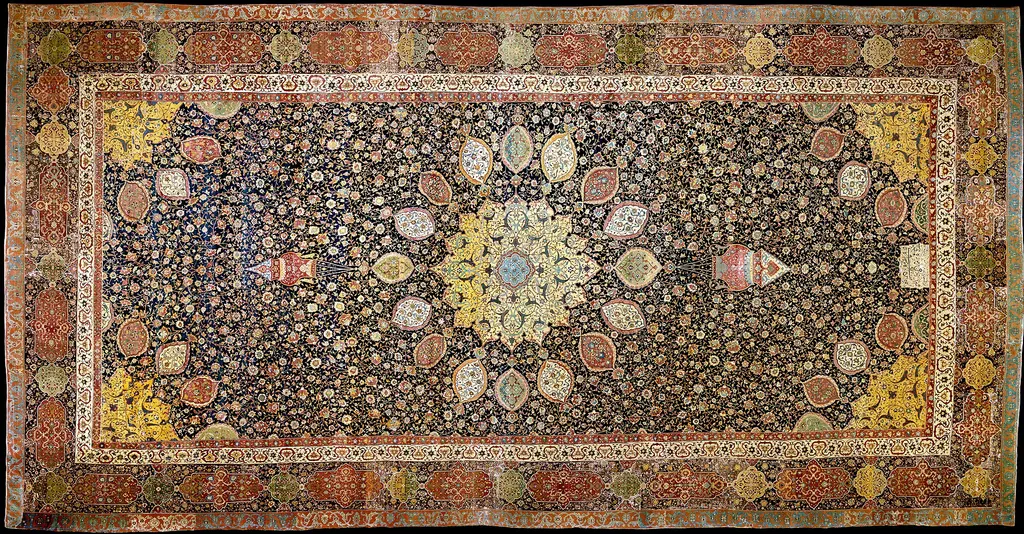
A practical guide to hand-knotted rugs: warp, weft and knots, field and border, common motifs, dyes, and what the back of a rug reveals about its making.
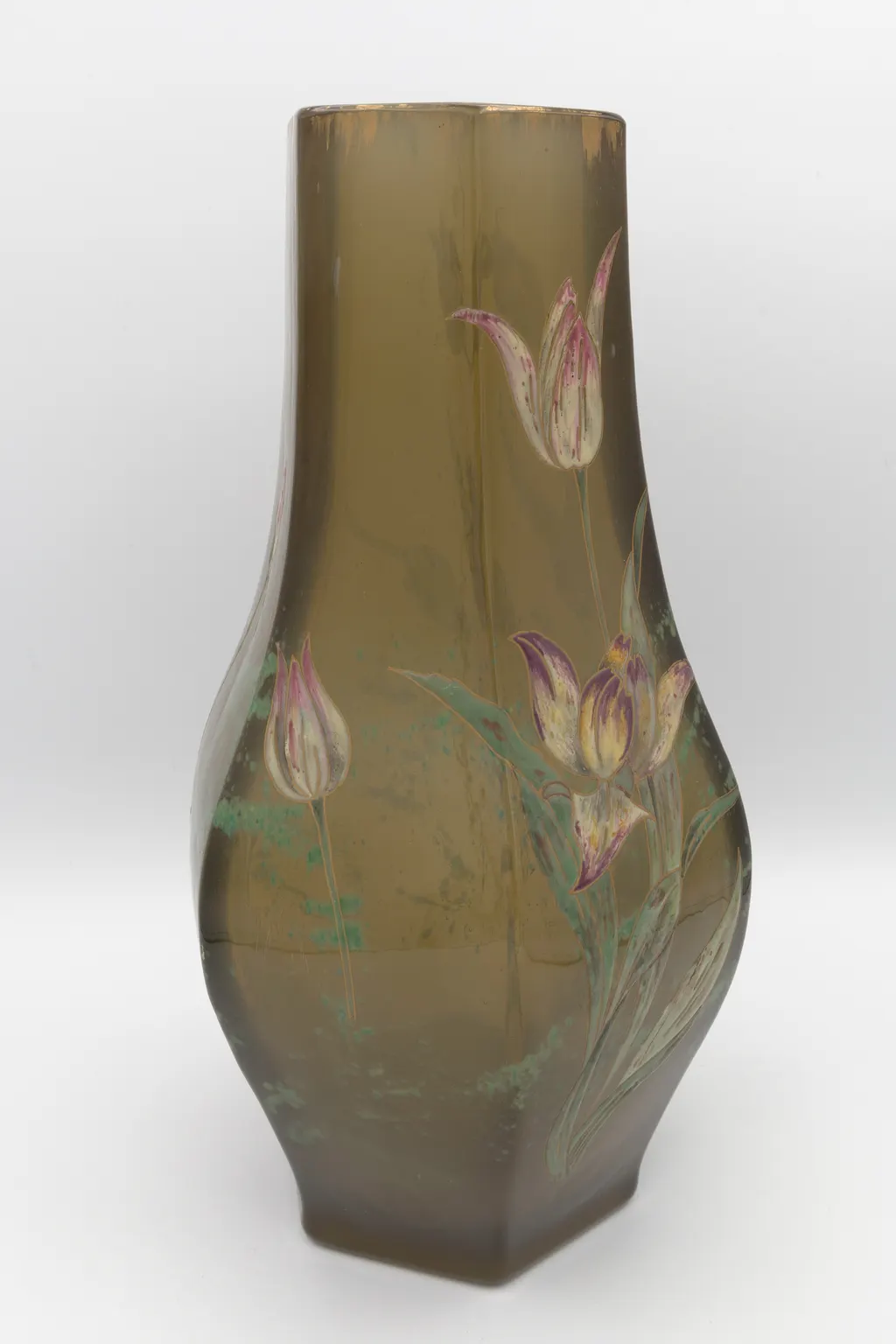
How to judge cameo and moulded glass by Gallé, Daum, Schneider and Lalique: making techniques, what signatures do and do not prove, reproductions and condition.
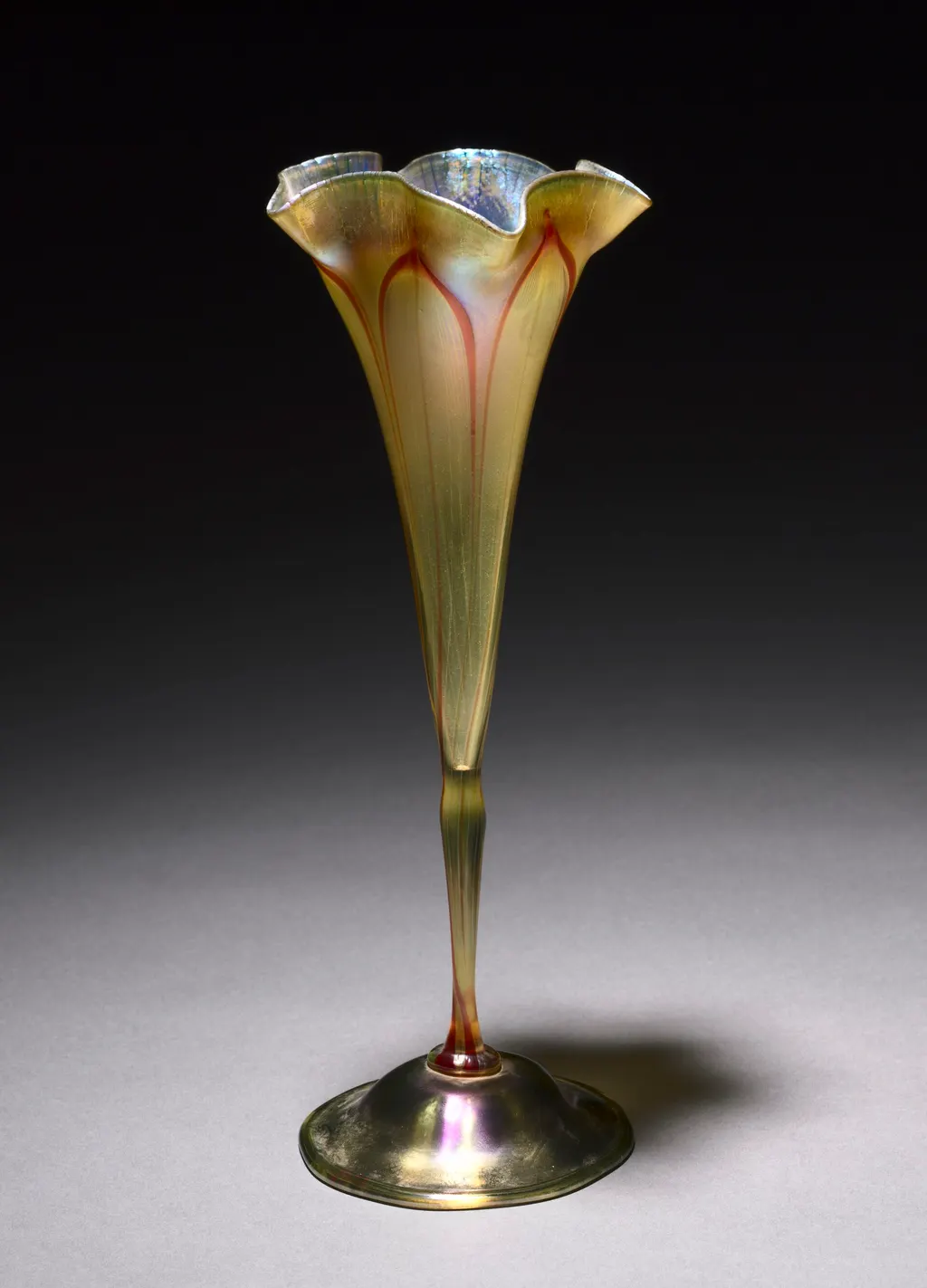
From core-formed vessels and Roman cameo glass to Venetian cristallo, Gallé, Tiffany and studio glass: how glass became an art, and what to look for.
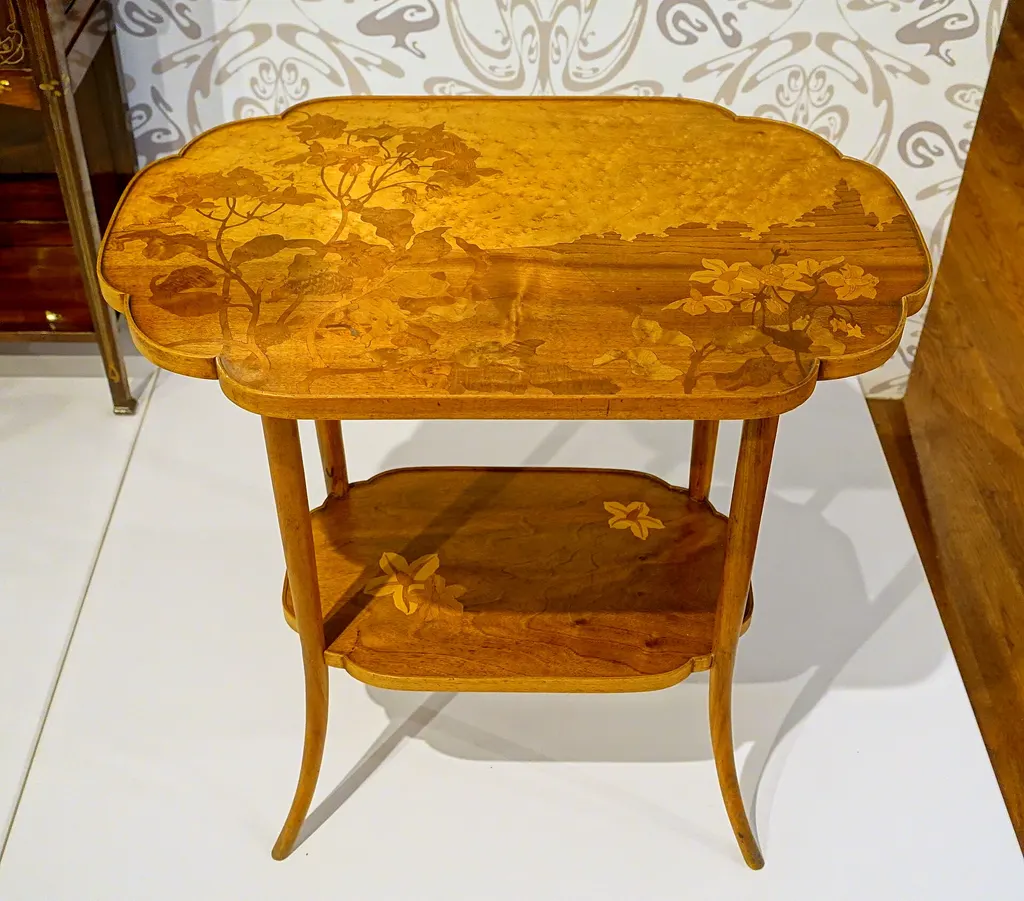
Émile Gallé's Art Nouveau marquetry furniture from Nancy: its plants, woods and inscriptions, how it was made, and how to tell period pieces from later work.
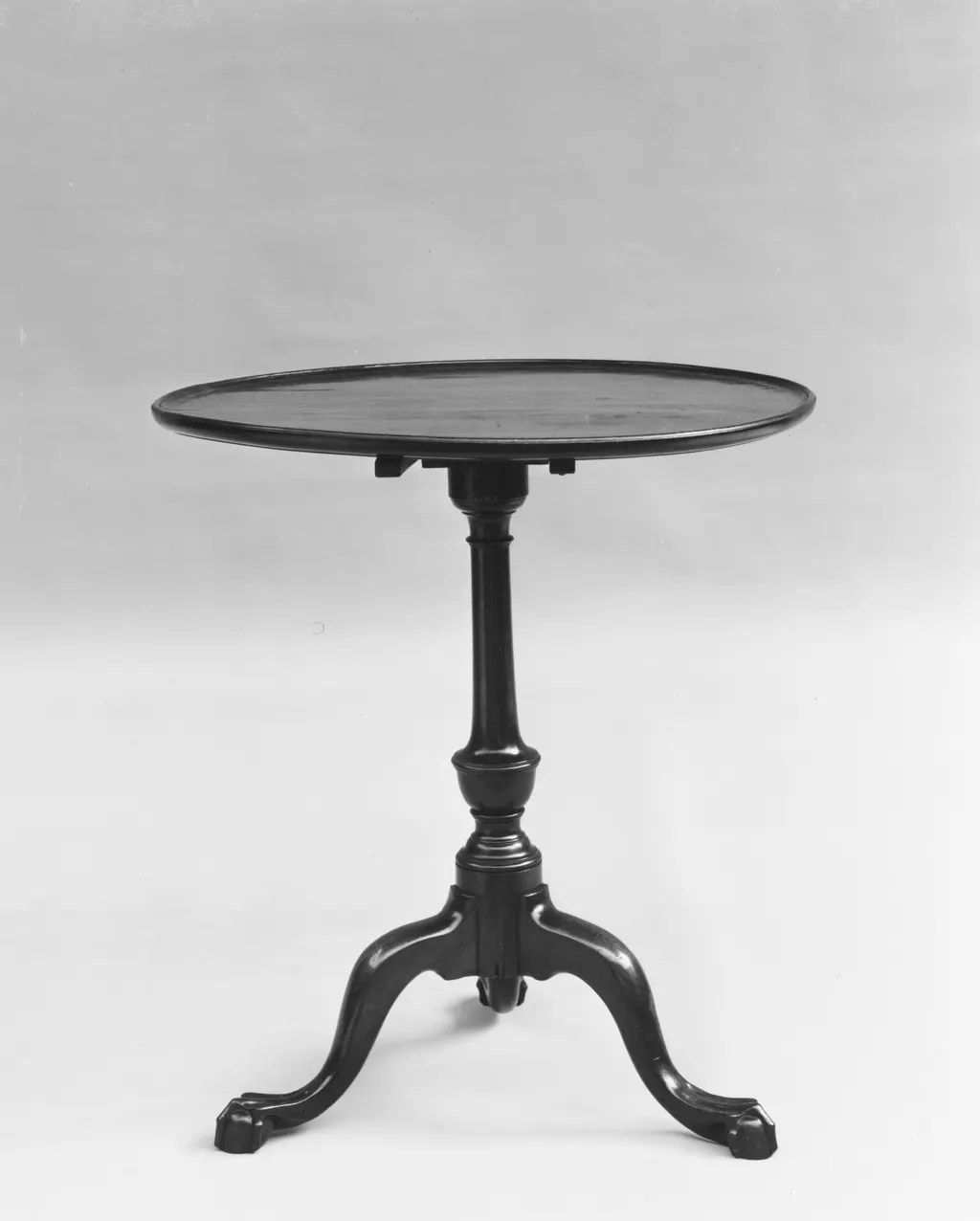
What the decorative arts are, why museums were built for them, and five questions that unlock any chair, teapot, carpet or vase you meet in a gallery or a sale.