Decorative Arts
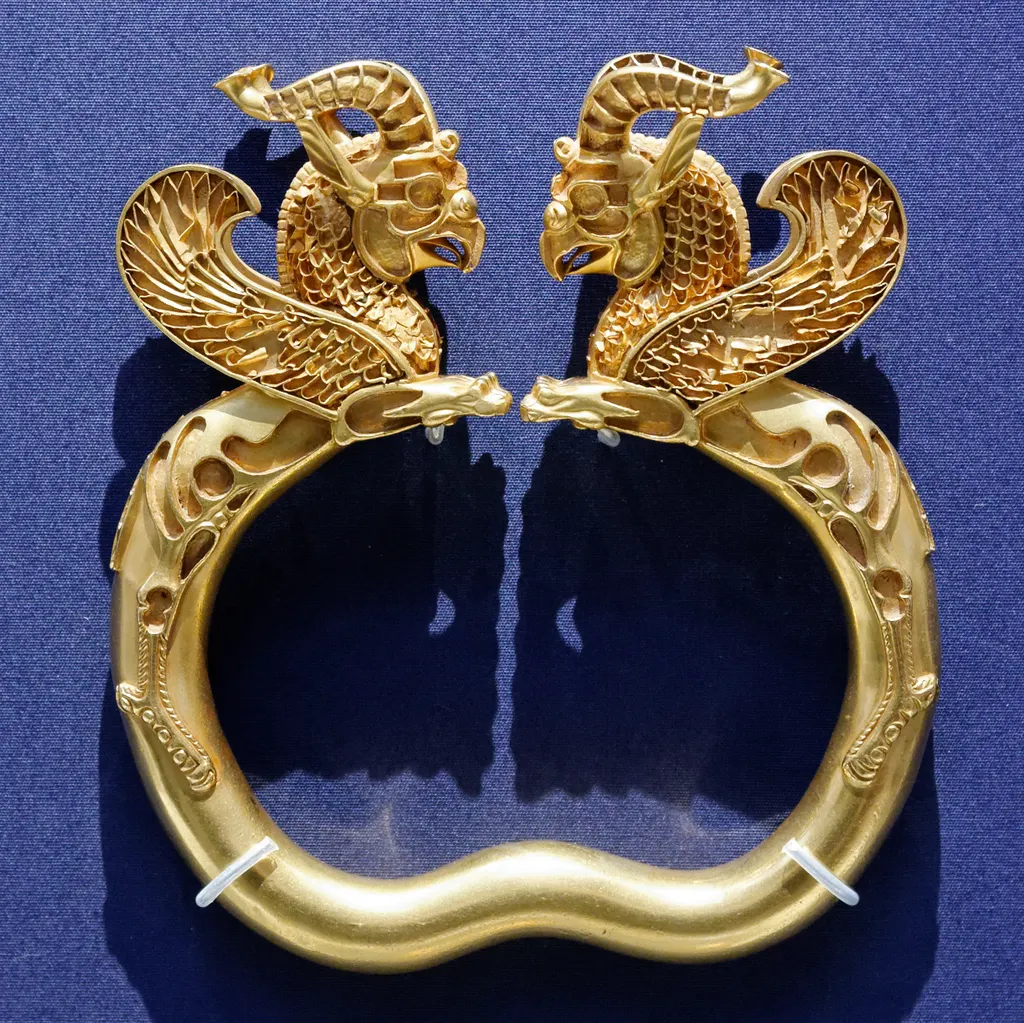
Tajik Jewellery: Gold, Silver and Symbol
From the Oxus Treasure to Bukharan silver set with turquoise and coral: the layered history of jewellery in the Tajik lands, its birds and its uncertain labels.
Jewellery, glass, silver, furniture, textiles and rugs: objects made for use and display, and how to read their makers, materials and meanings.
10 articles
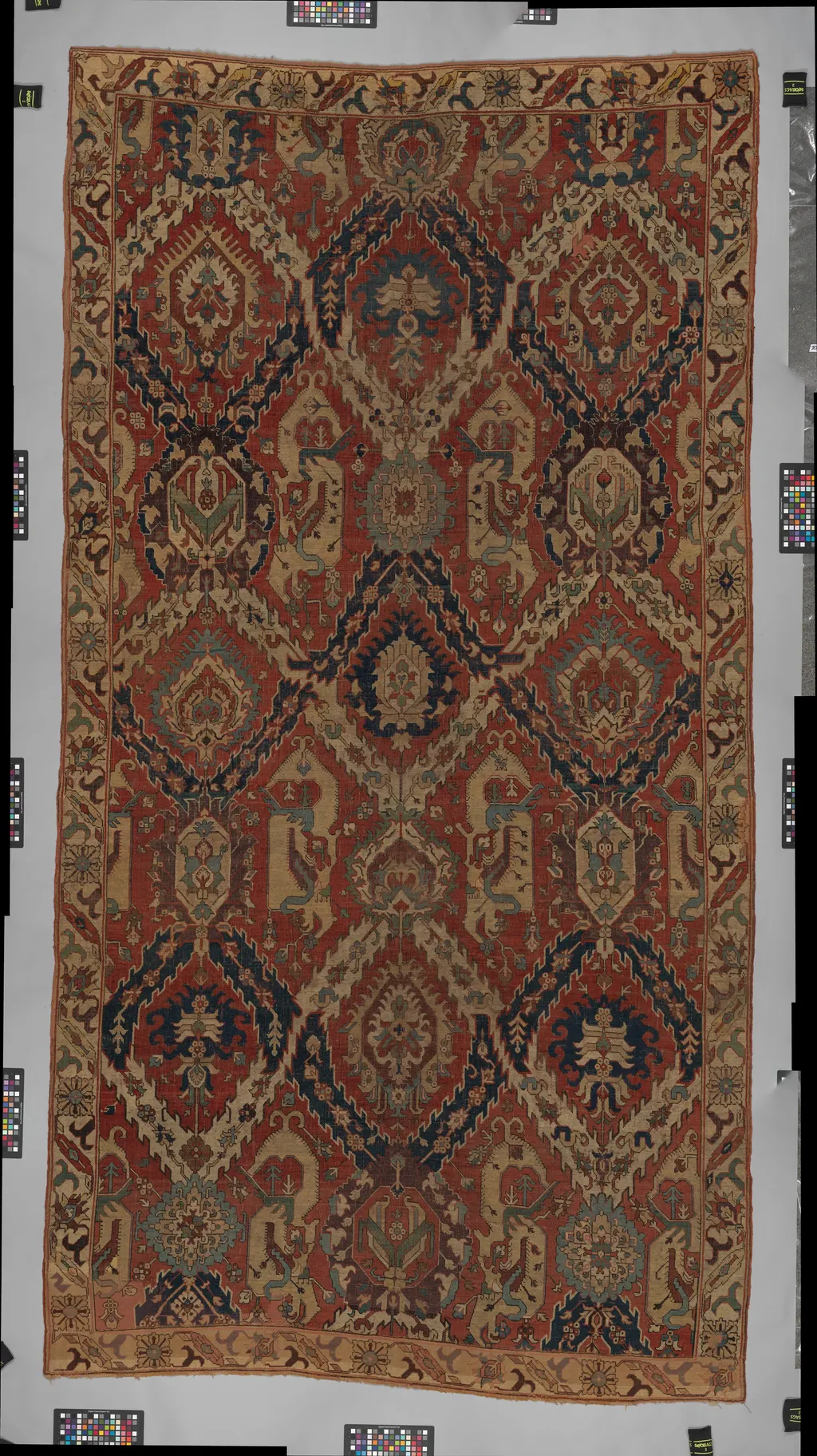
Inscribed Armenian rugs give firm anchors, but most Caucasian rugs carry no words. What structure, dyes and history can and cannot tell us about their weavers.
From the Oxus Treasure to Bukharan silver set with turquoise and coral: the layered history of jewellery in the Tajik lands, its birds and its uncertain labels.
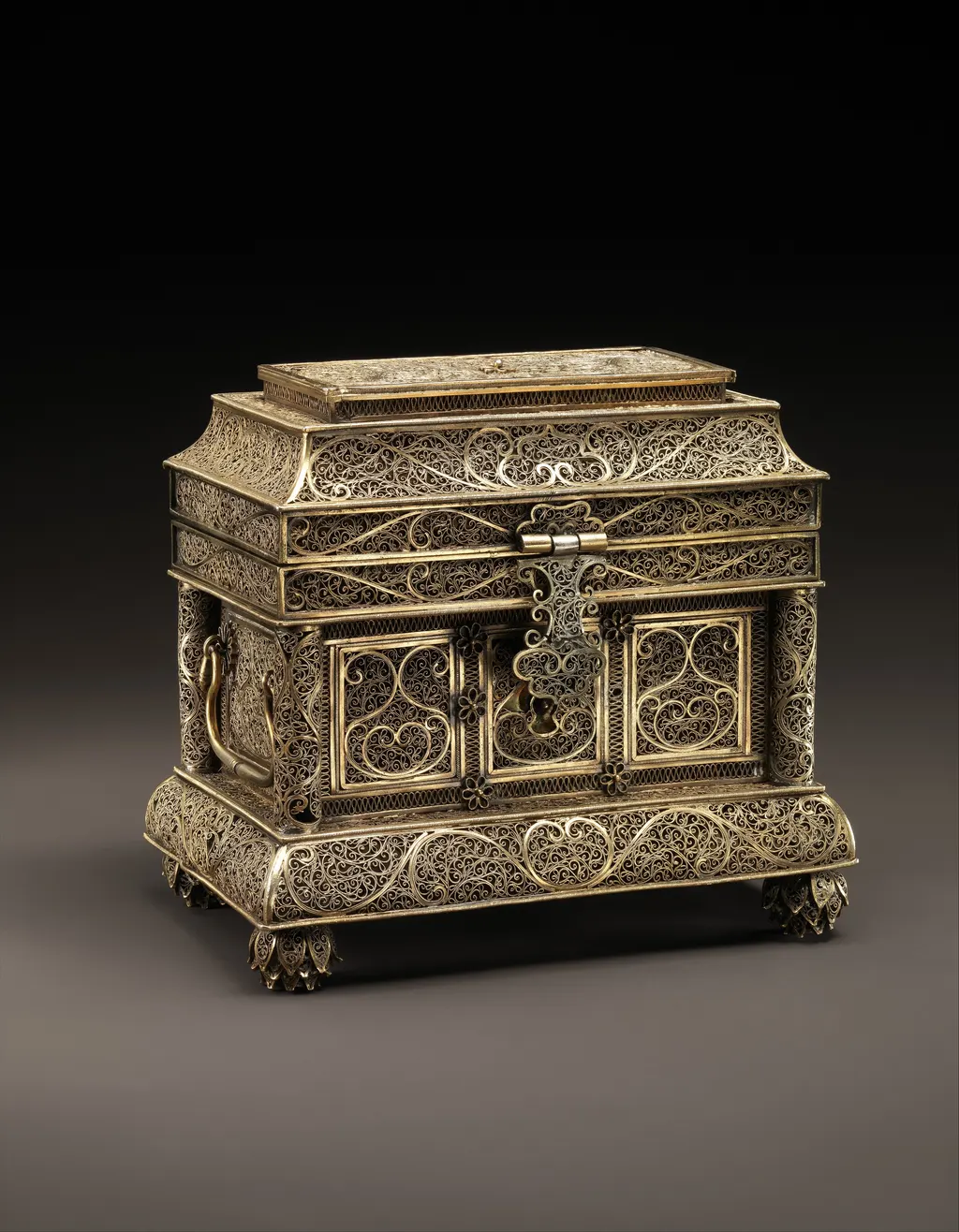
Asian silver filigree dazzled European courts from the seventeenth century, yet most royal collections were melted down. Why Russia's survived.
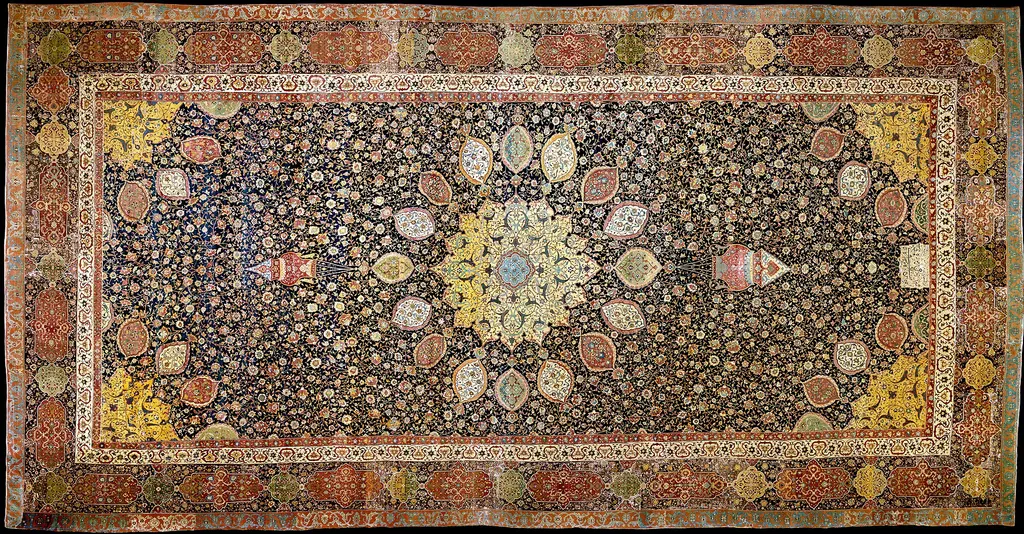
A practical guide to hand-knotted rugs: warp, weft and knots, field and border, common motifs, dyes, and what the back of a rug reveals about its making.
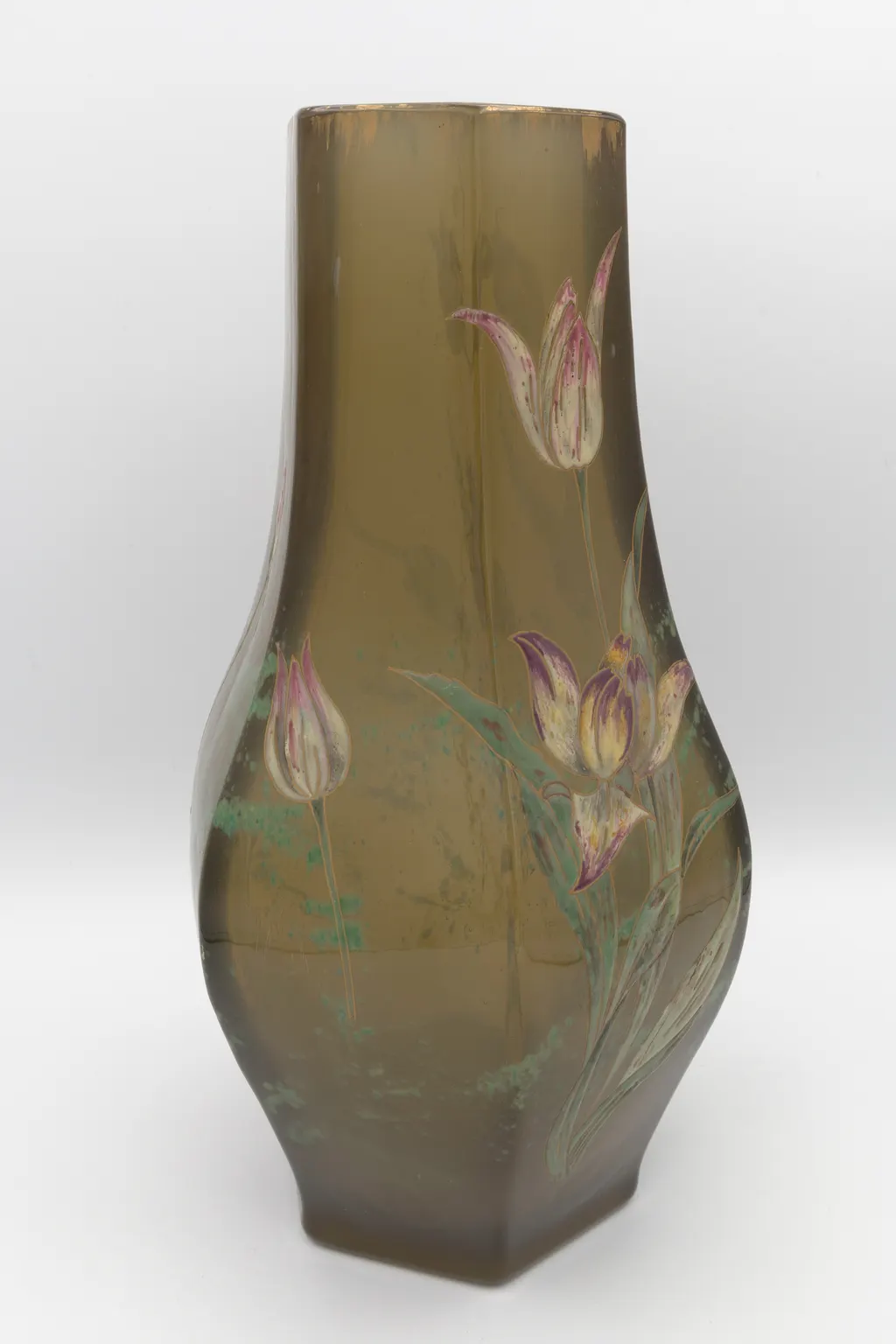
How to judge cameo and moulded glass by Gallé, Daum, Schneider and Lalique: making techniques, what signatures do and do not prove, reproductions and condition.
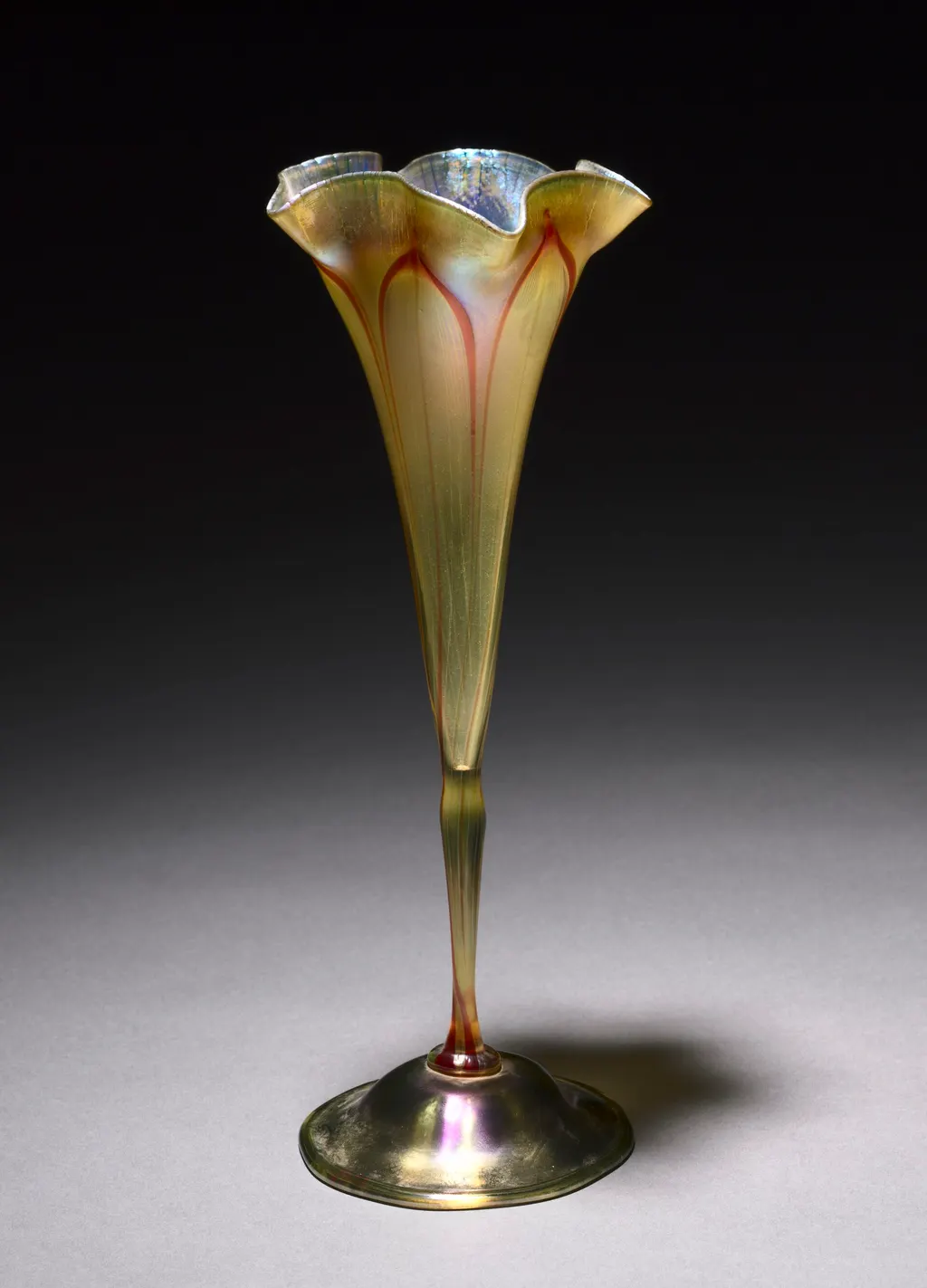
From core-formed vessels and Roman cameo glass to Venetian cristallo, Gallé, Tiffany and studio glass: how glass became an art, and what to look for.
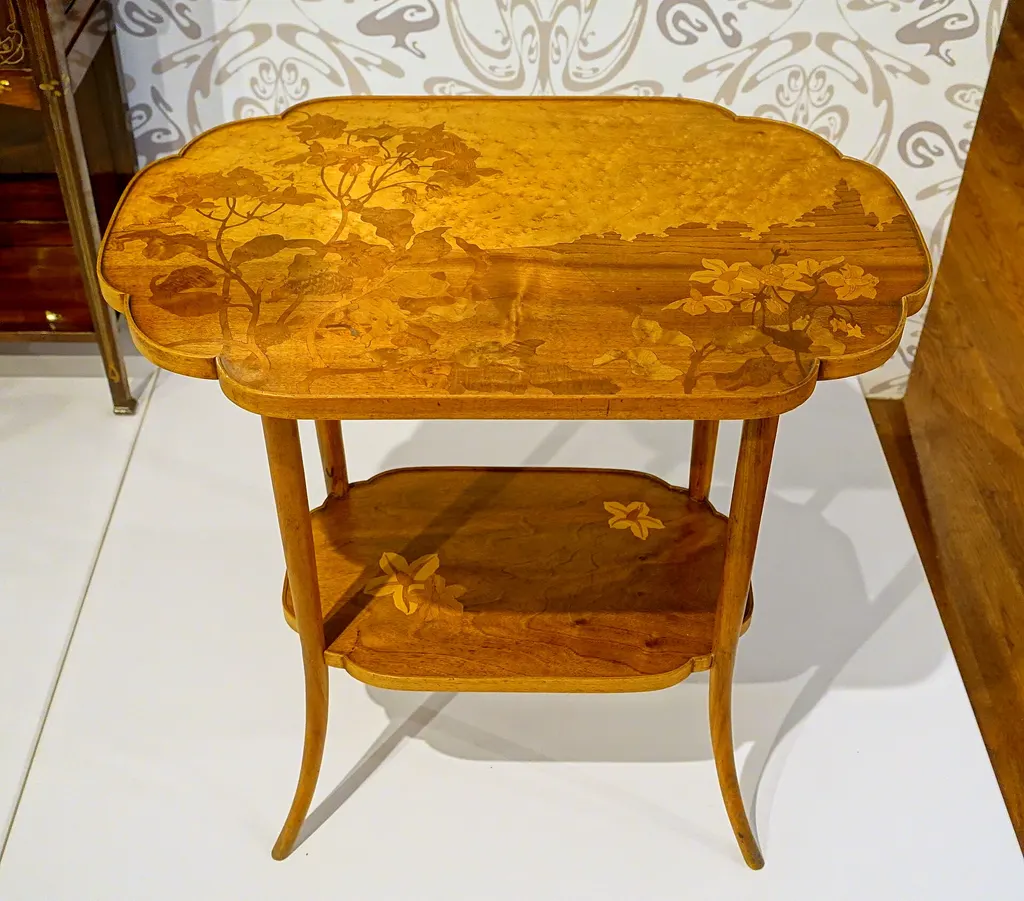
Émile Gallé's Art Nouveau marquetry furniture from Nancy: its plants, woods and inscriptions, how it was made, and how to tell period pieces from later work.
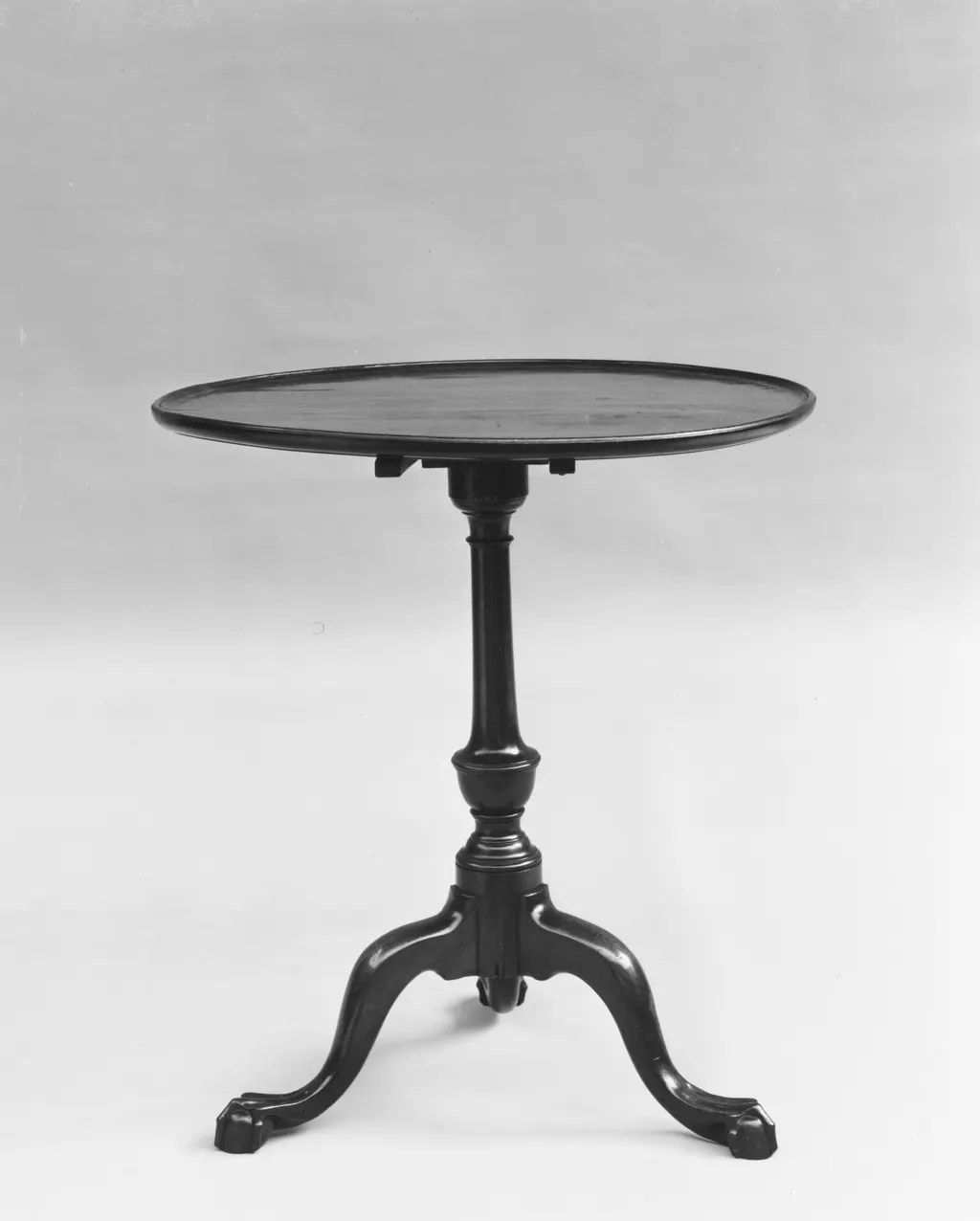
What the decorative arts are, why museums were built for them, and five questions that unlock any chair, teapot, carpet or vase you meet in a gallery or a sale.
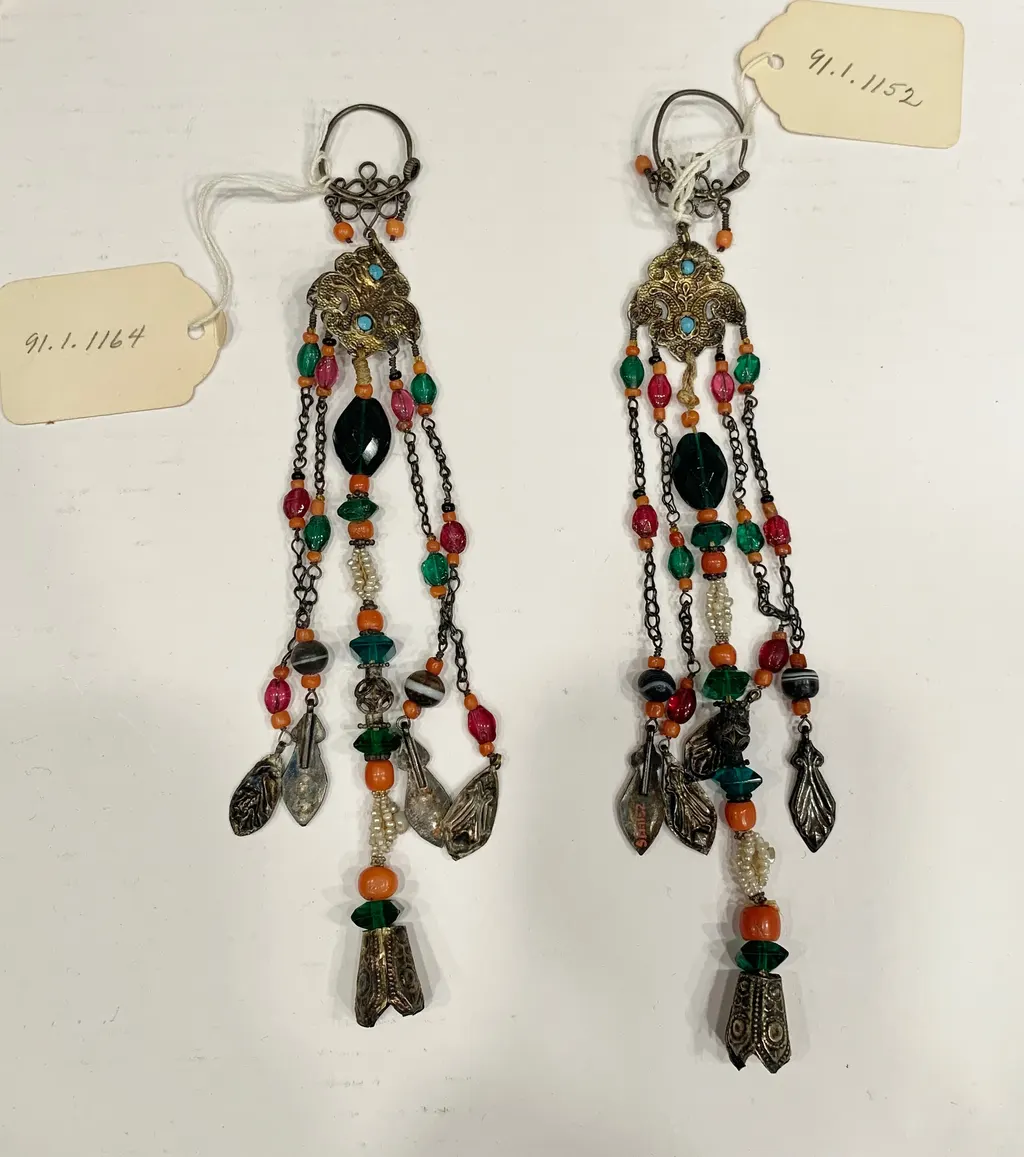
Frogs, moons and birds in the gold jewellery of Bukhara, the city's Jewish community, and how to read old jewellery symbols without over-reading them.
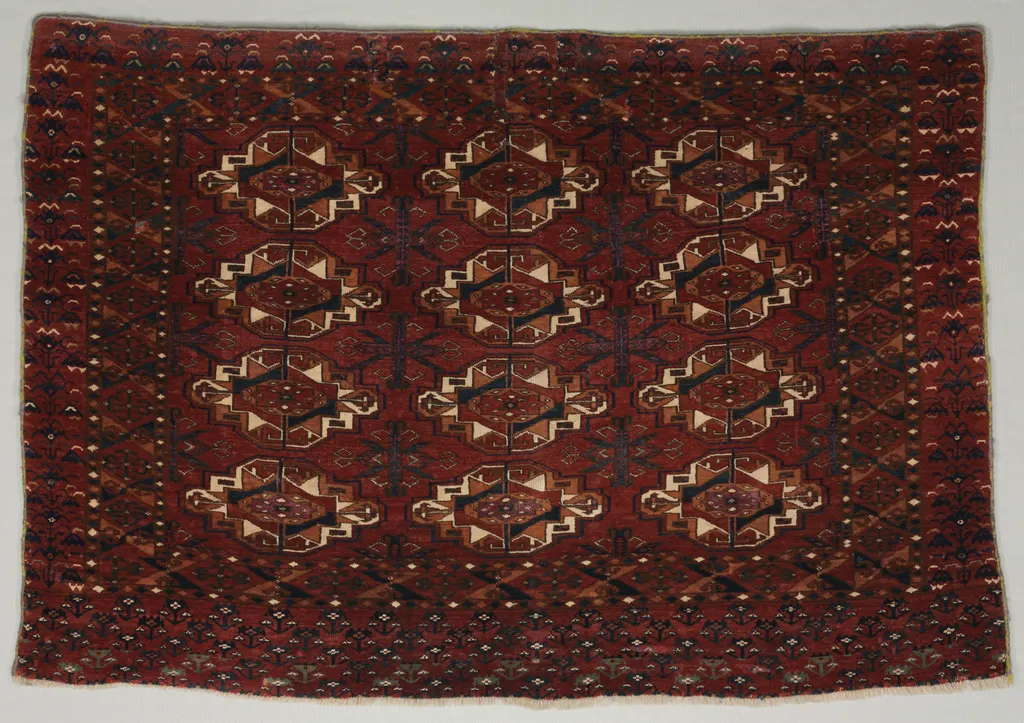
How Turkmen, Uzbek and Tajik jewellery uses moons, birds, horns and amulet cases, and what the ancient gold of Bactria can and cannot tell us about them.