Antiques and Collectibles
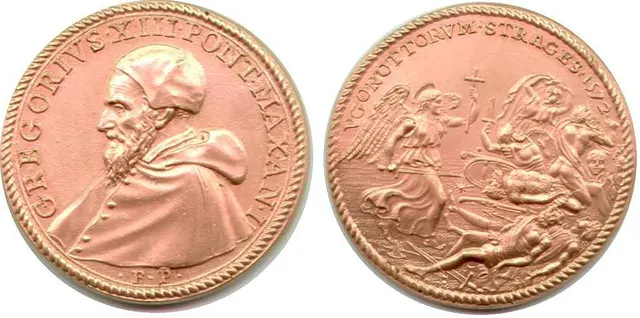
Medals of Intolerance: Propaganda in Metal
From the papal medal celebrating the 1572 massacre of Huguenots to the antisemitic 'grain Jew' medal of 1694: how medals spread religious and racial hostility.
Clocks, instruments, miniatures, medals and furniture: identifying, researching, valuing and caring for antiques responsibly.
11 articles
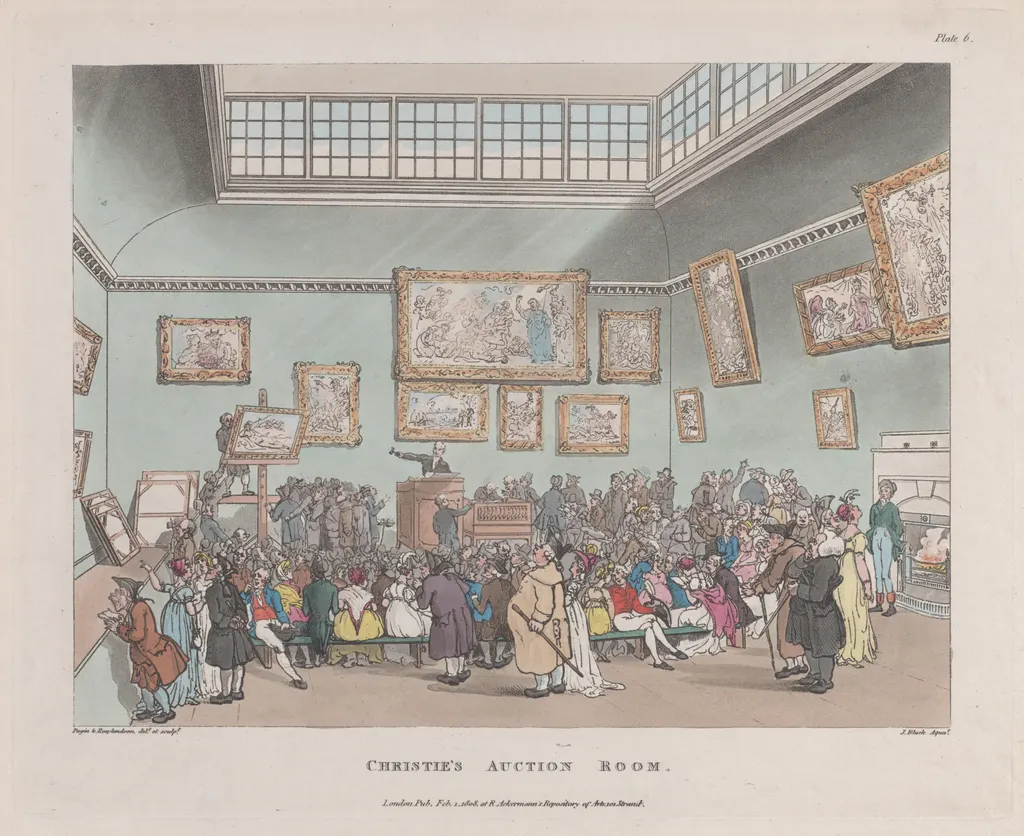
How auction records, price databases and professional appraisers work, how to read a sale result properly, and why no price guide can value your object alone.
From the papal medal celebrating the 1572 massacre of Huguenots to the antisemitic 'grain Jew' medal of 1694: how medals spread religious and racial hostility.
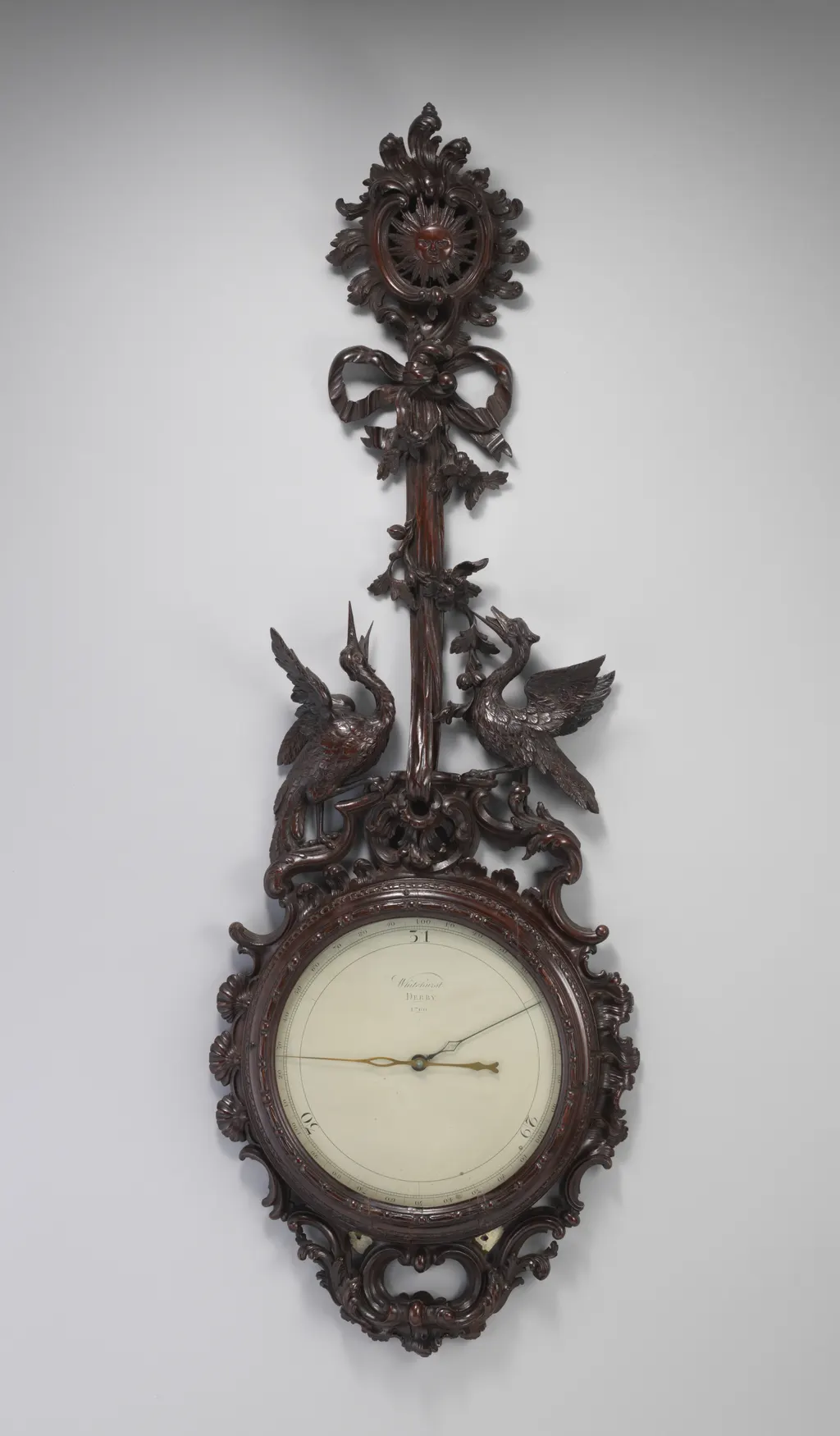
How the Edinburgh instrument maker Alexander Adie's 1818 sympiesometer used oil and gas instead of mercury, why sailors valued it, and what collectors look for.
A practical guide to the main stolen and lost art databases, from the Art Loss Register and INTERPOL's ID-Art app to the FBI and the German Lost Art database.
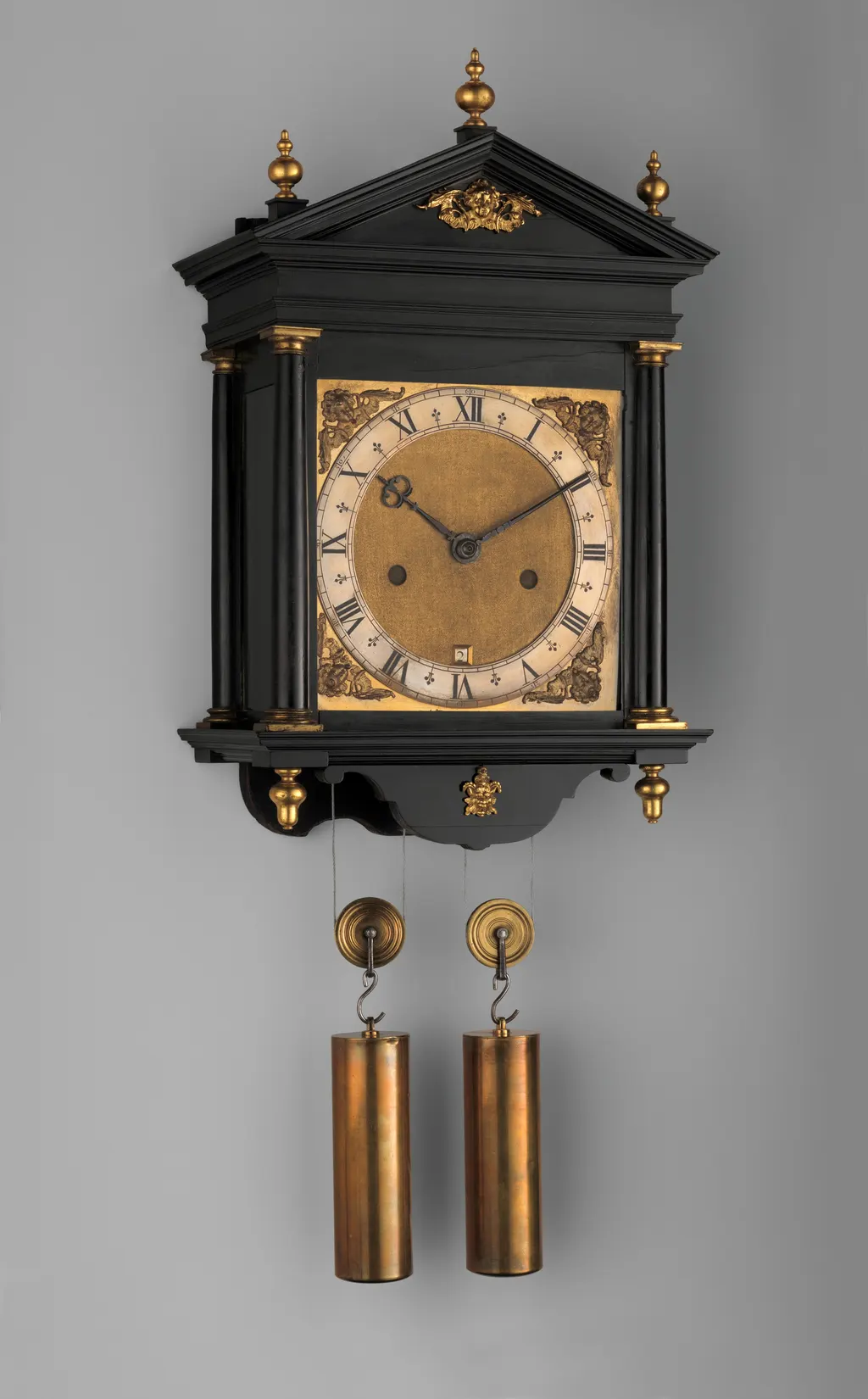
Huygens's invention, Salomon Coster's Hague clocks, Fromanteel in London and the first Paris makers: how the pendulum clock spread between 1657 and 1662.
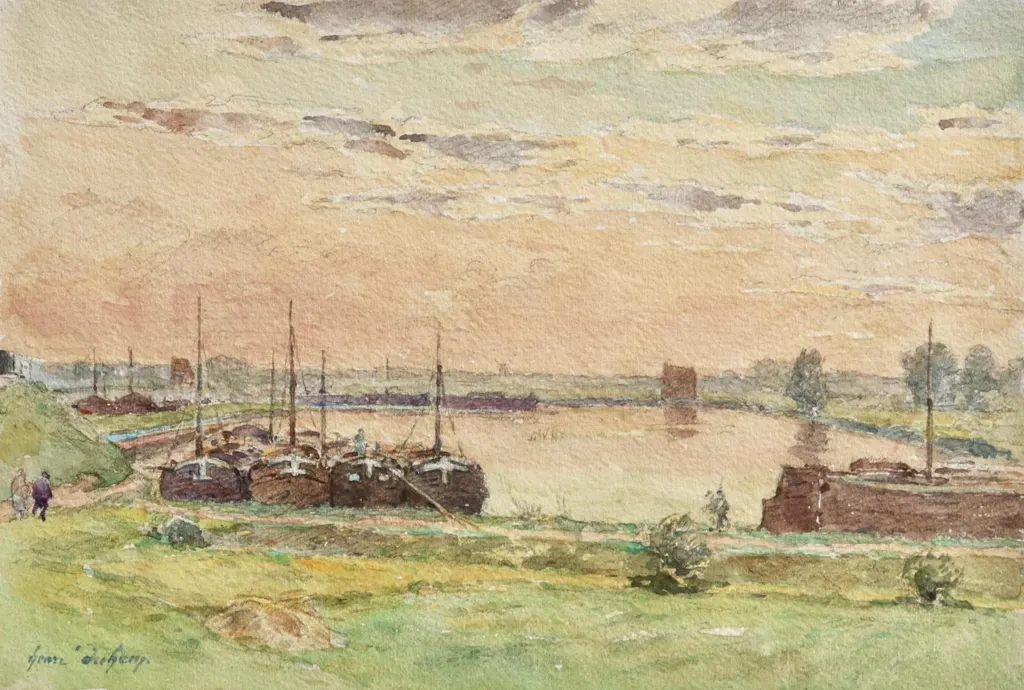
Conservation advice for art at home: light, humidity, hanging, framing works on paper, handling ceramics and silver, pests and when to call a conservator.
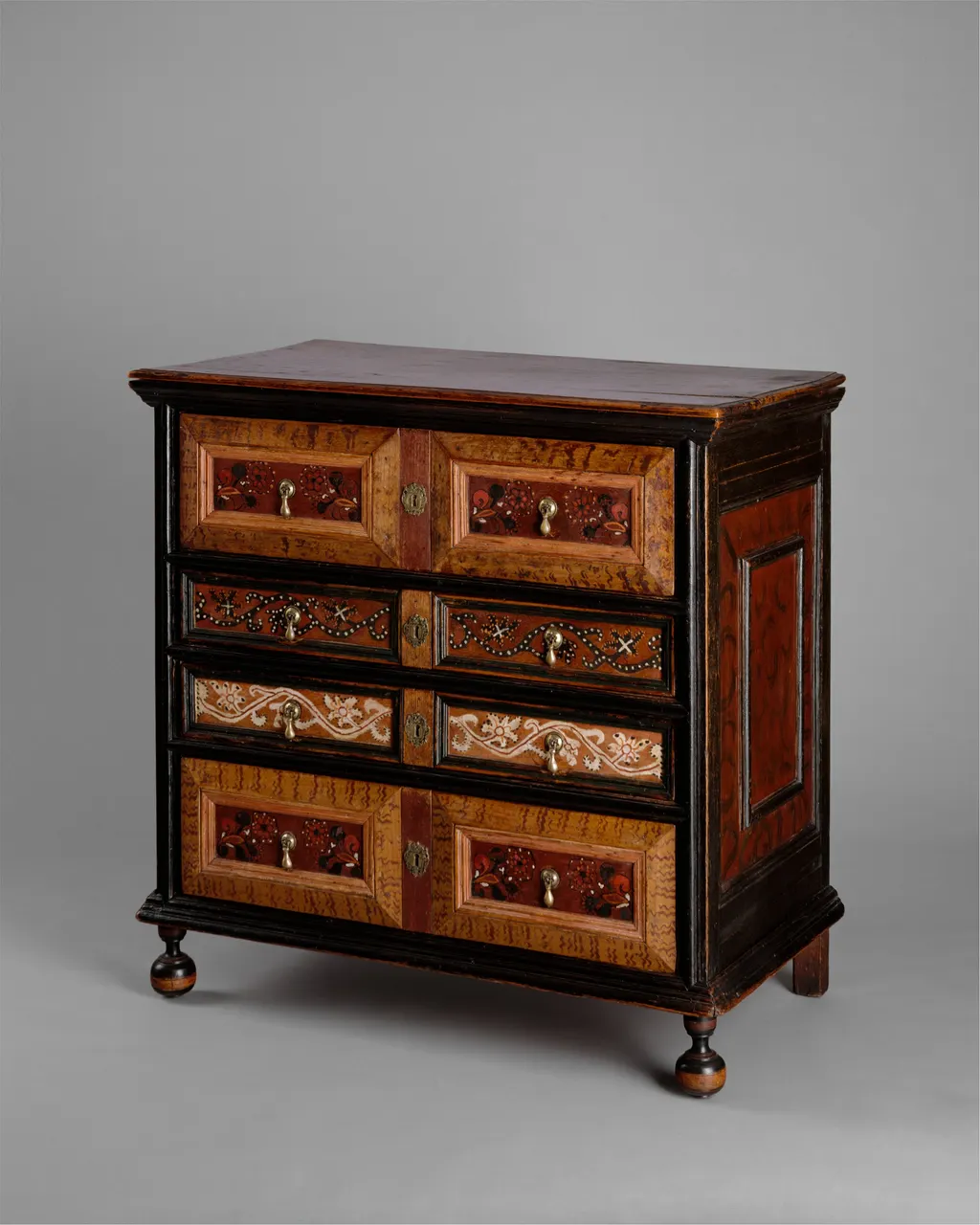
Read old furniture like a cabinetmaker: woods, dovetails, saw and plane marks, nails and screws, shrinkage, wear and style, plus signs of marriages.
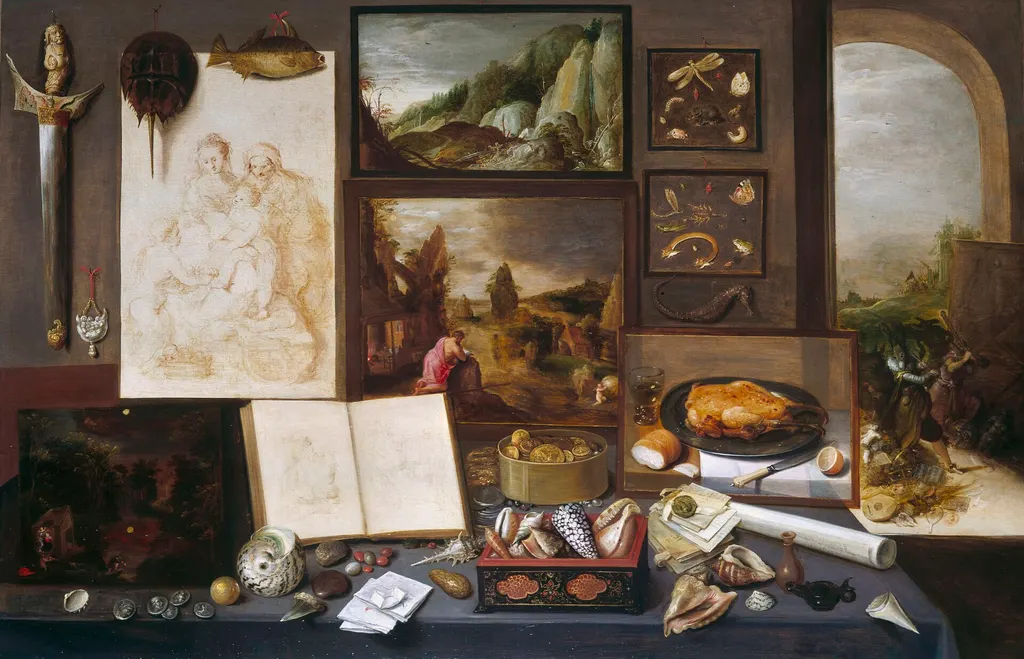
Ethical collecting in practice: provenance, stolen-art checks, antiquities and ivory rules in the UK, EU and US, money-laundering checks and paperwork.
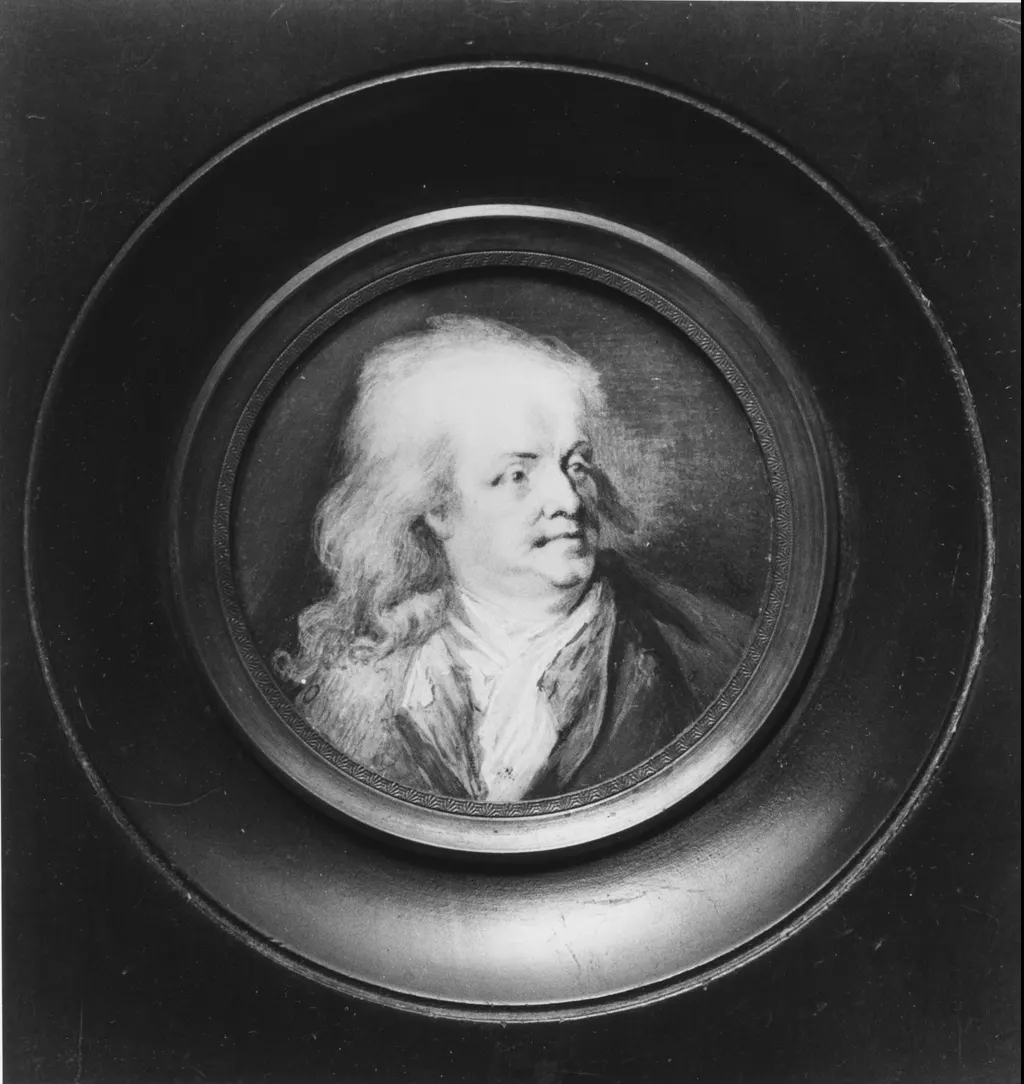
How to tell a period portrait miniature from later copies, outright fakes and printed decorative pieces, plus what UK, US and EU ivory rules mean for buyers.
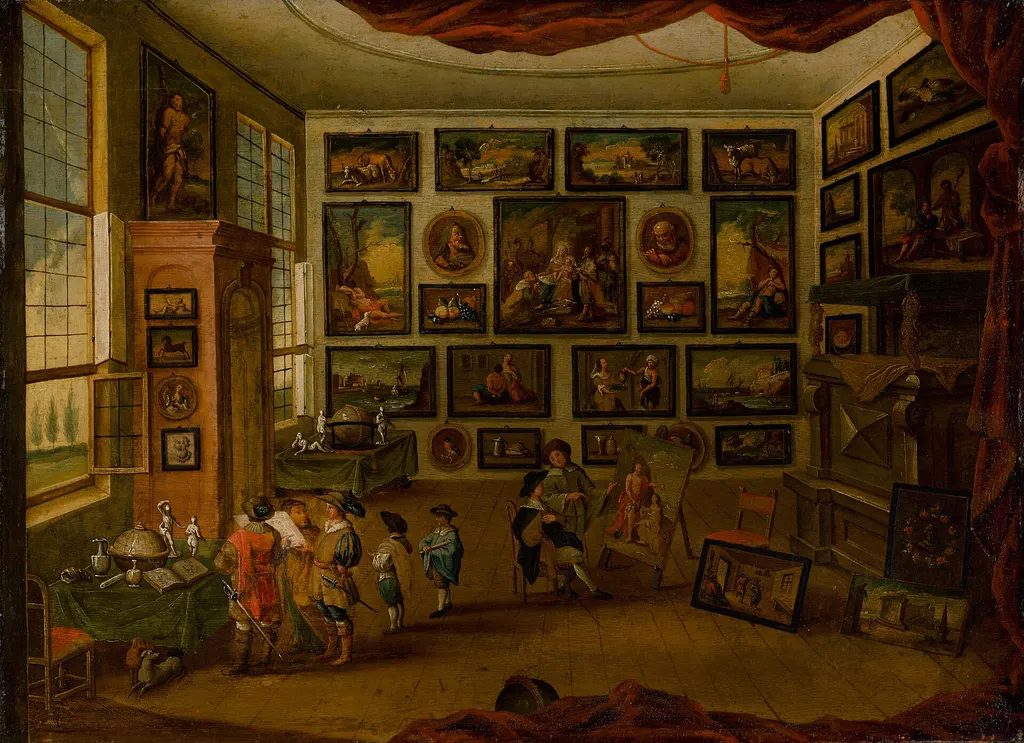
What provenance is, how museums and collectors trace it, how to read a provenance entry, and why gaps in ownership history can matter so much.
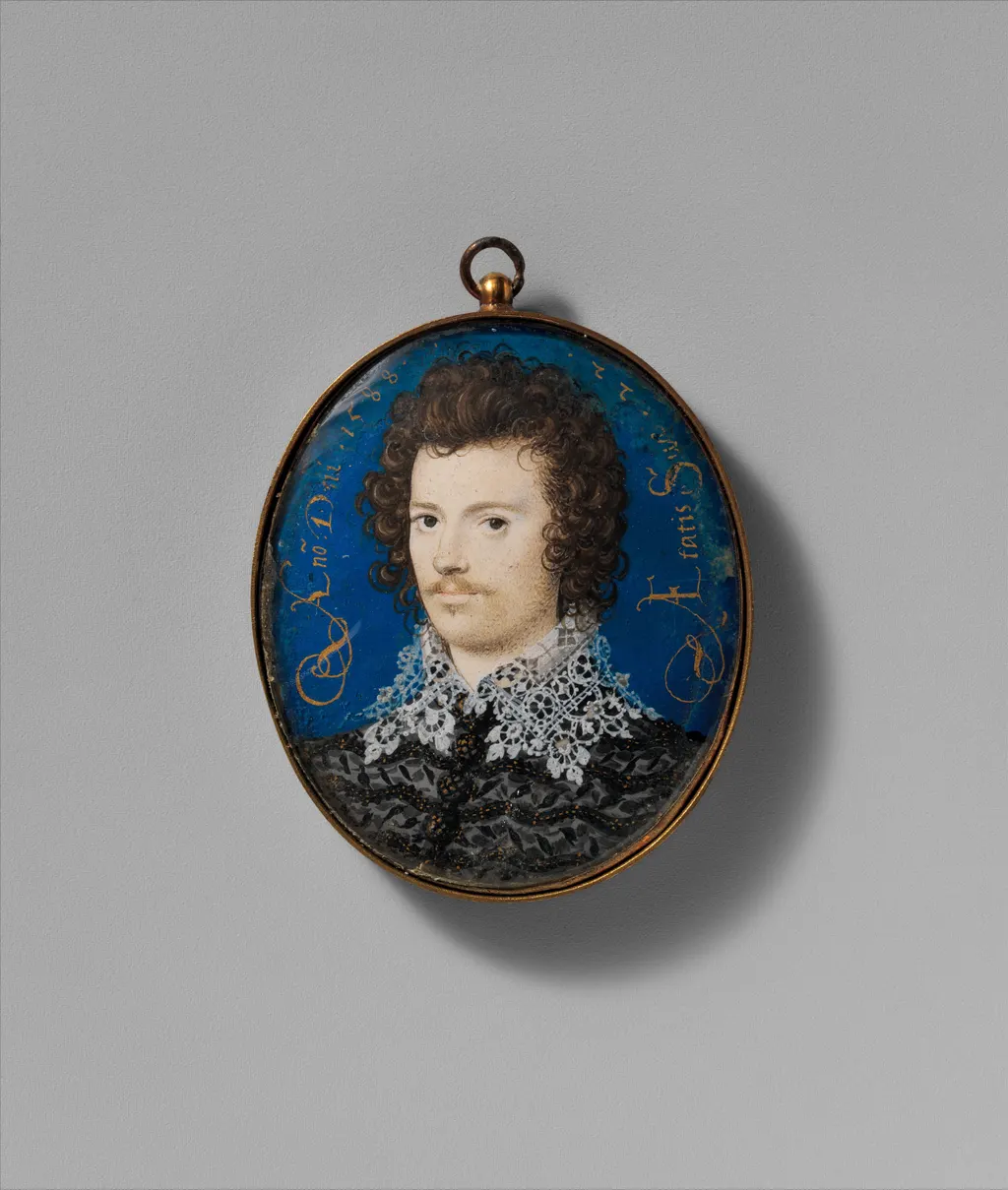
A collector's introduction to portrait miniatures from Hilliard to the Victorians: materials, key painters, how to research a sitter and how to care for them.