Copies, Fakes and Decorative Miniatures: A Collector's Guide
How to tell a period portrait miniature from later copies, outright fakes and printed decorative pieces, plus what UK, US and EU ivory rules mean for buyers.
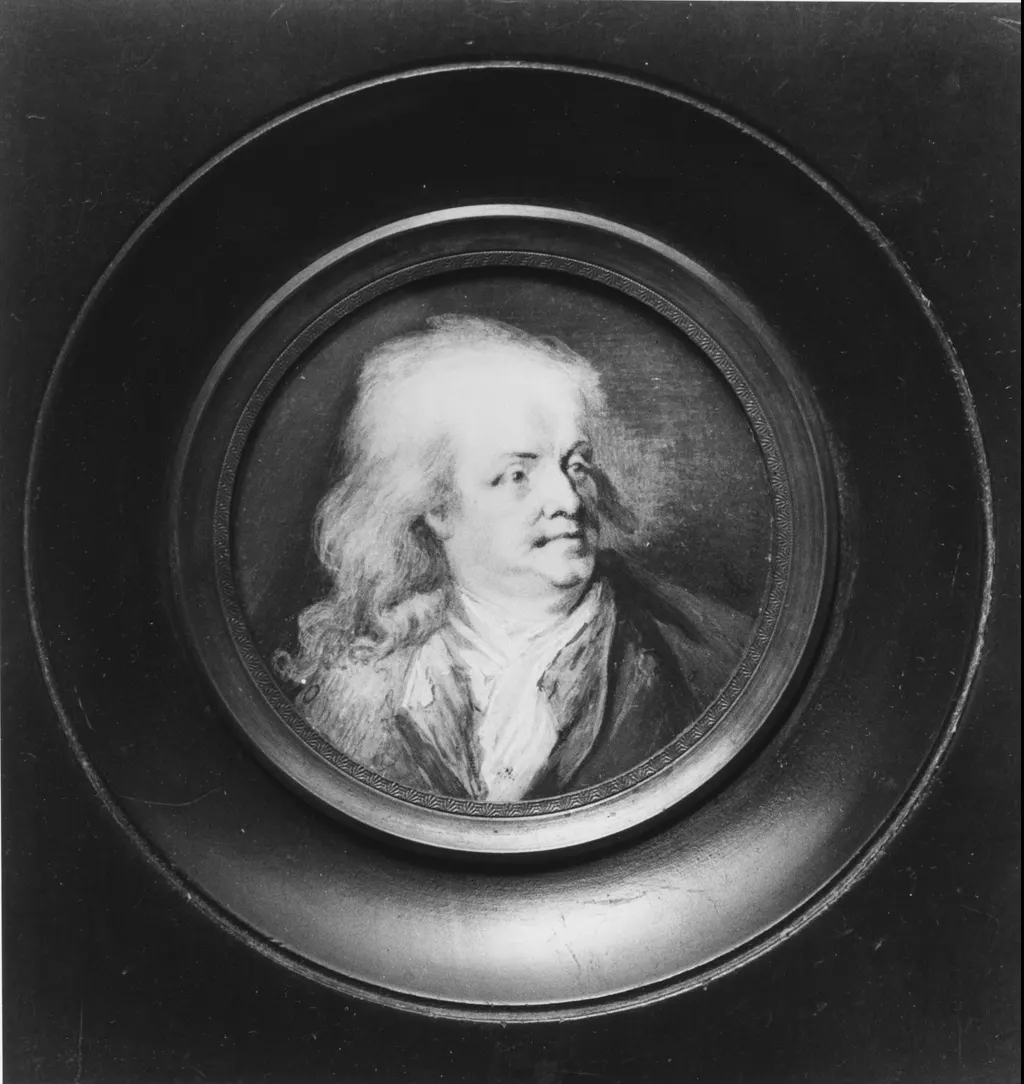
Jacques ThouronPortrait Miniature of Benjamin Franklin, 1776–1883IvoryThe Metropolitan Museum of Art, collection record. CC0 1.0 (Public Domain)
Among the thousands of portrait miniatures in the Victoria and Albert Museum is a small oval on ivory showing an unknown woman, painted at some point between about 1780 and 1820. Its catalogue entry is brief, and one line stands out: "Falsely signed". Somebody, at some stage, added a name to make it look like the work of a more famous hand. If such pieces sit in one of the world's great collections, they certainly turn up in salerooms, antique fairs and family drawers.
Portrait miniatures are small, personal and often unsigned, which makes them easy to copy and hard to research. That does not make collecting them a minefield, but it does mean learning to ask a few systematic questions. This guide sets out the main categories you will meet, the tell-tale signs of each, and the legal points that now apply to miniatures painted on ivory.
Four kinds of "miniature"
Not every small painted portrait is what it appears to be, and not every non-original is a fake. It helps to sort pieces into four groups.
| Category | What it is | Honest or not? | Typical clues |
|---|---|---|---|
| Period original | Painted from life, or for the sitter's circle, at the time suggested by the costume | Genuine | Support, technique, frame and costume all agree; sensitive, searching handling of the face |
| Period or later copy | A copy of a known portrait, often made for family members or collectors of historical sitters | Usually honest when made | Famous sitter; composition matches a known oil painting or miniature; technique of a later date than the costume |
| Fake | A piece made or altered to deceive, often with a false signature or invented sitter | Dishonest | Signature of a well-known painter on weak work; costume and technique disagree; artificially "aged" surfaces |
| Decorative miniature | Mass-market or souvenir pieces, often "beauties" after famous paintings, sometimes printed | Honest as decoration, but often misdescribed | Repeated compositions, very smooth or mechanical finish, printed dot patterns, fanciful signatures |
Copies are a normal part of the history of the miniature. The V&A notes that Bernard Lens often painted copies on vellum of old miniatures for collectors interested in historical sitters. A good copy by a known eighteenth-century hand can be a worthwhile object in its own right; the problem begins only when it is sold as something else.
Signatures: the weakest evidence
Collectors tend to look for a signature first. It is better to look at it last.
- Famous names attract forgers. Richard Cosway, John Smart, George Engleheart and other leading eighteenth-century miniaturists are among the names most often added to anonymous work.
- Many good painters rarely signed. An unsigned miniature is not a lesser one; it is simply anonymous until research says otherwise.
- Signatures and inscriptions can be added later. A name on the backing paper may record family tradition, a dealer's hopeful guess or a genuine early attribution. The V&A catalogues one miniature of an unknown woman with a pen inscription suggesting it was painted by Edith Smart, John Smart's wife, but presents that as a possibility, not a fact.
- Compare like with like. Check any signature against documented examples in museum collections and in the standard dictionaries of miniature painters, paying attention to its form, placement and the medium it is written in.
A signature that is crisper, darker or more confident than the painting around it, or that sits on top of surface dirt and old varnish rather than within the paint, deserves suspicion.
Printed, photographic and over-painted pieces
From the later nineteenth century onwards, large numbers of small portraits were produced for the decorative market. Some are fully hand-painted; others start from a print or photograph that has been coloured by hand.
- Use a loupe. At ten times magnification, hand-painted miniatures show irregular stippling and hatching that follow the forms of the face. Printed images often show a regular pattern of dots or lines, the same density in the background as in the face.
- Look at edges. Printed outlines may be slightly out of register with the colour laid on top, so that colour spills over a line or stops short of it.
- Check for repetition. If you have seen the same "lady in a feathered hat" or the same famous sitter in an identical pose several times, you are probably looking at a commercial product.
- Note the subject. Miniatures after famous paintings by artists such as Joshua Reynolds or Élisabeth Vigée Le Brun, or of celebrated historical beauties and royalty, were especially popular as decoration.
None of this makes decorative miniatures worthless. Many are attractive, well framed and honestly priced. The point is to pay for what the object is.
Supports and frames
The material under the paint, and the frame around it, often reveal more than the picture itself.
Ivory and its imitations. True ivory is slightly translucent and may show a faint natural grain when held to the light. From the later nineteenth century, celluloid and other plastics ("ivorine") were used as cheaper substitutes. They may show too-regular striations, an unnaturally even translucency or a slight waxy look. If in doubt, a specialist can test the material without damage.
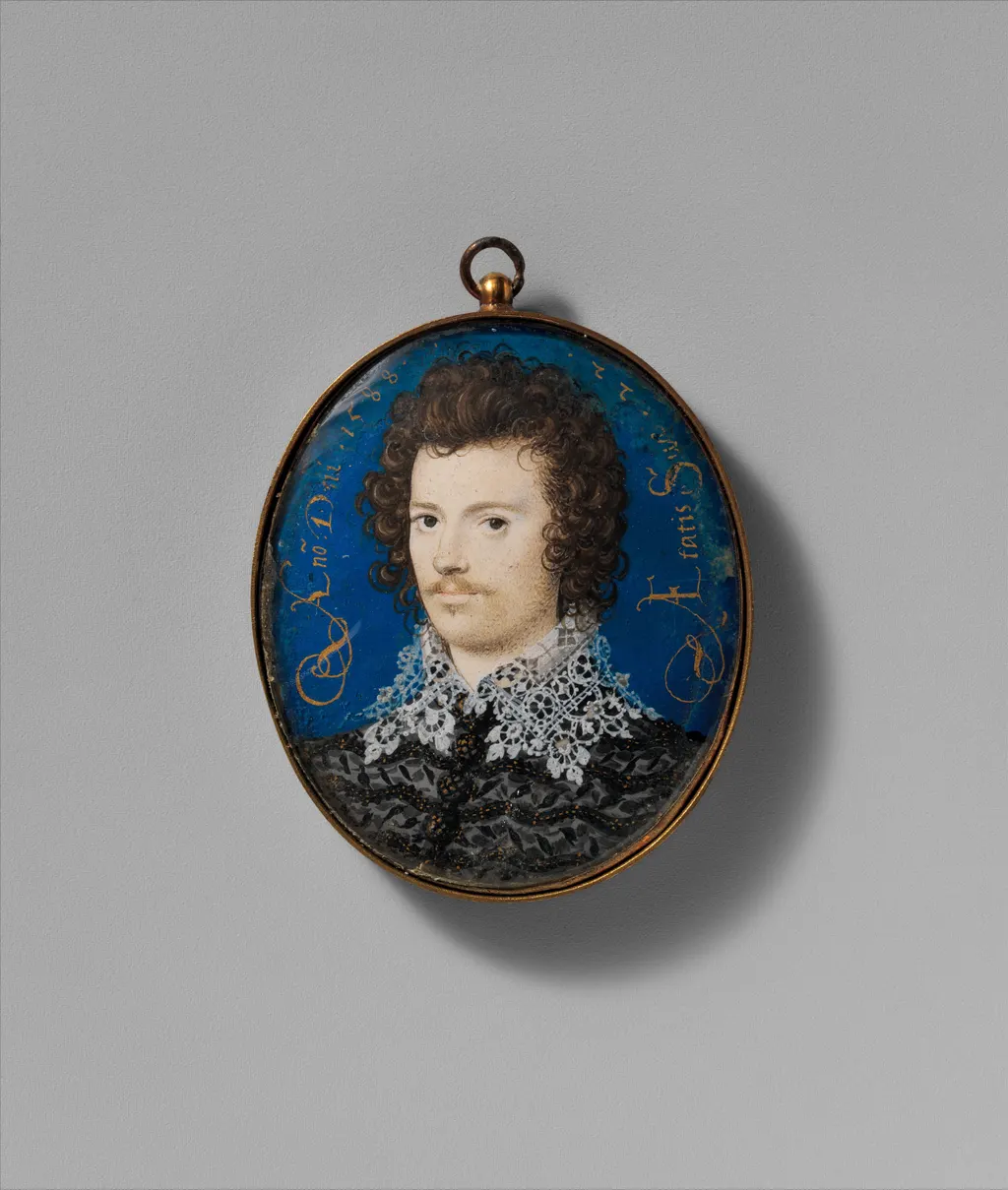
Vellum, card and paper. Early miniatures were painted on vellum stuck to card. A "Tudor" portrait on ivory, or on modern card, is either a later copy or a fake.
Backs and backing papers. Old miniatures were often backed with card, playing cards, newspaper or later papers. Fresh, clean backings on a supposedly old piece may simply mean reframing, but should prompt questions.
Frames. Gold or gilt lockets with hair on the reverse, turned boxes and leather cases are all period types, but a good frame can be reused for a later picture. Check that the miniature fits its frame snugly, that the glass is of a suitable age and that the fixing at the back has not been obviously disturbed.
Ivory: what the law now says
Many eighteenth- and nineteenth-century miniatures were painted on ivory, so collectors need to know the rules where they live.
- United Kingdom. The Ivory Act 2018 came into force on 6 June 2022. Dealing in ivory items is banned unless an exemption applies. Portrait miniatures made before 1918, with a surface area of no more than 320 square centimetres (frame excluded), can be sold only after registration with the government's ivory service. Larger or exceptional items may qualify for an exemption certificate. Dealing without an exemption can be punished by a fine of up to £250,000 or up to five years' imprisonment.
- United States. Federal rules introduced in 2016 restrict commercial trade in African elephant ivory, with narrow exceptions such as qualifying antiques at least 100 years old. Several states, including New York, New Jersey and California, have stricter laws of their own.
- European Union. Since early 2022 the EU has further tightened its rules on trade in antique worked ivory, including requirements for certificates in many cases.
Rules change, and they differ for buying, selling, importing and exporting. Check the current official guidance before any transaction, and keep paperwork with the miniature. Wider questions of ethics and documentation are covered in our guide to collecting art responsibly.
A buyer's checklist
Before you buy, run through these questions:
- Does the costume match the technique and support?
- Is the face painted with the same quality and care as the rest, or is it weaker?
- Does the signature look integral to the painting, and does it match documented examples?
- Under a loupe, is the surface hand-painted throughout, or are there signs of print?
- Is the frame original to the picture, or has it been reused?
- Is there any documented history of ownership? Our explainer on provenance shows what to ask for.
- If the miniature is on ivory, is it registered or otherwise compliant with the law where it is being sold?
- Is the price consistent with what the seller is prepared to put in writing about attribution?
For the history of the art form, the main painters and how to trace an unnamed sitter, read our companion article on collecting and researching portrait miniatures. When a miniature joins your collection, the advice on light and humidity in caring for art at home will help it last. More guides are collected under antiques and collectibles.
Sources
- Portrait miniature of an unknown woman (catalogued as falsely signed), c. 1780–1820, Victoria and Albert Museum
- Portrait Miniature of Richard Whitmore aged 3, Bernard Lens III, 1718, Victoria and Albert Museum
- Portrait miniature of an unknown woman, possibly by Edith Smart, c. 1760–65, Victoria and Albert Museum
- Portrait miniatures (enamel miniatures and how miniatures were worn), Victoria and Albert Museum
- Dealing in items containing ivory or made of ivory, GOV.UK