Art History
Ten Famous Paintings and the Stories Behind Them
From a Song dynasty scroll to Guernica, ten celebrated paintings and the documented stories of how they were made, lost, altered, stolen or rediscovered.
How art has been made, used and understood, from the medieval workshop to the modern museum, told through specific works and documents.
11 articles
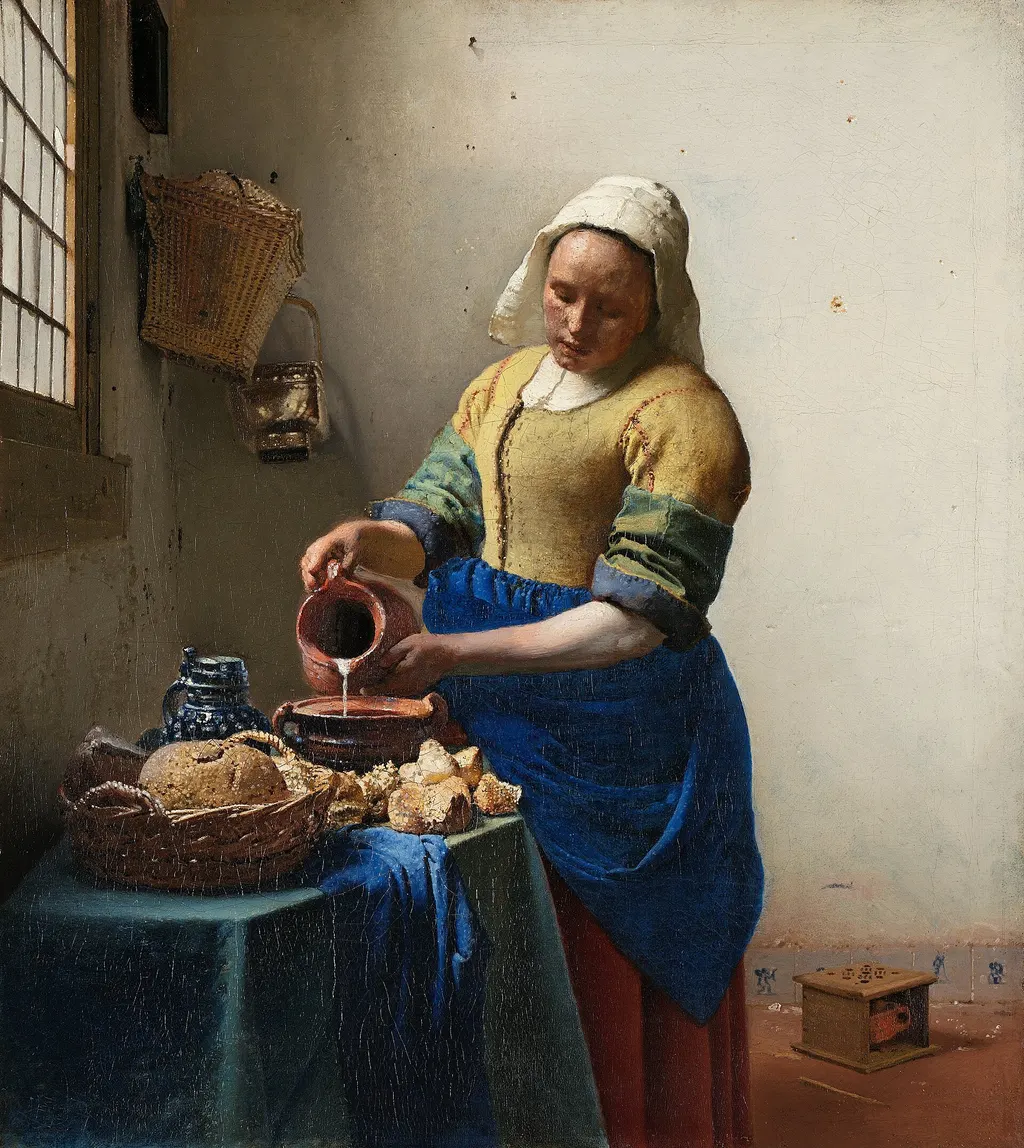
Why the seventeenth-century Dutch Republic produced so many paintings, the genres it specialised in, the artists to know, and how to look at their work.
From a Song dynasty scroll to Guernica, ten celebrated paintings and the documented stories of how they were made, lost, altered, stolen or rediscovered.
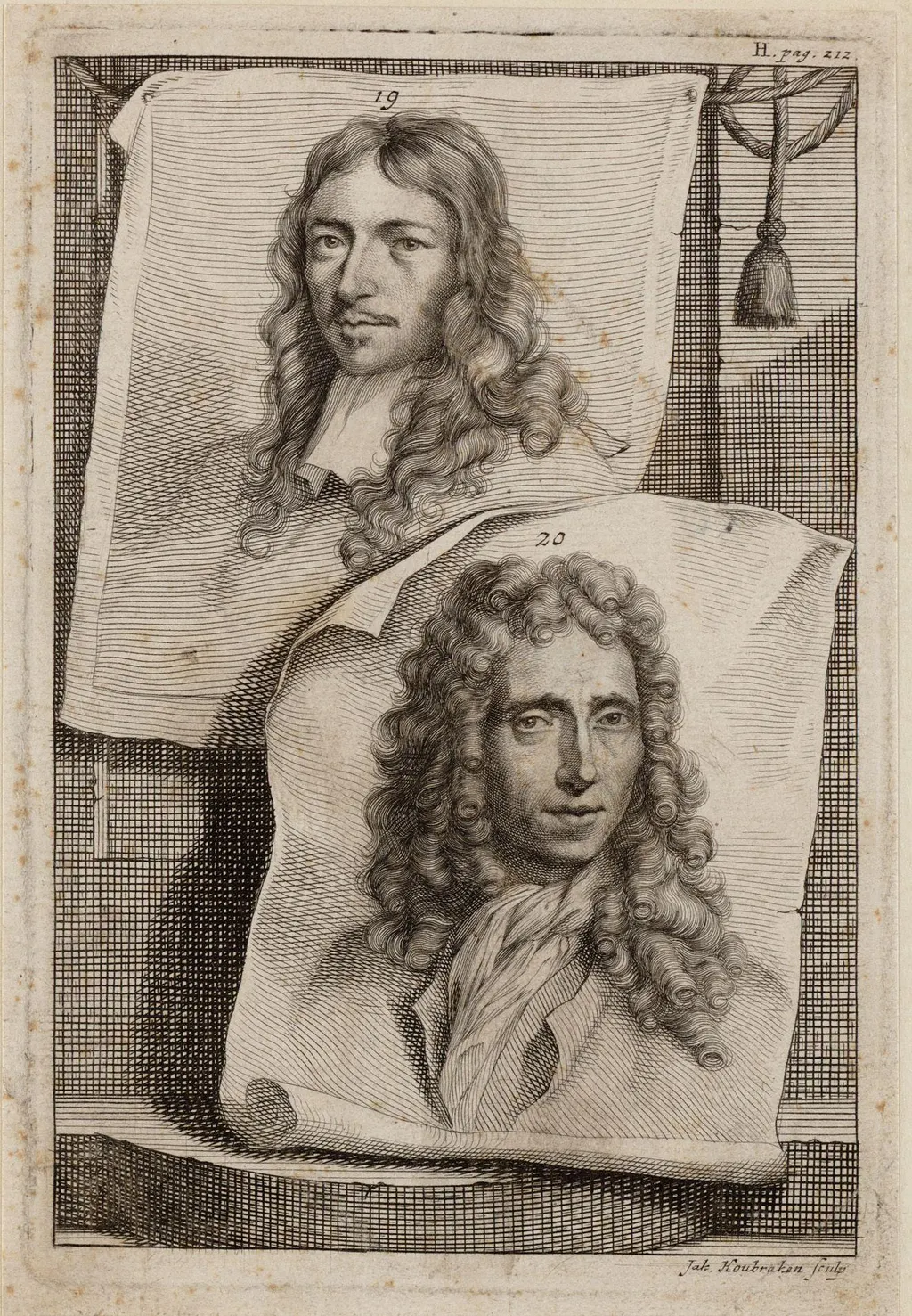
Arnold Houbraken's Groote Schouburgh (1718–21) holds the best-known stories about Dutch painters. What it tells us, where it errs, and how to read it now.
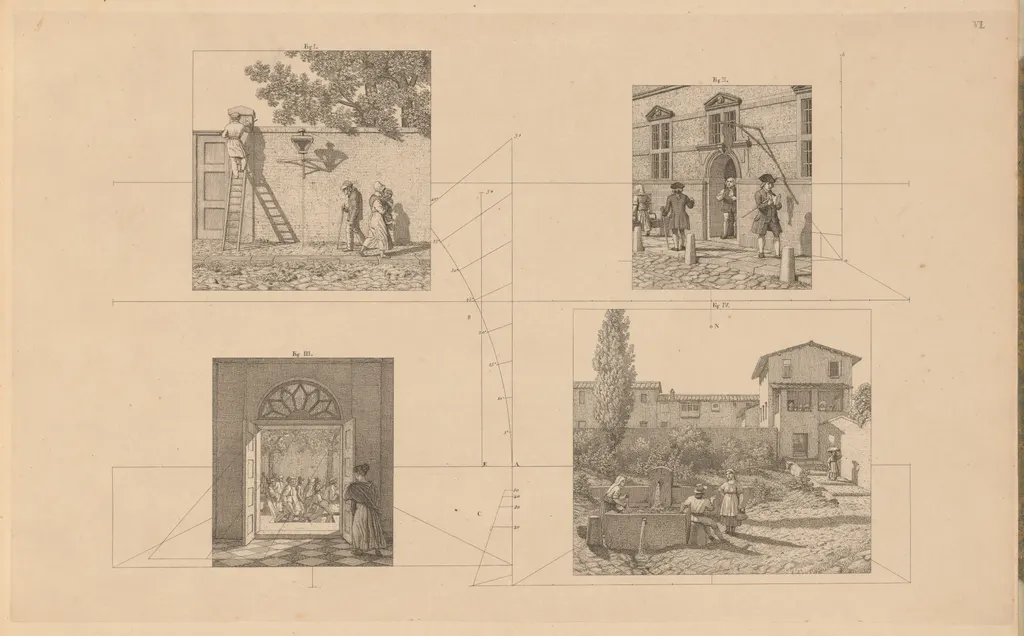
A clear guide to the major Western art movements from the Renaissance to Pop Art: when they happened, what they valued, and the artists and works to know.
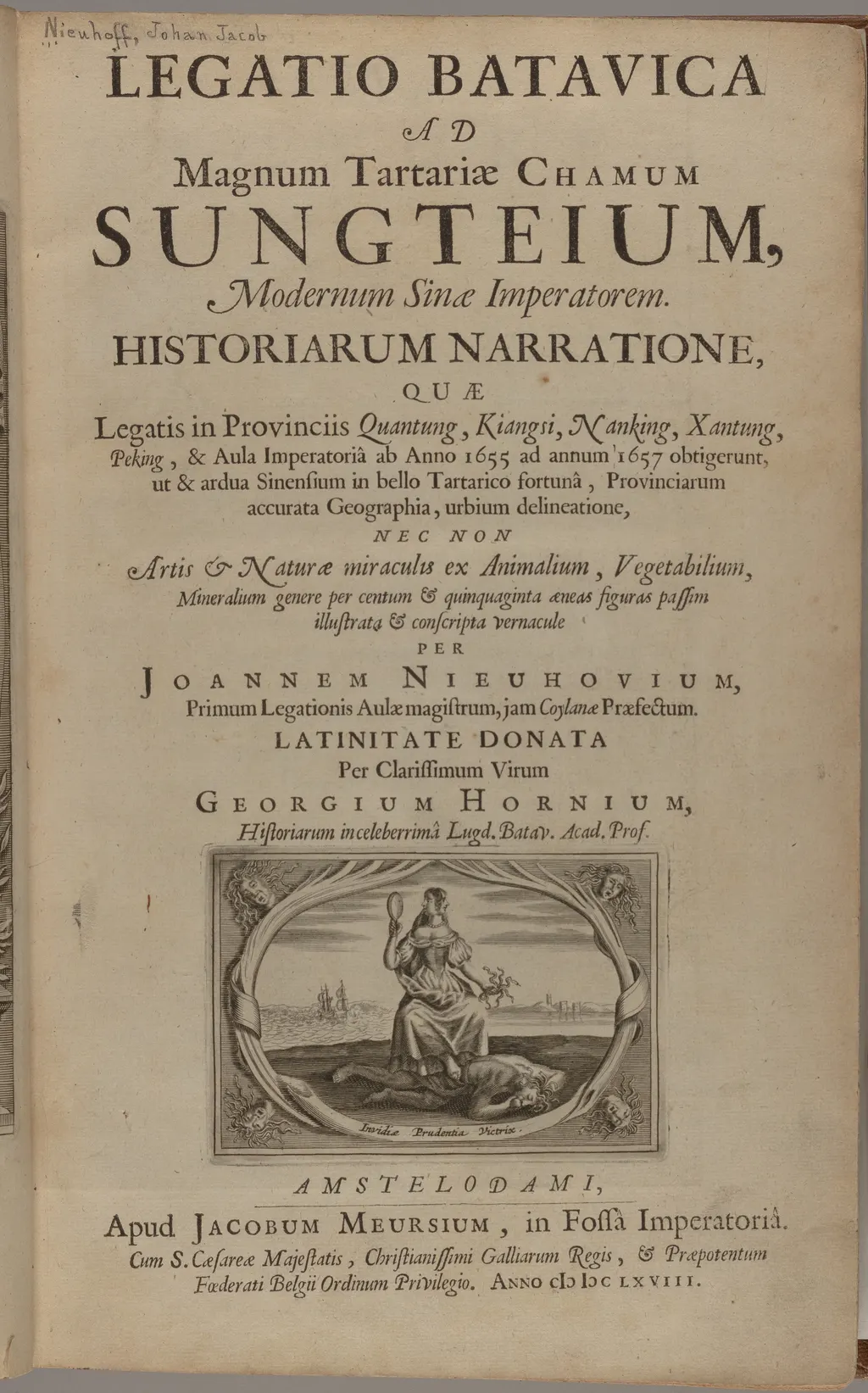
How a steward on the Dutch East India Company's embassy to Beijing in 1655–57 drew China, and how his illustrated book of 1665 shaped Europe's chinoiserie.
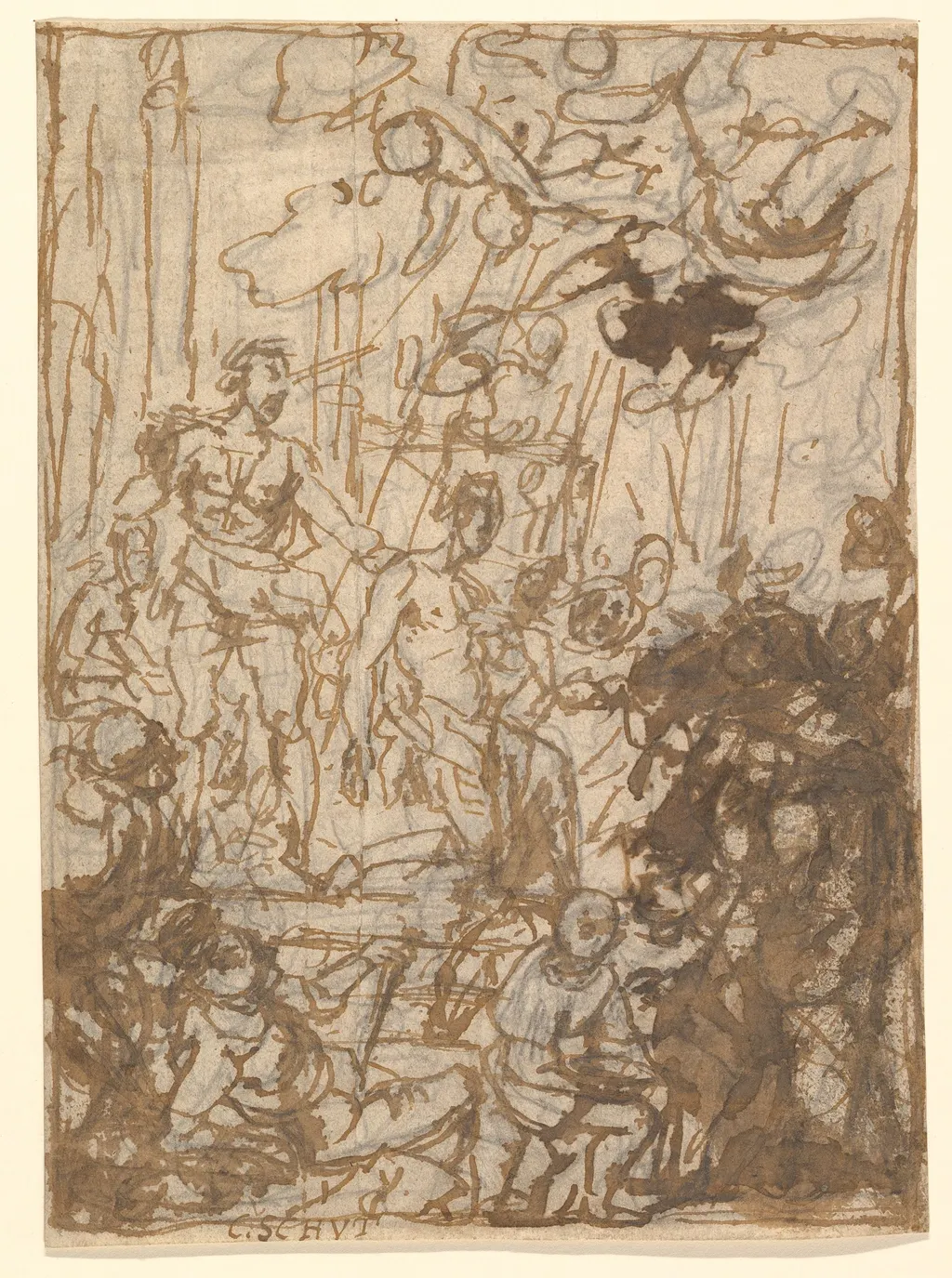
Antwerp painter Cornelis Schut joined the Bentvueghels in Rome, painted frescoes at Frascati and came home to become a leading altarpiece painter after Rubens.
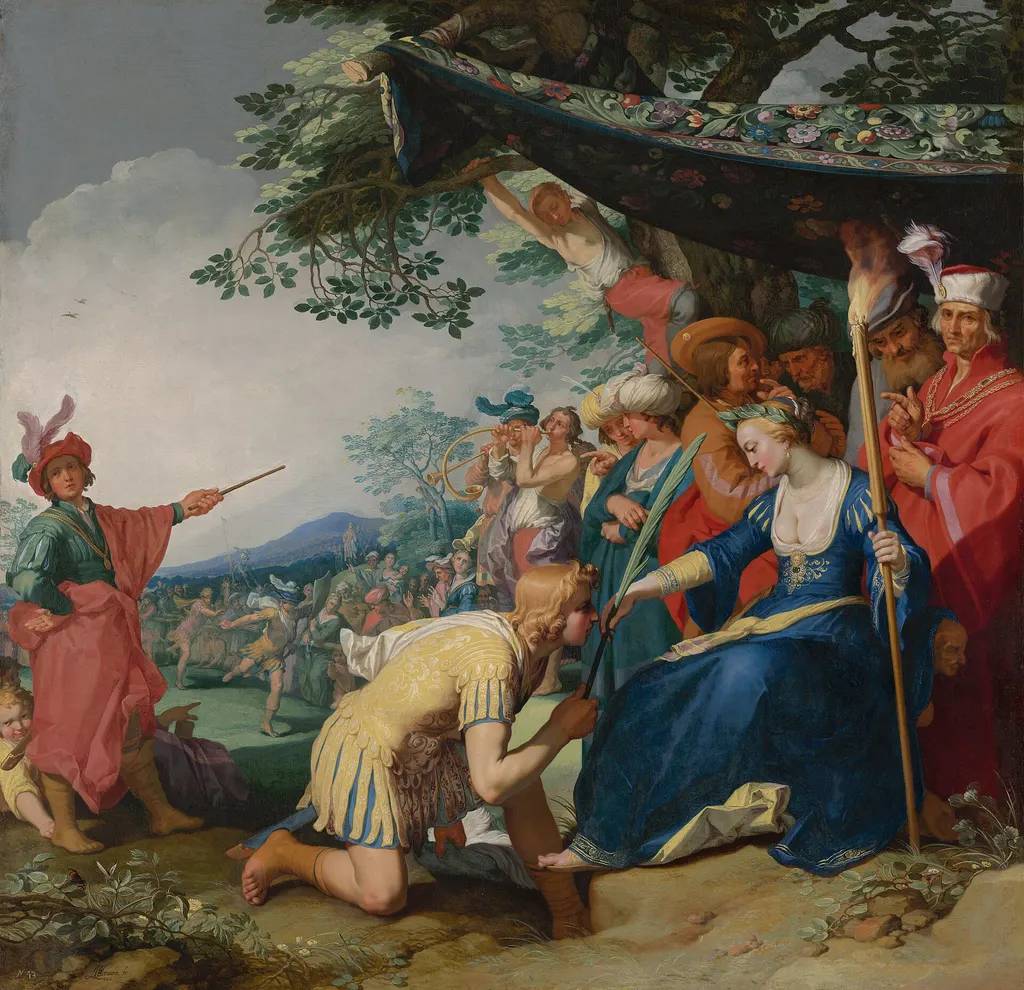
How an ancient Greek novel of love, pirates and recognition reached the court of Frederik Hendrik, and the three canvases Abraham Bloemaert painted from it.
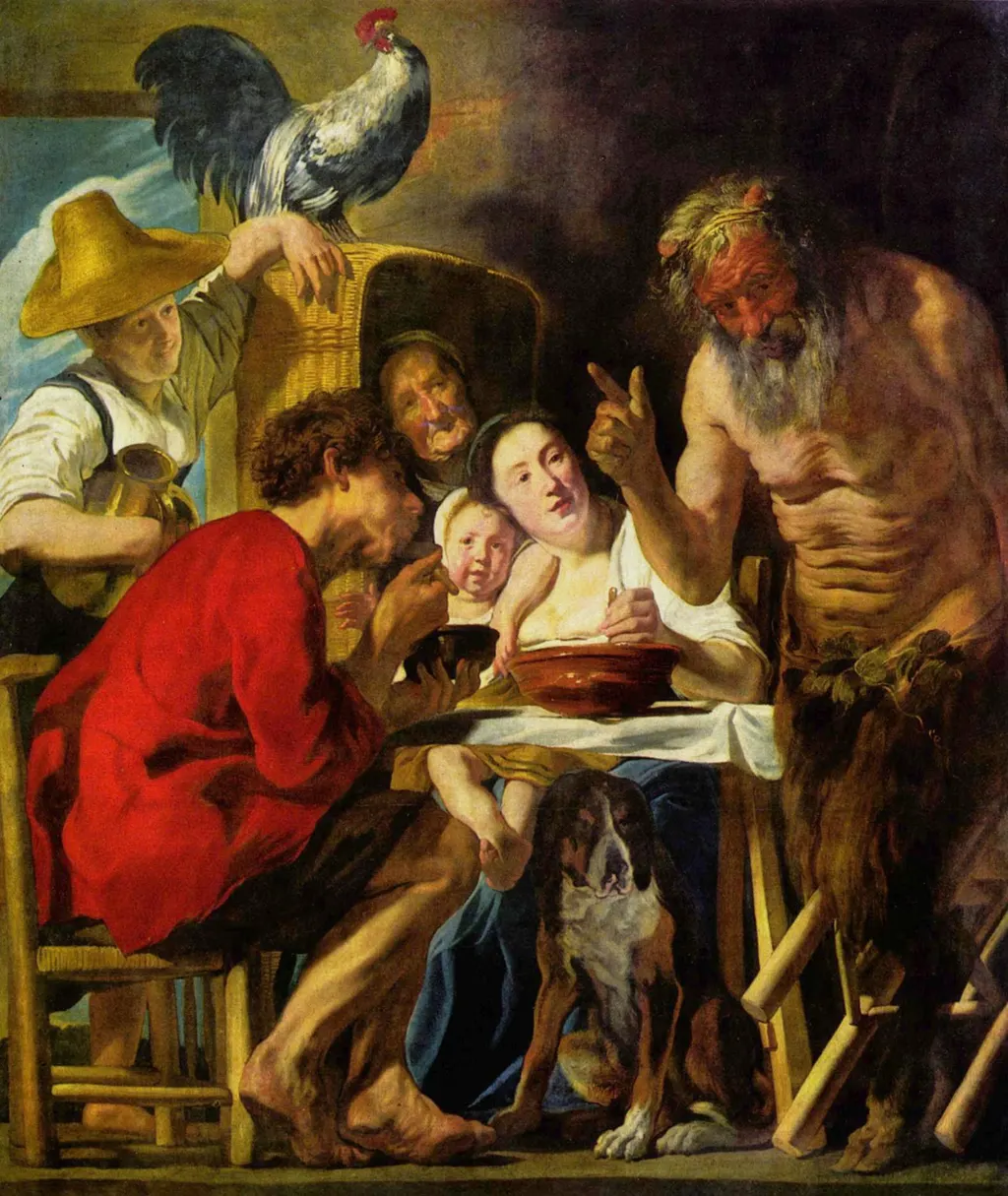
How the Antwerp painter Jacob Jordaens drew on Aesop, Ovid and Philostratus, and how one Mauritshuis canvas changed its subject from Marsyas to Pan.
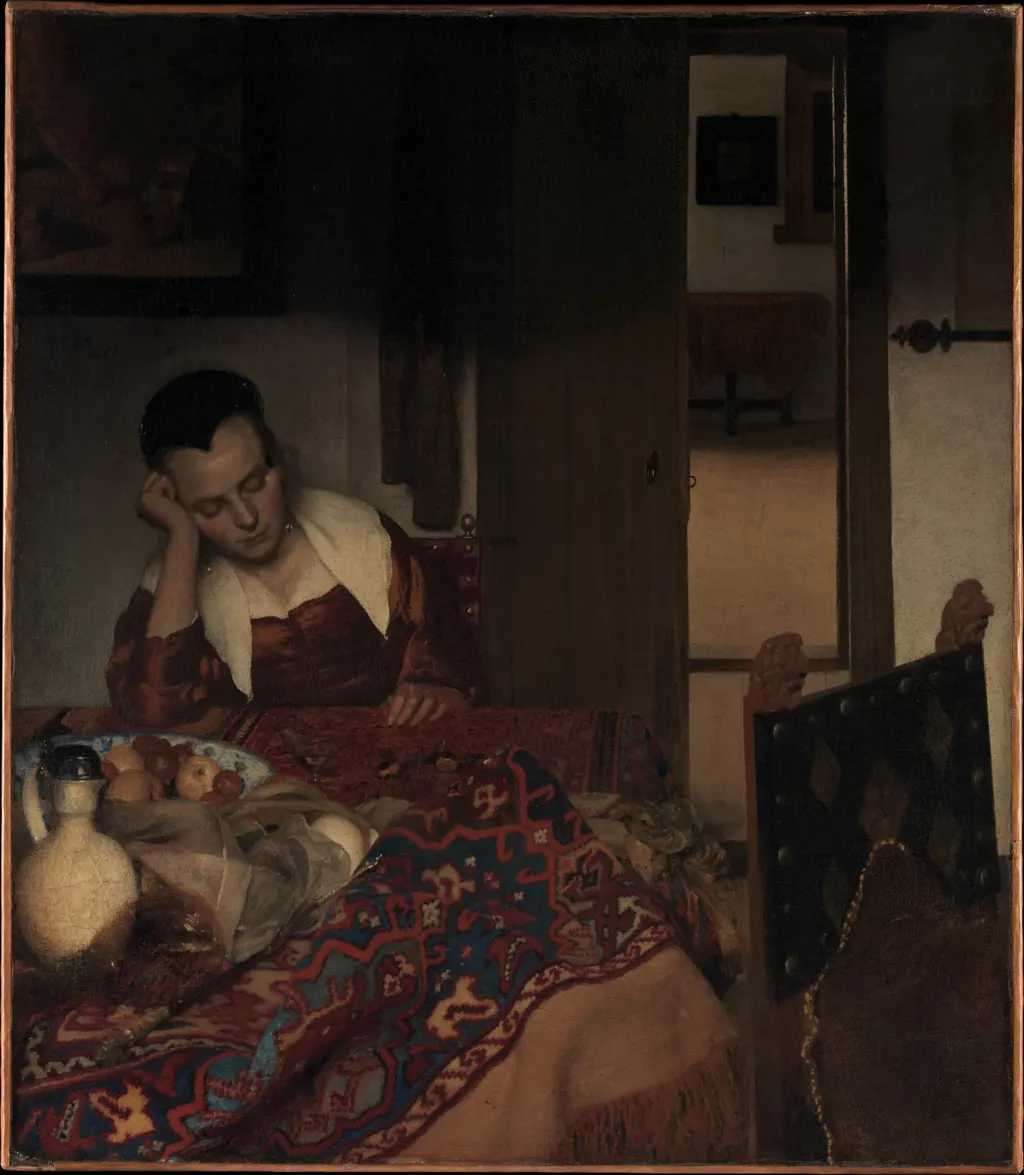
Vermeer's Delft through the archives: his family, the Guild of St Luke, patrons Pieter van Ruijven and Maria de Knuijt, and the painters who worked around him.
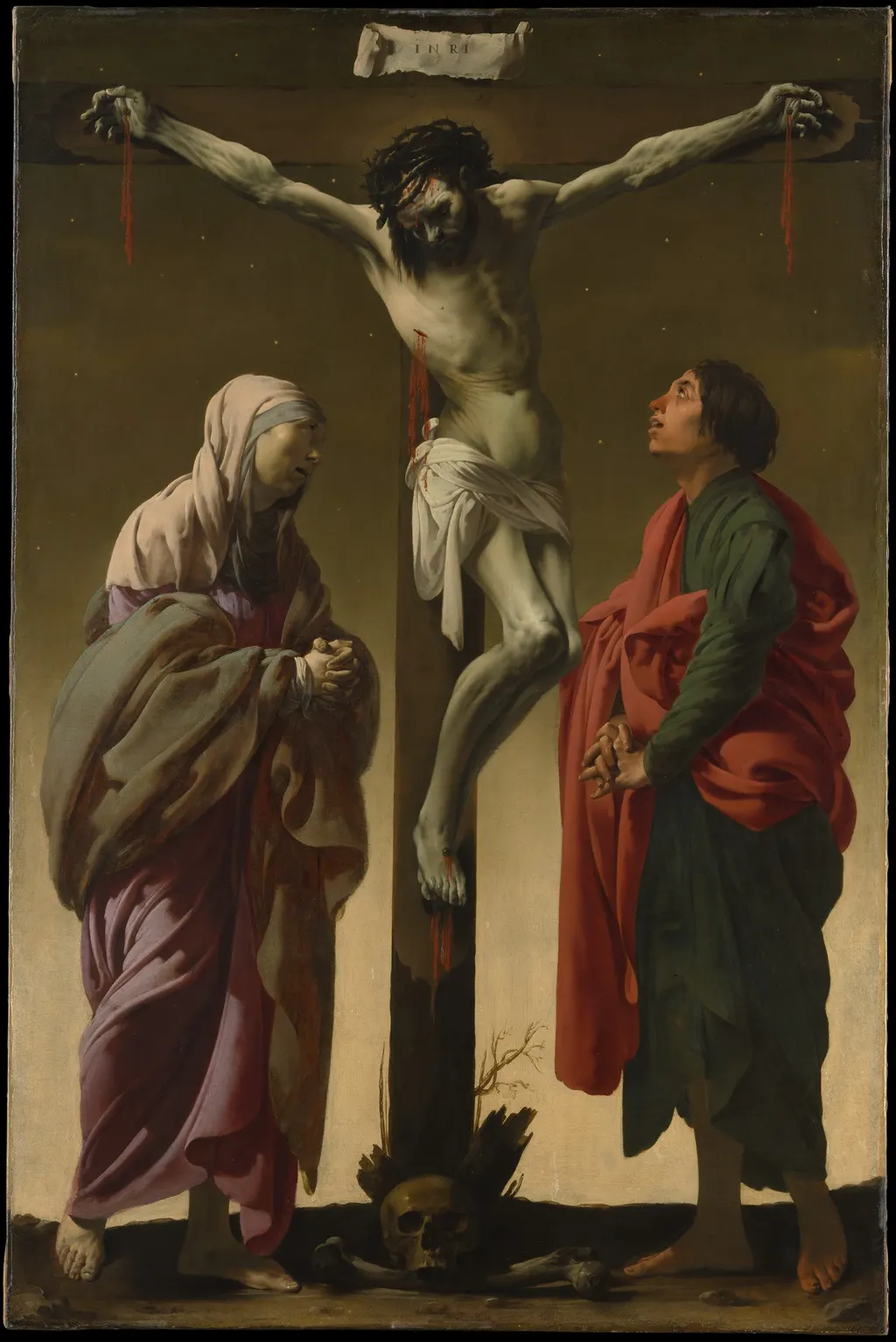
The Utrecht Caravaggist Hendrick ter Brugghen, the long debate over a second Italian journey, and what early writers Cornelis de Bie and Houbraken recorded.
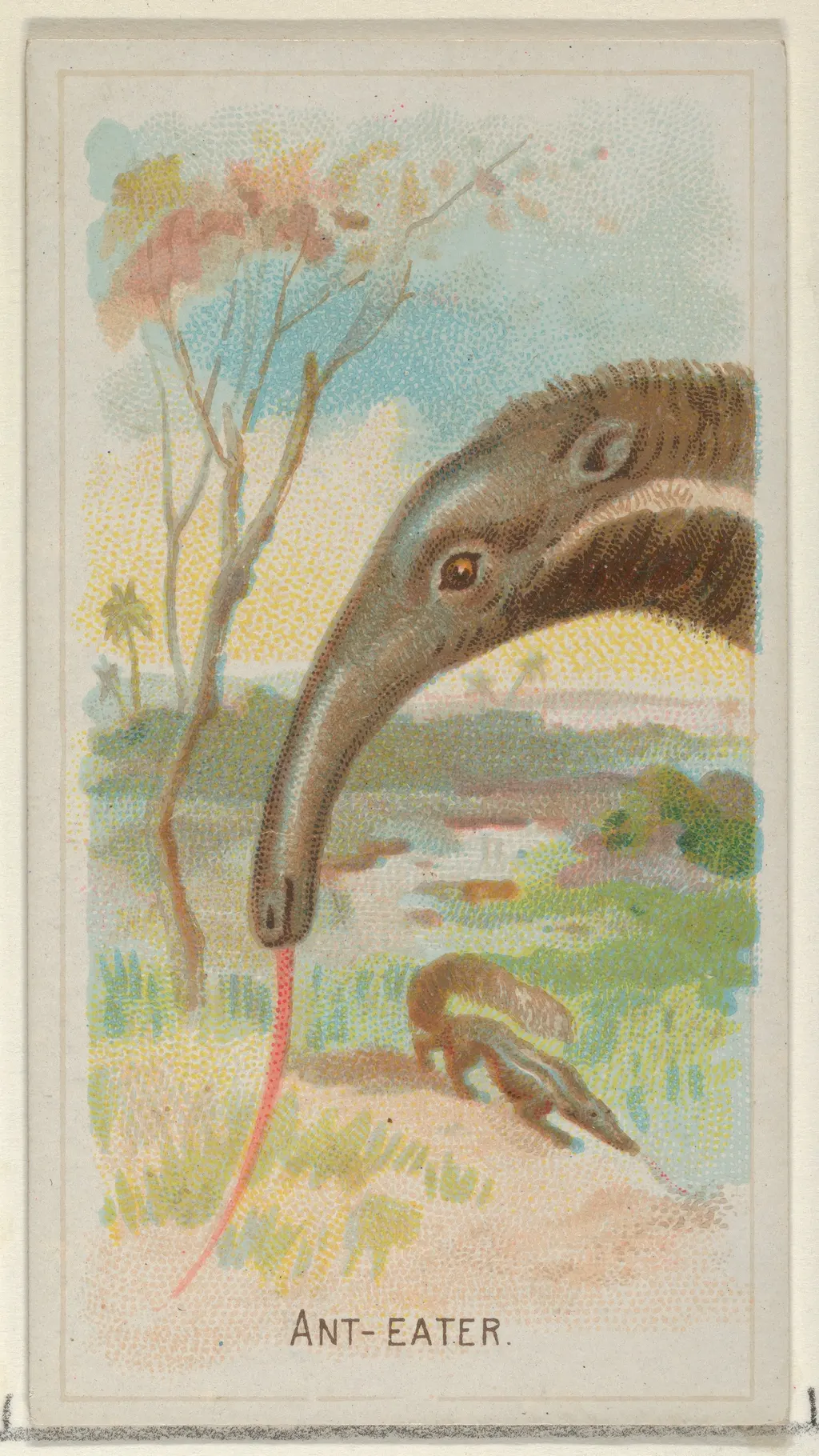
The life-size portrait of a giant anteater sent to Charles III in 1776, kept in Madrid's natural science museum, and the debate over whether Goya painted it.