Art Appreciation
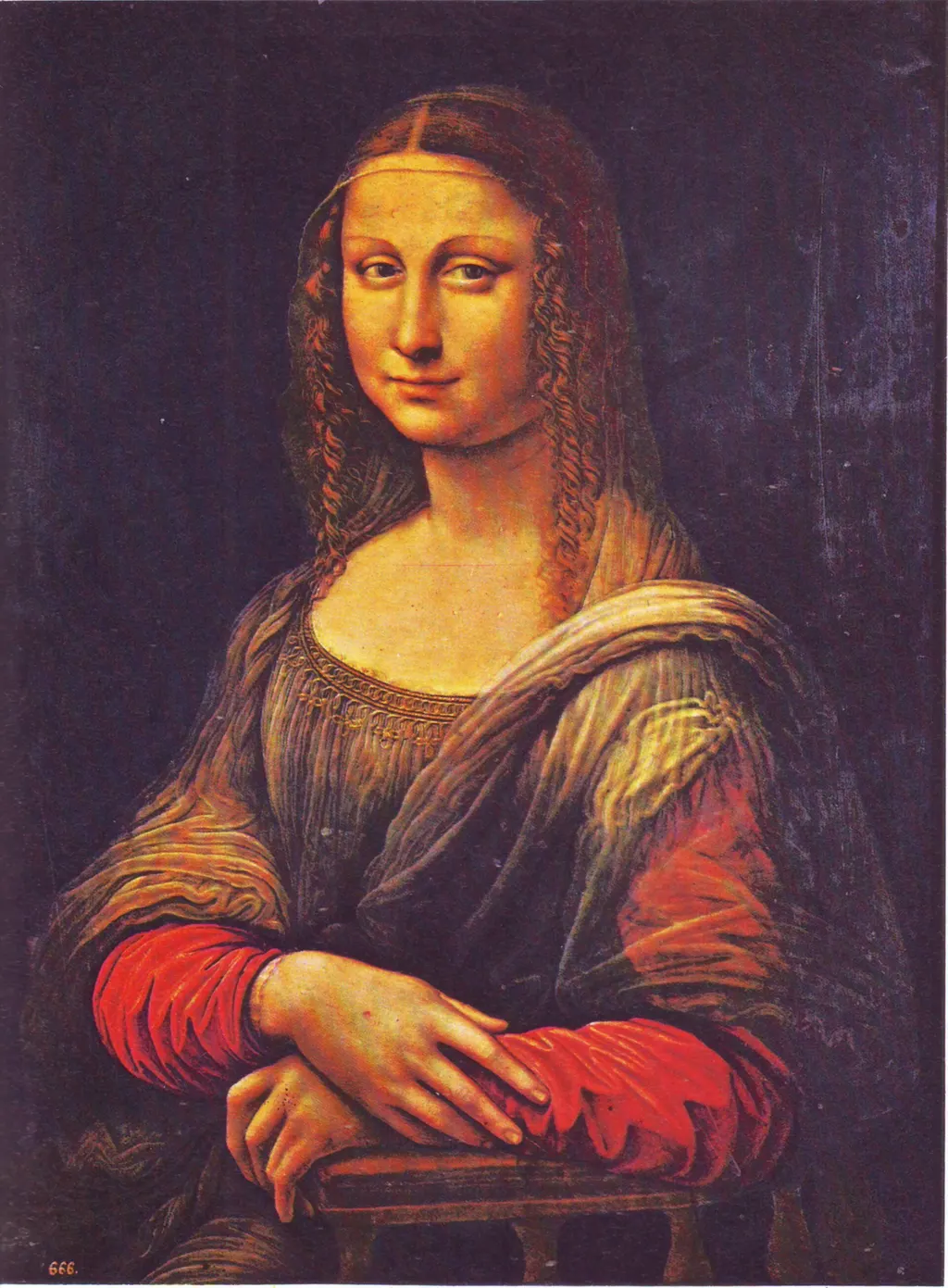
The Prado Mona Lisa: A Tale of Two Paintings
How the 2012 restoration of the Prado's Mona Lisa revealed a copy made in Leonardo's workshop beside the original, and what it shows about the Louvre panel.
Every article published on Artwis, newest first: art history, artists, decorative arts, museums, maps, collecting and creative education.
How the 2012 restoration of the Prado's Mona Lisa revealed a copy made in Leonardo's workshop beside the original, and what it shows about the Louvre panel.
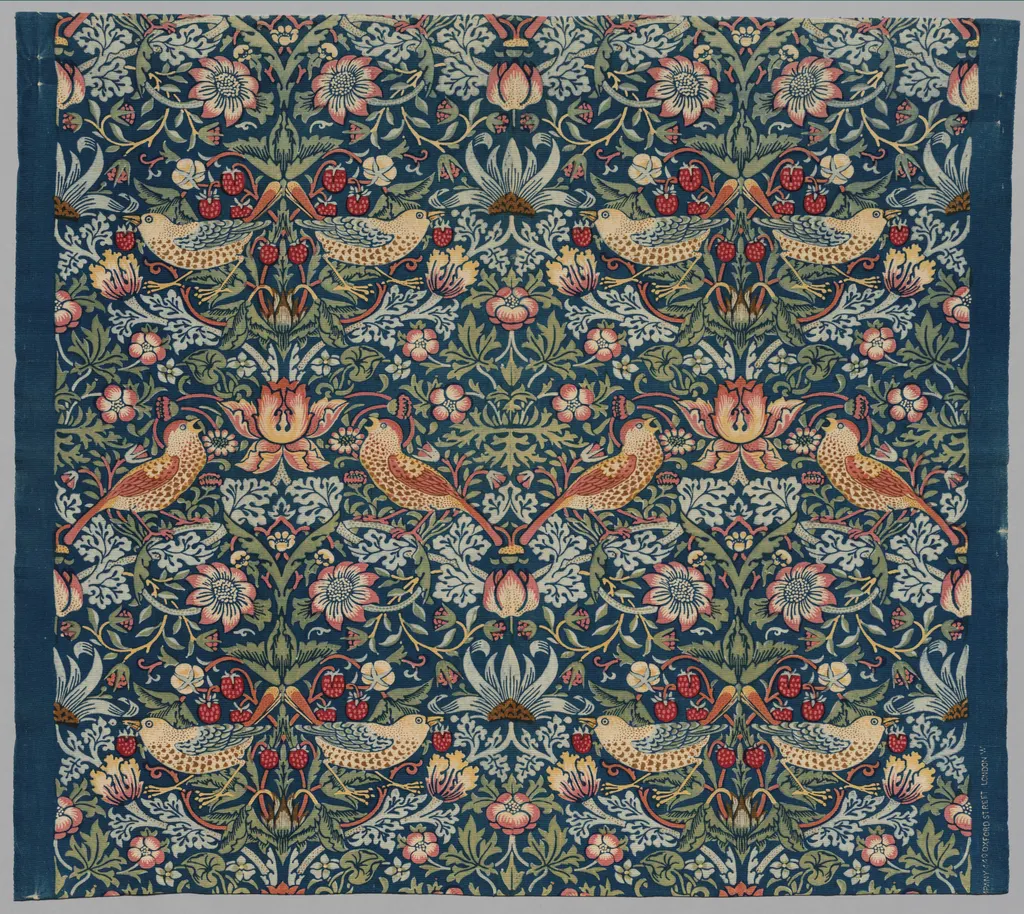
How Ruskin's ideas and William Morris's workshops grew into the Arts and Crafts Movement, its spread to America and Europe, and how to recognise its work.
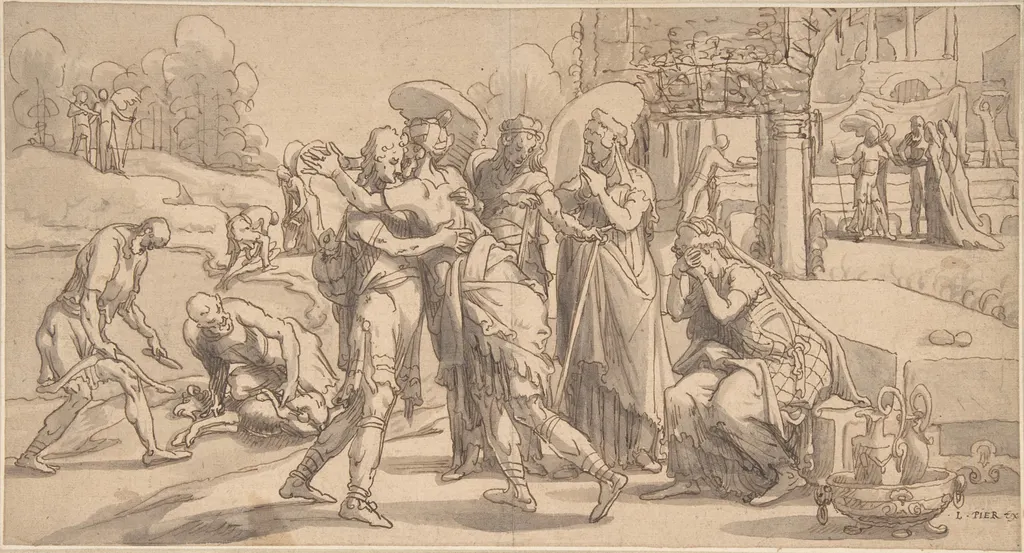
Pieter Aertsen's piled-up market and kitchen scenes, with Bible stories glimpsed behind the food, and why he was hailed as a modern painter of humble things.
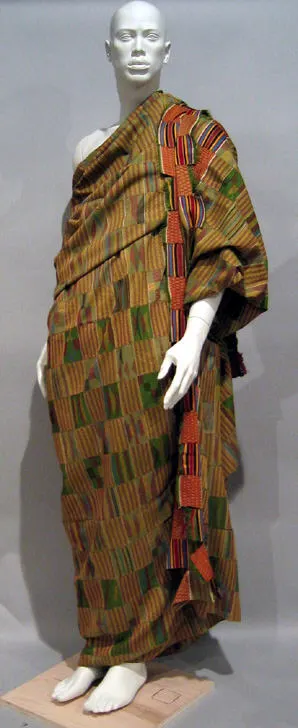
Six living craft traditions explained, from Indonesian batik and Bangladeshi jamdani to Turkish ebru, Japanese washi, Ghanaian kente and Mexican talavera.
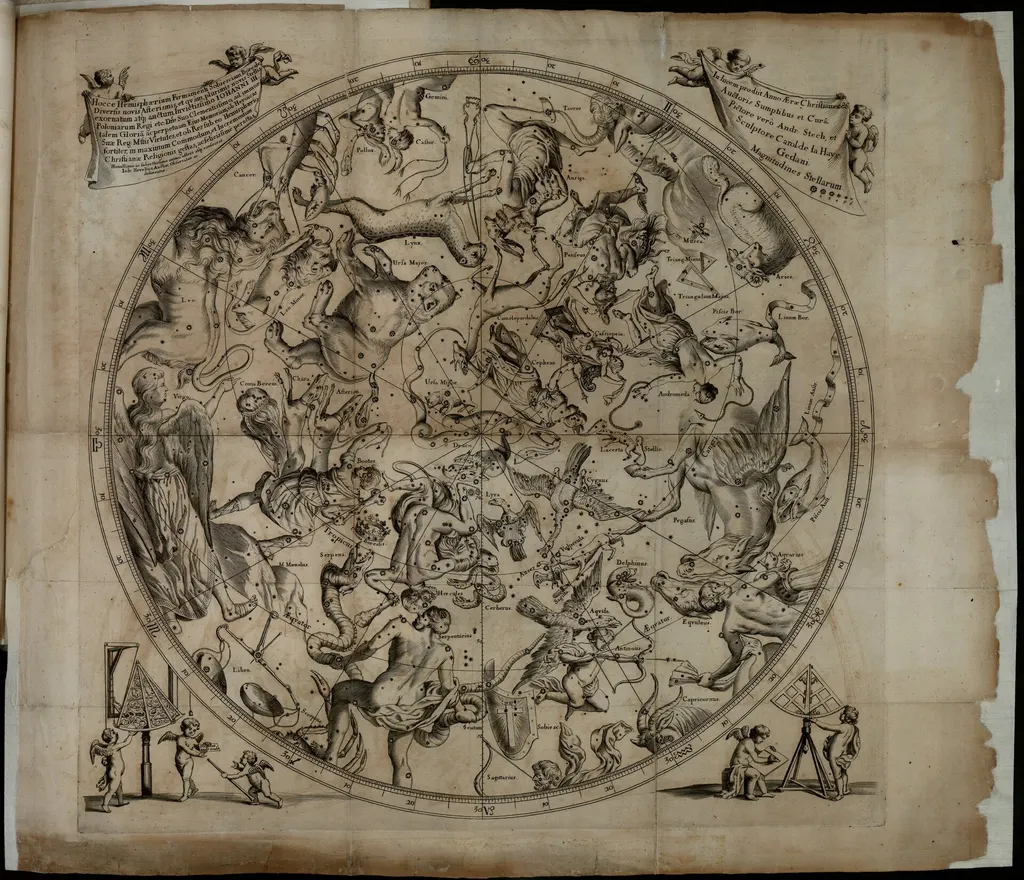
Johannes Hevelius, the Danzig brewer who mapped the Moon in Selenographia (1647) and, with Elisabeth Hevelius, produced a great printed star atlas.
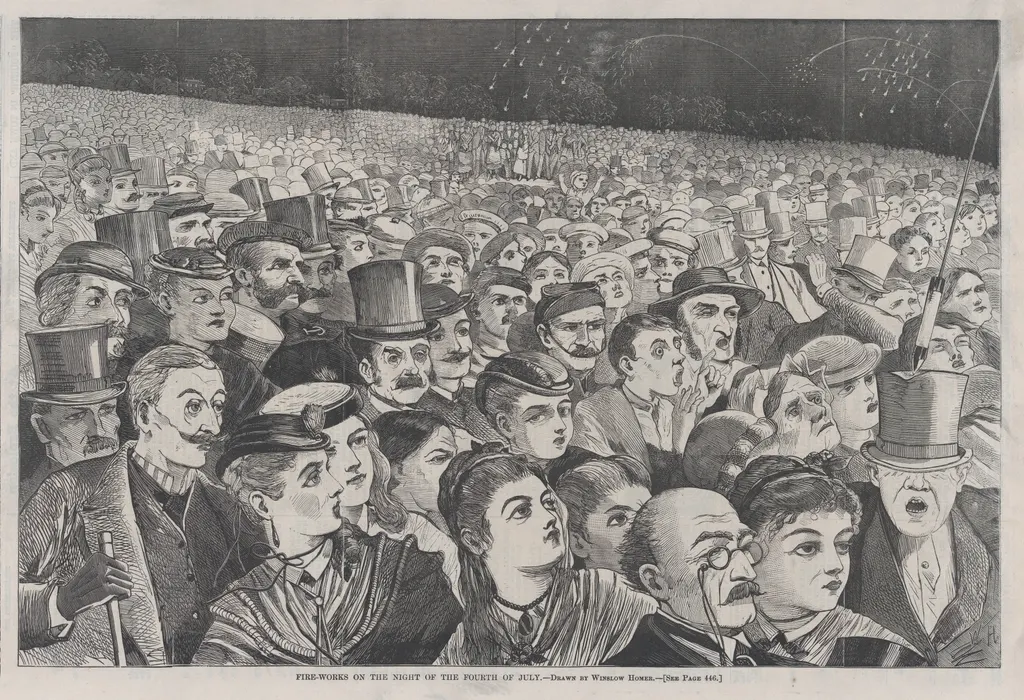
How teachers can bring museum objects into lessons: choosing works, slow-looking routines, open-access images, planning visits and links across the curriculum.
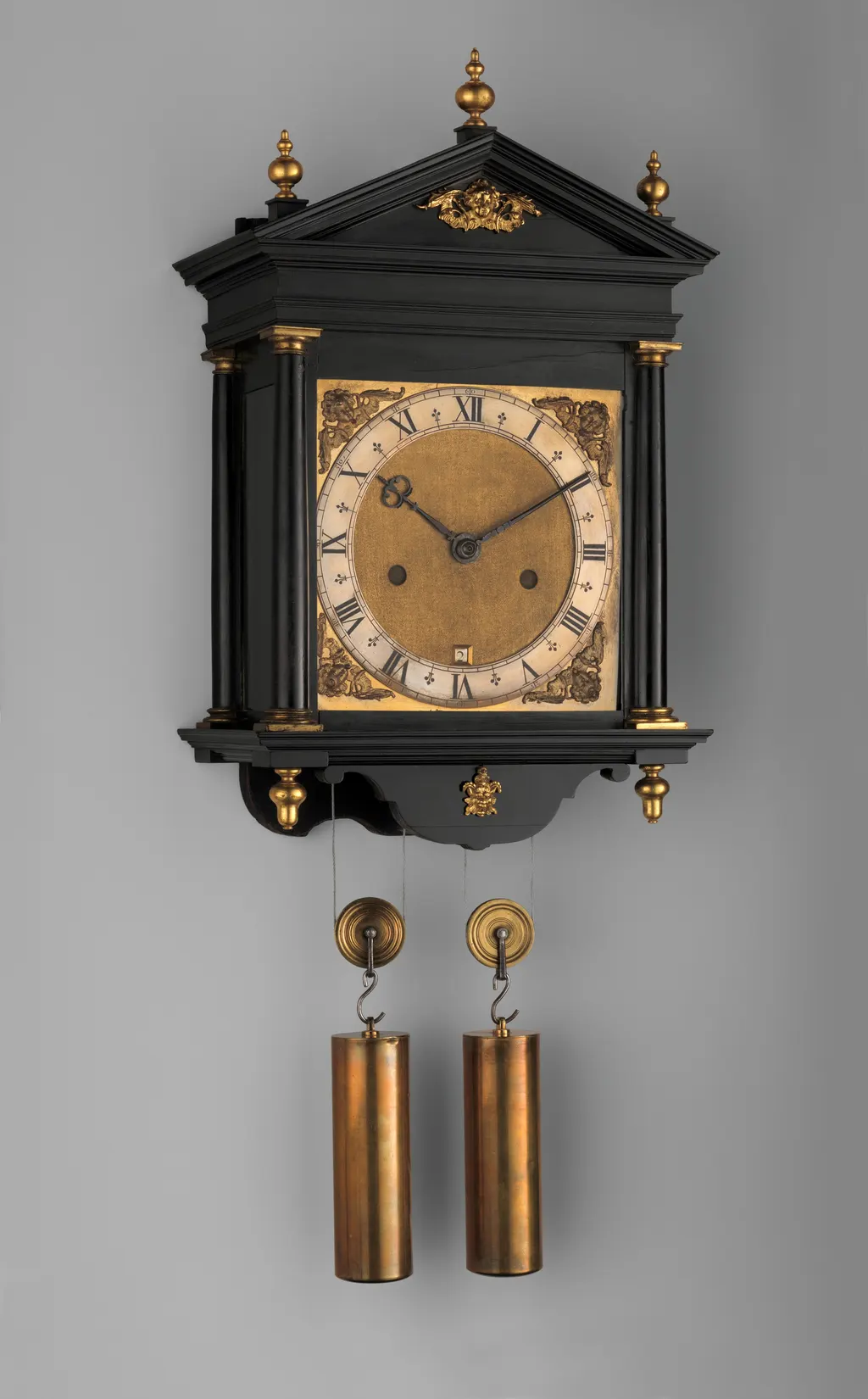
Huygens's invention, Salomon Coster's Hague clocks, Fromanteel in London and the first Paris makers: how the pendulum clock spread between 1657 and 1662.
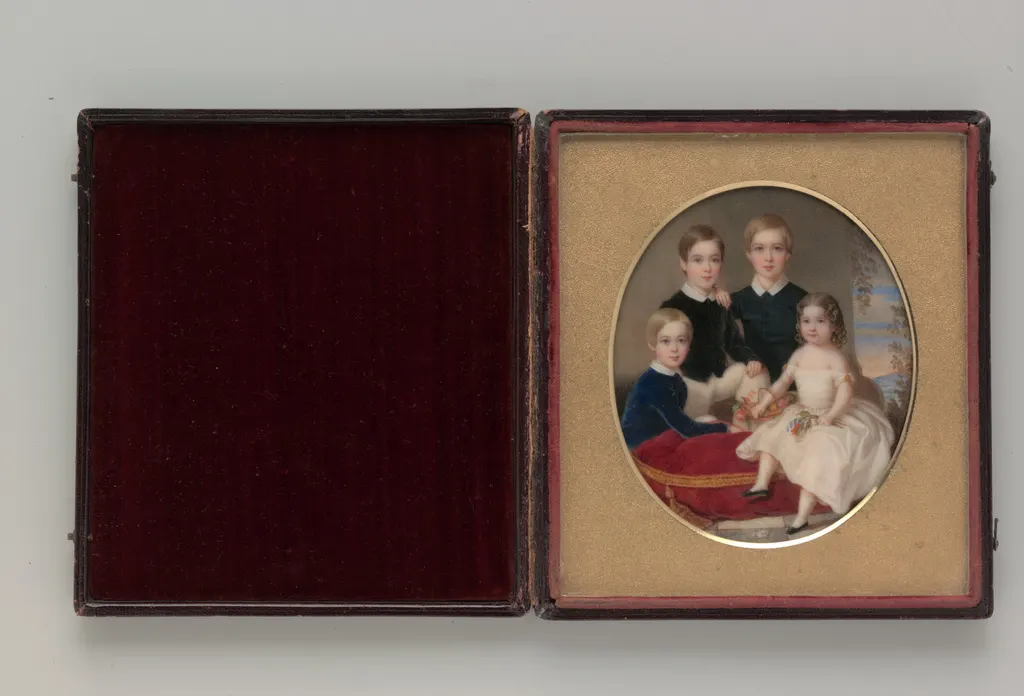
Practical ways to share art history with children: slow looking, stories, a family timeline, period-inspired making, museum visits and honest talk.
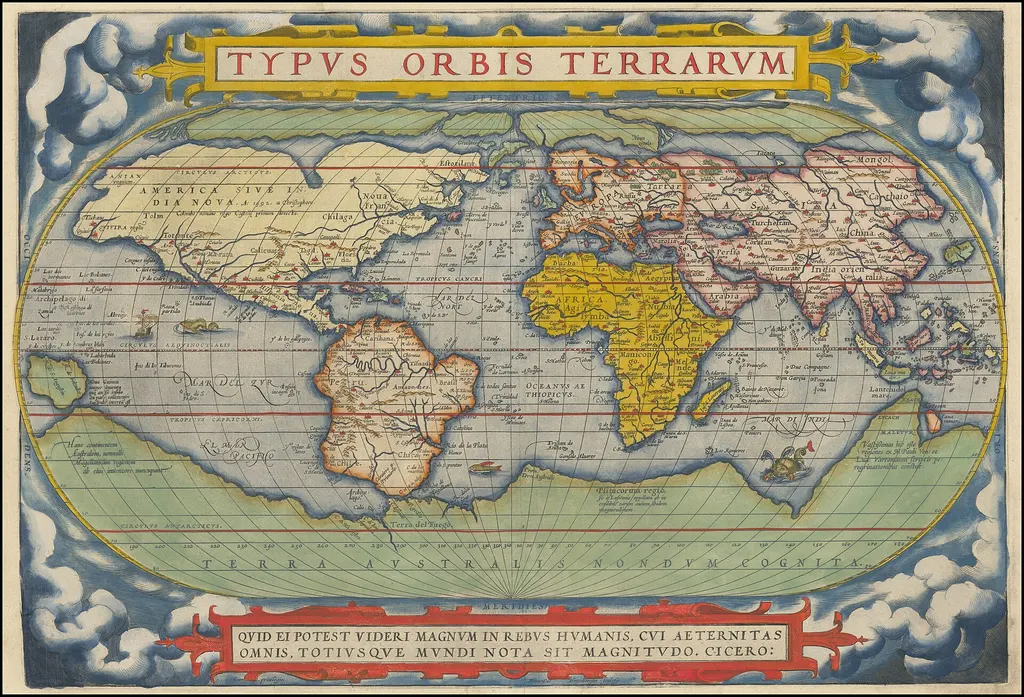
Why the printed text on the back of an Ortelius atlas map matters: what it says, how it changed across editions from 1570, and how it helps date a loose sheet.
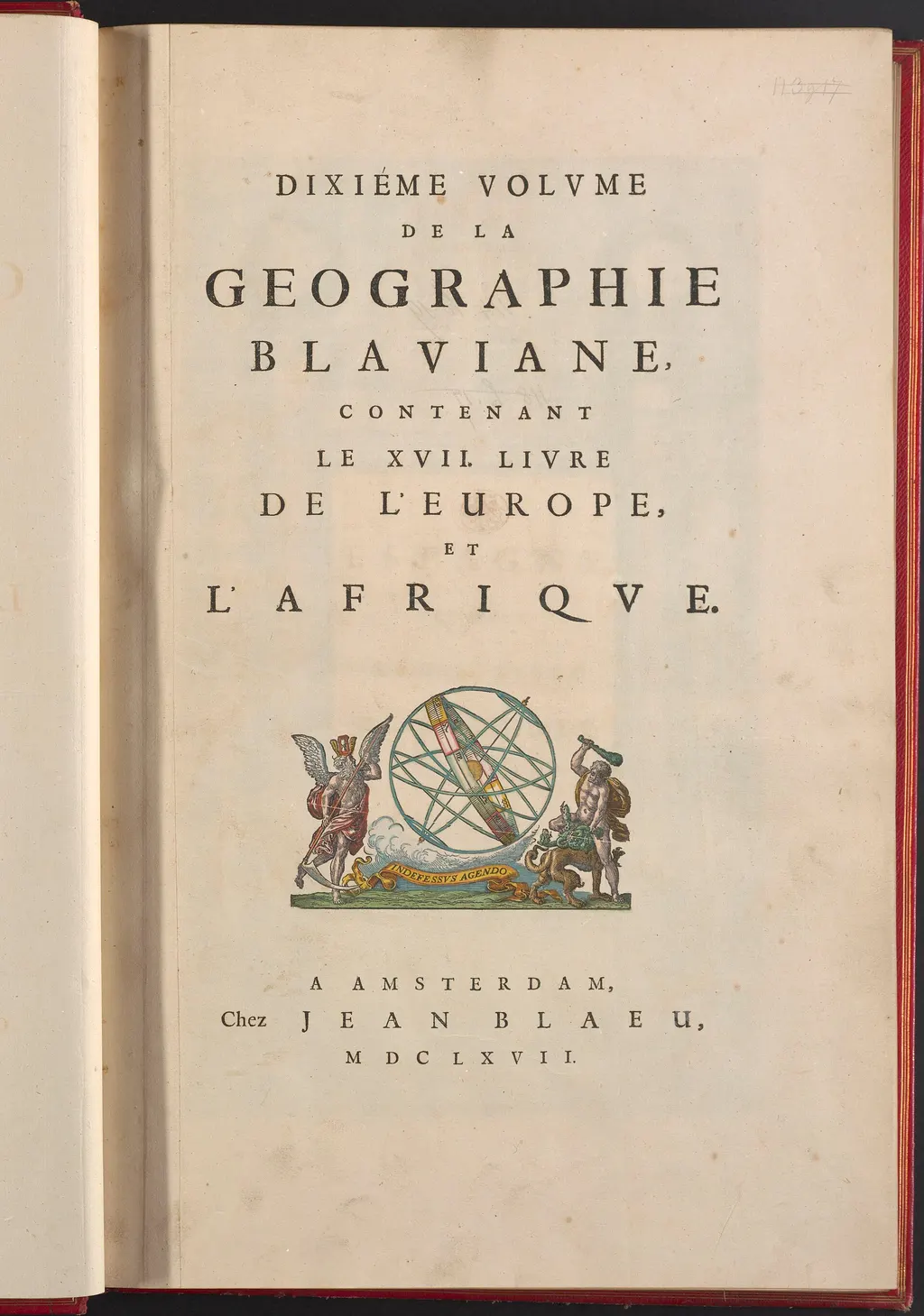
How Antwerp and Amsterdam mapped the world: Ortelius, Mercator and Hondius, Waghenaer's sea atlases, the VOC's mapmakers and Blaeu's Atlas Maior.
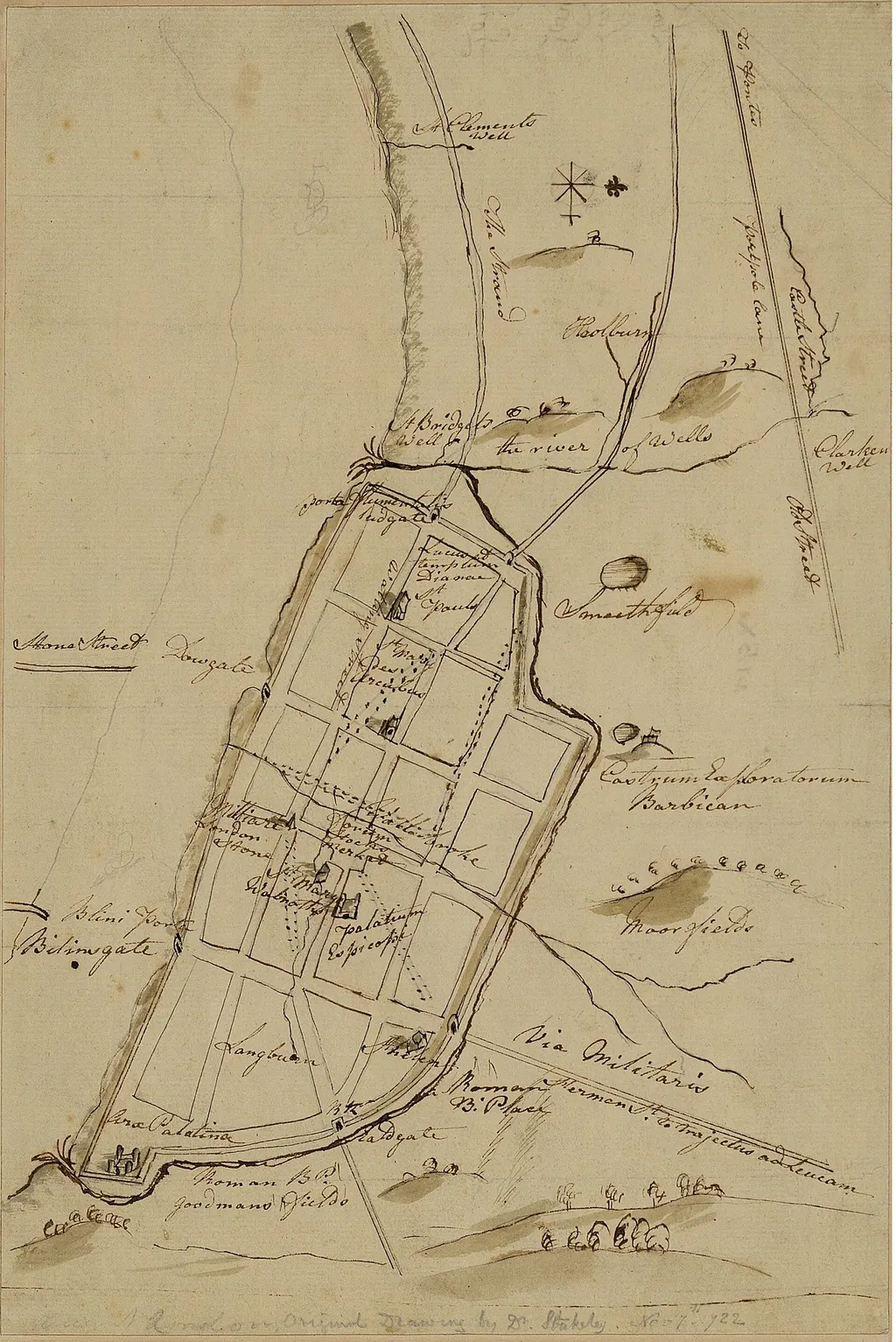
How Charles Bertram's forged 'De Situ Britanniae' and William Stukeley's 1757 map invented Roman places that misled historians and mapmakers for over a century.
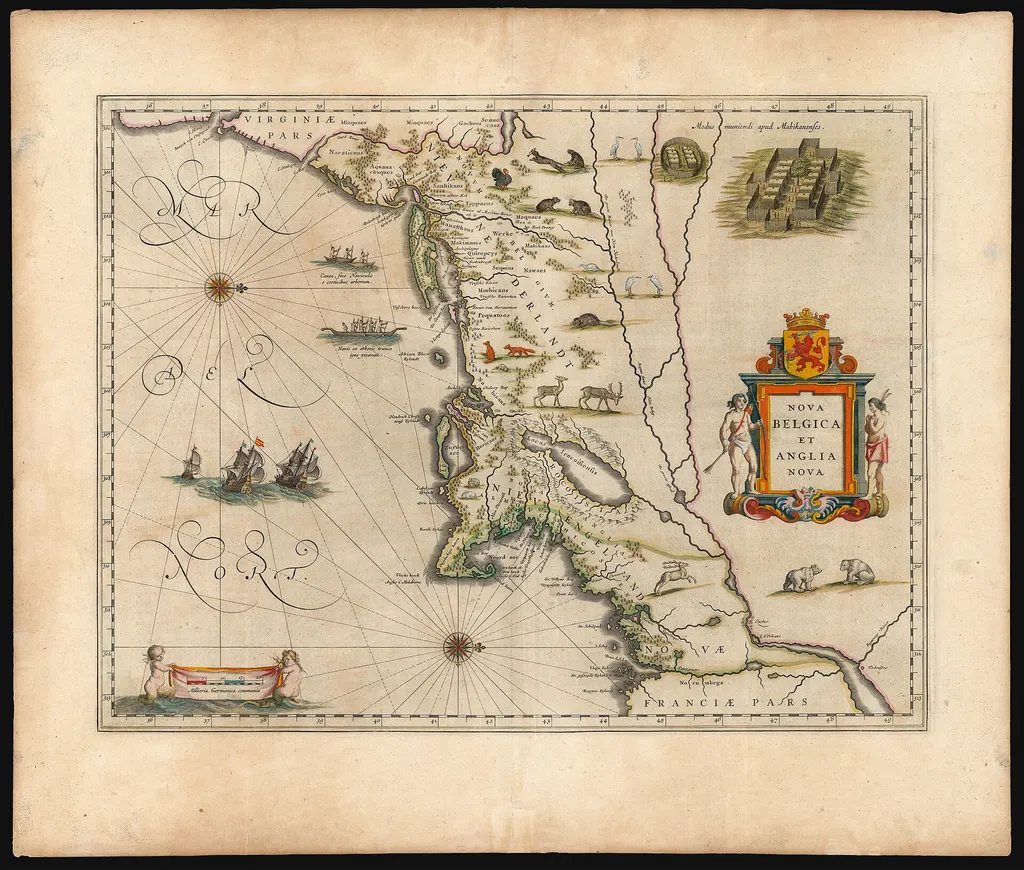
Decode an old map step by step: cartouches, Latin imprints, orientation, scale, projections, symbols, printing methods, paper, colour and famous errors.