Art History
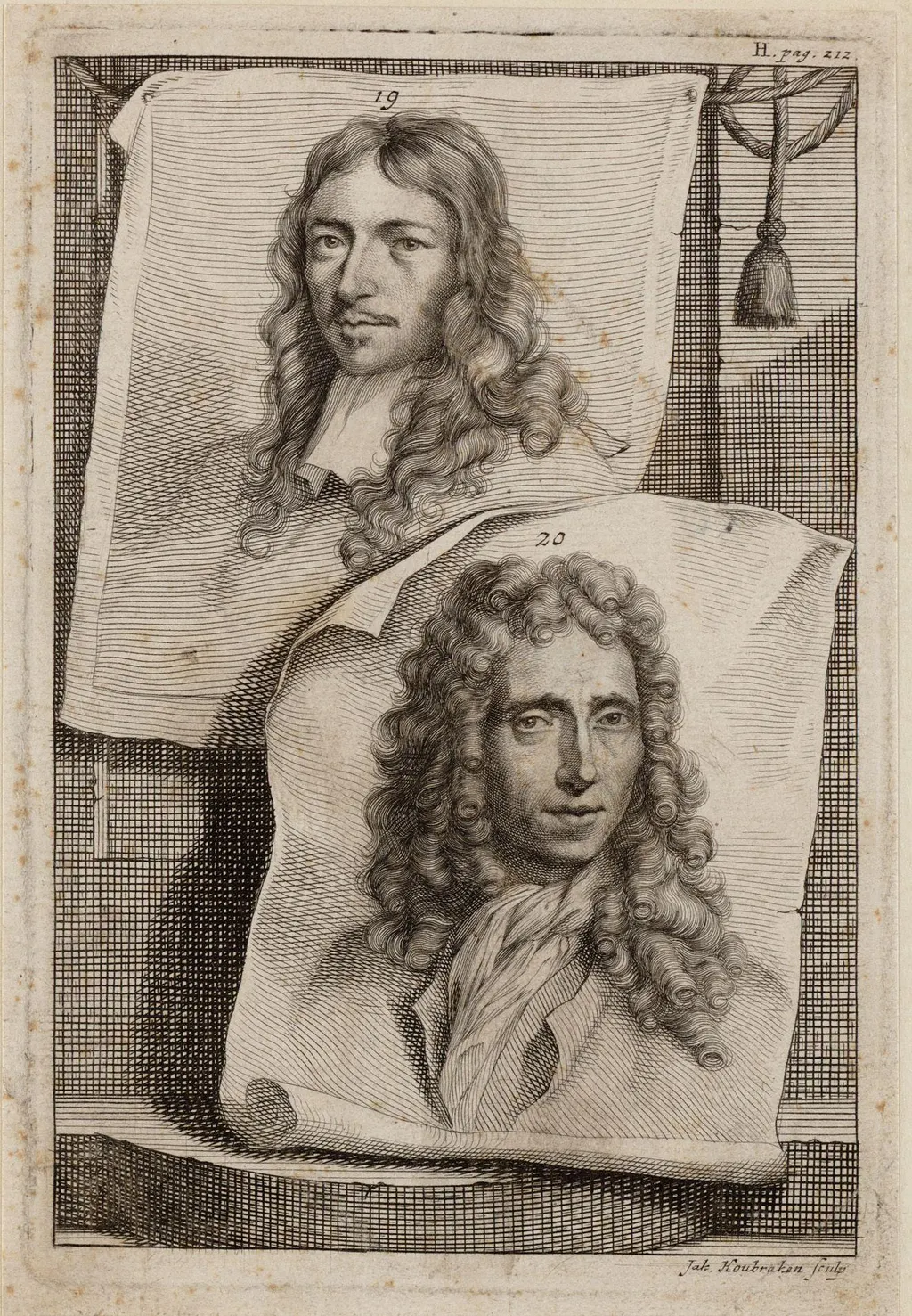
The Man Behind the Painter: Houbraken's Lives of Dutch Artists
Arnold Houbraken's Groote Schouburgh (1718–21) holds the best-known stories about Dutch painters. What it tells us, where it errs, and how to read it now.
Every article published on Artwis, newest first: art history, artists, decorative arts, museums, maps, collecting and creative education.
Arnold Houbraken's Groote Schouburgh (1718–21) holds the best-known stories about Dutch painters. What it tells us, where it errs, and how to read it now.
A clear guide to the major Western art movements from the Renaissance to Pop Art: when they happened, what they valued, and the artists and works to know.
Jan Lievens, the Leiden prodigy who rivalled the young Rembrandt, worked in London, Antwerp and Amsterdam, then slipped from view. How he was rediscovered.
How auction records, price databases and professional appraisers work, how to read a sale result properly, and why no price guide can value your object alone.

A curated, unsponsored guide to the museum collections, research databases, dealer associations, collector societies and journals worth knowing about.
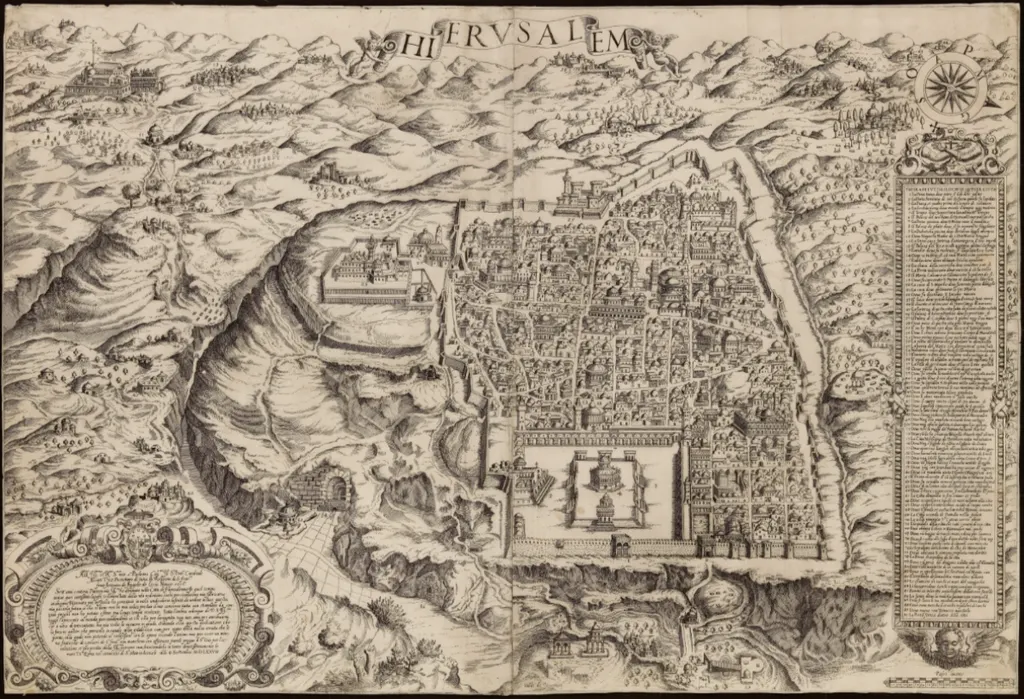
How a Franciscan friar's 1578 engraved view of Jerusalem, printed in Rome, became a model for later maps of the Holy City and was rediscovered in 1981.
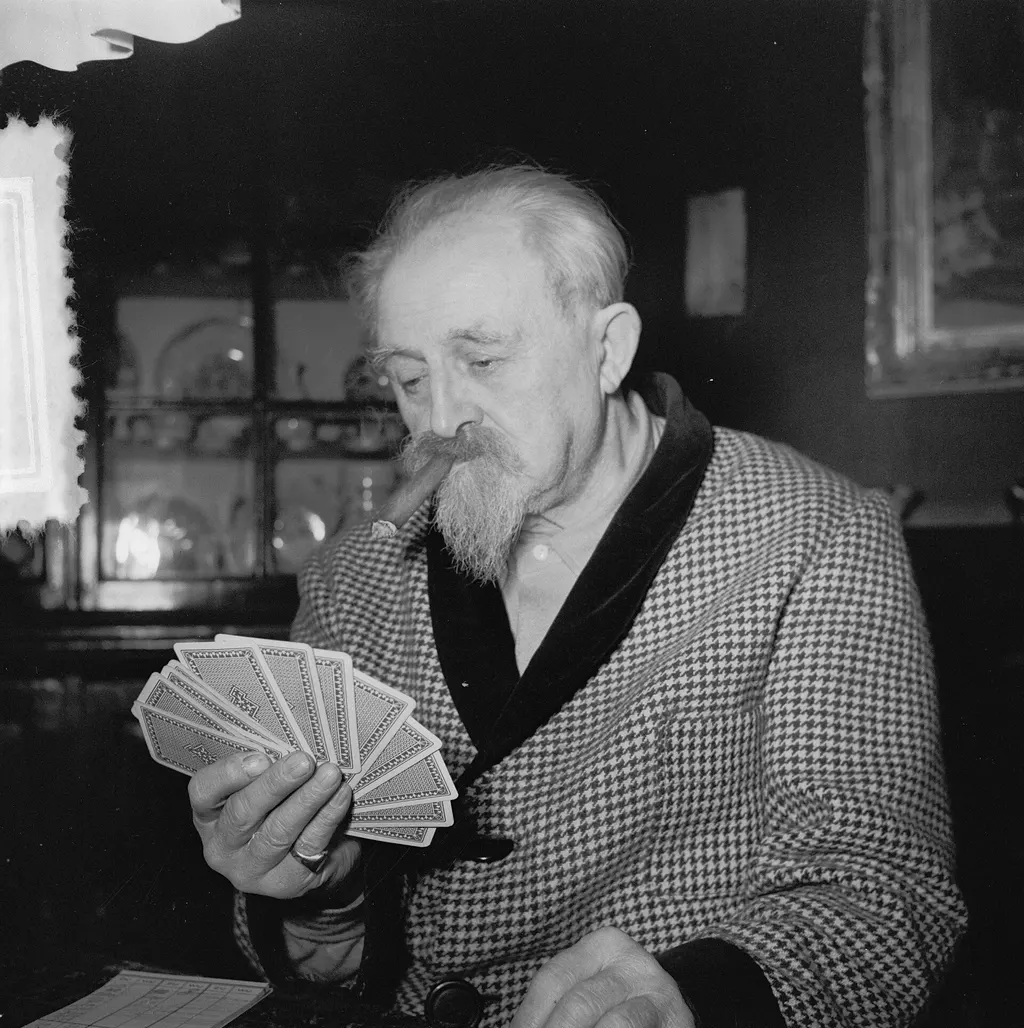
Alongside his daring modernist canvases, Jan Sluijters illustrated scores of Dutch children's books, designed bindings and drew covers for Wendingen.
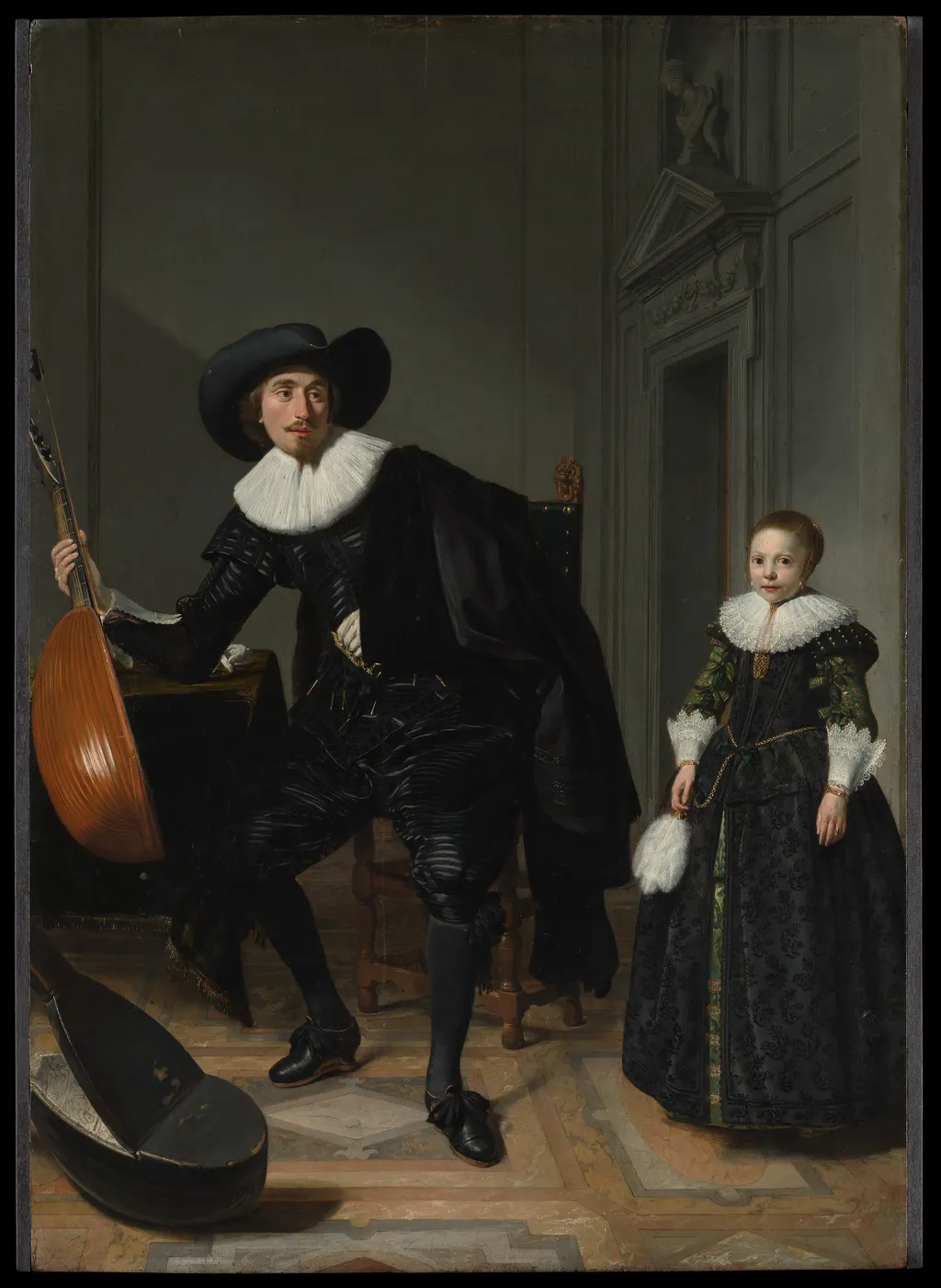
Thomas de Keyser, Pickenoy, Flinck, Bol and Van der Helst: the rivals, pupils and neighbours who shaped Amsterdam's booming seventeenth-century portrait market.
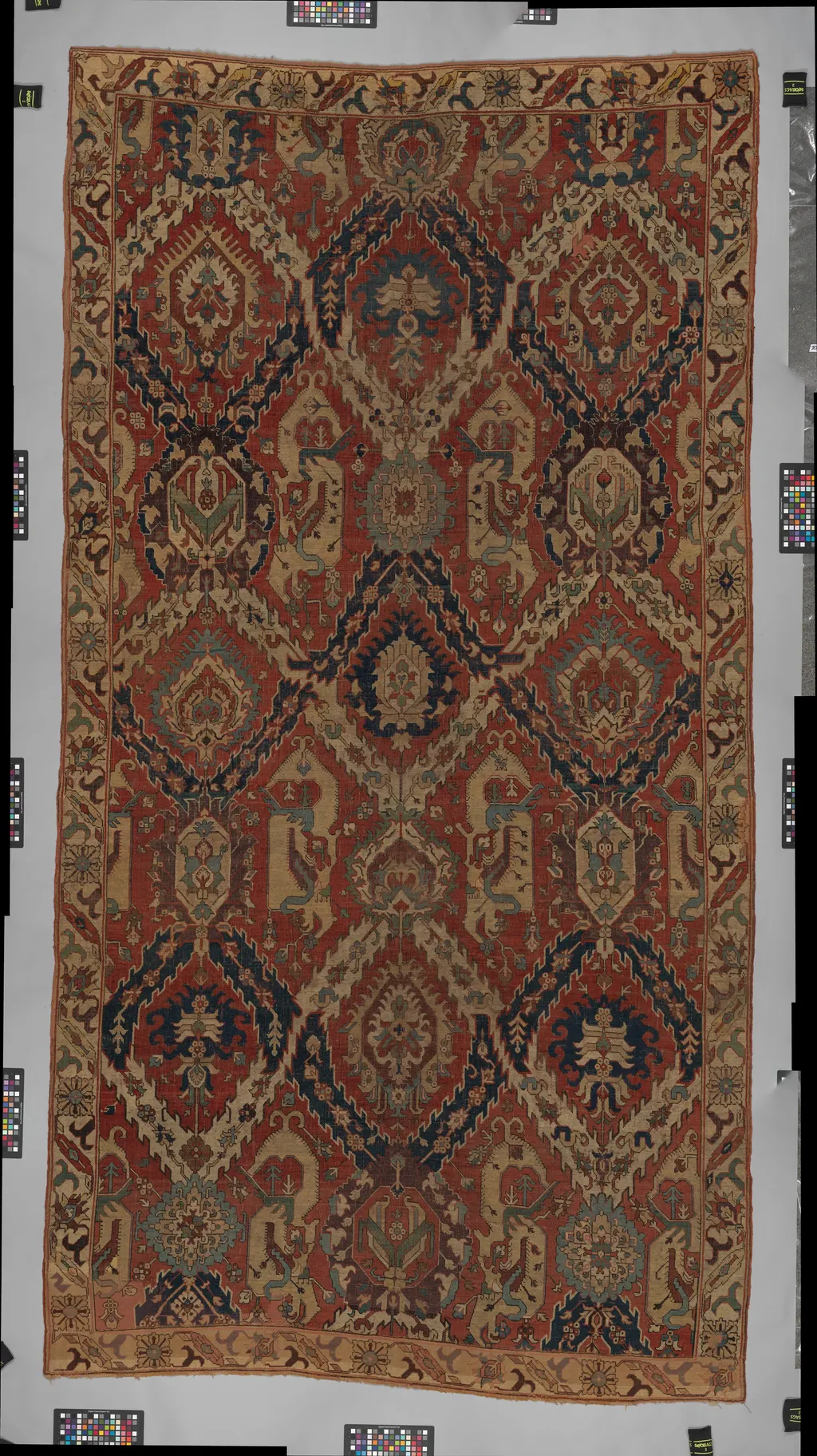
Inscribed Armenian rugs give firm anchors, but most Caucasian rugs carry no words. What structure, dyes and history can and cannot tell us about their weavers.
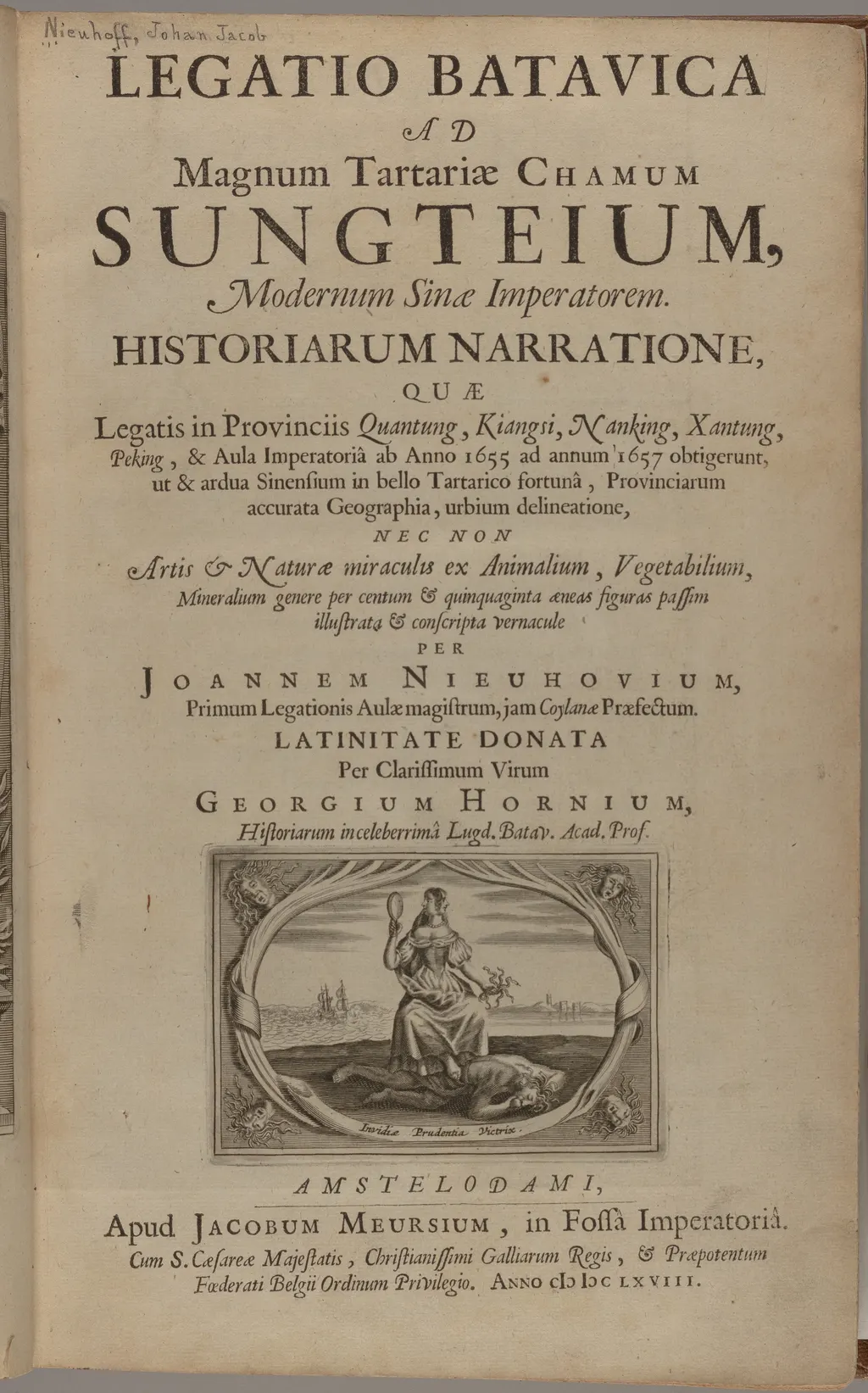
How a steward on the Dutch East India Company's embassy to Beijing in 1655–57 drew China, and how his illustrated book of 1665 shaped Europe's chinoiserie.
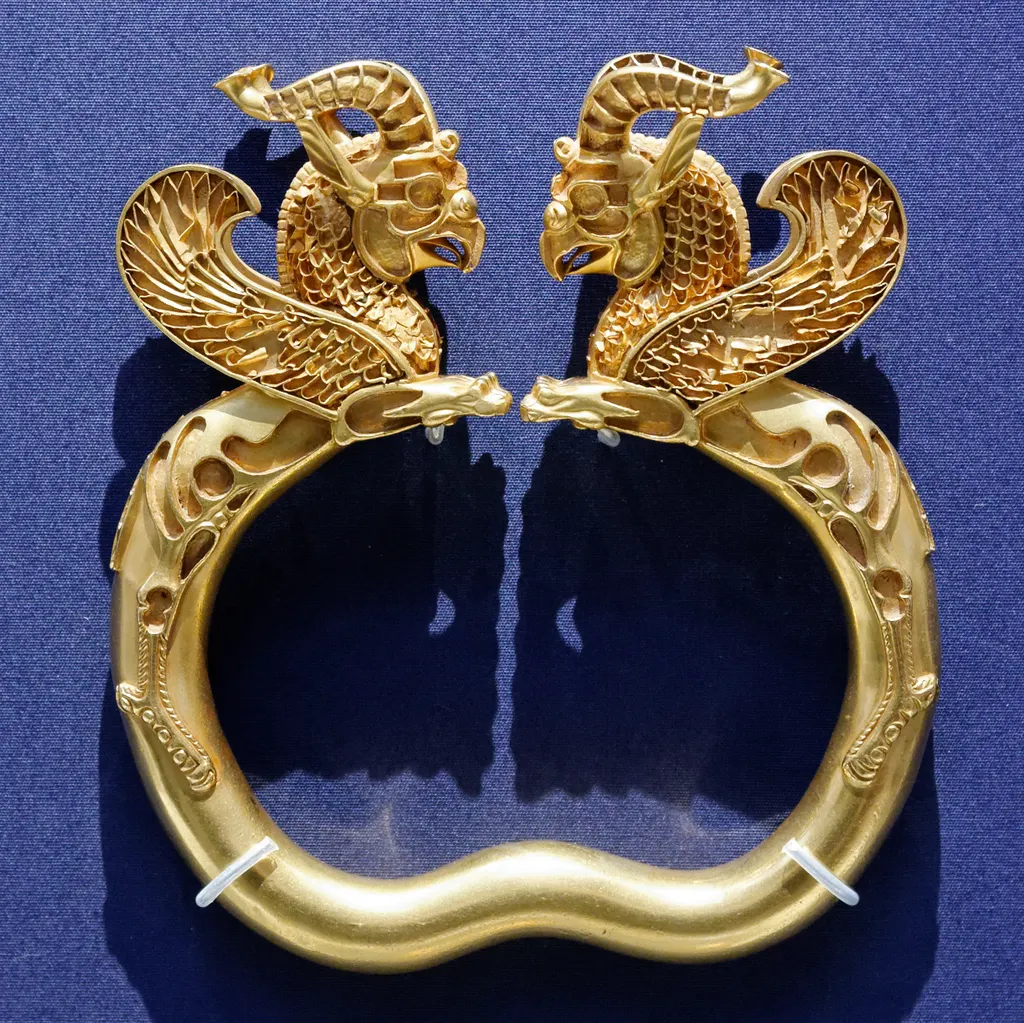
From the Oxus Treasure to Bukharan silver set with turquoise and coral: the layered history of jewellery in the Tajik lands, its birds and its uncertain labels.
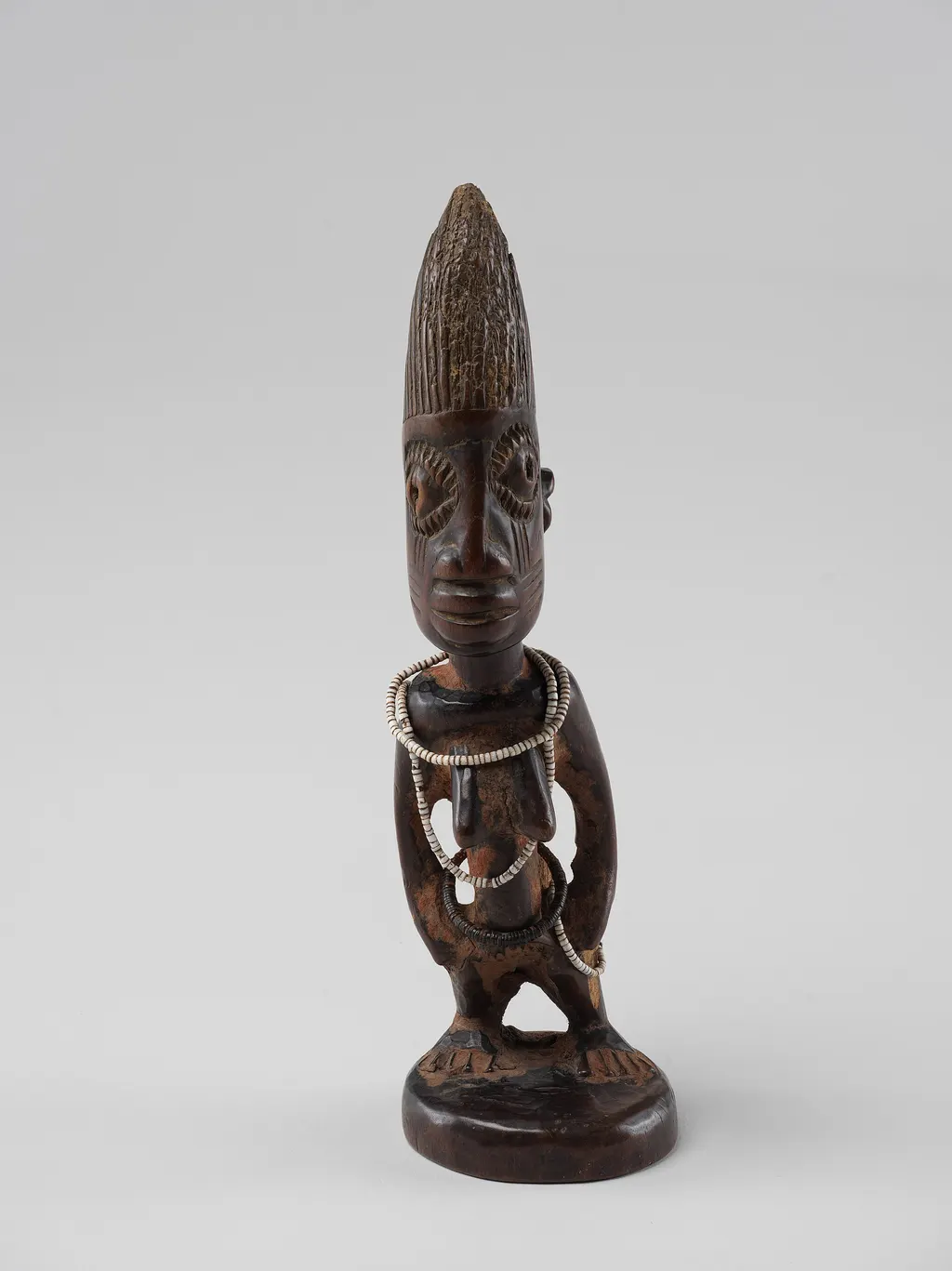
Why Yoruba families commissioned ere ibeji figures for twins who died, how carvers' workshops shaped them, and what camwood, indigo and wear reveal.