Ere Ibeji: Yoruba Twin Figures
Why Yoruba families commissioned ere ibeji figures for twins who died, how carvers' workshops shaped them, and what camwood, indigo and wear reveal.
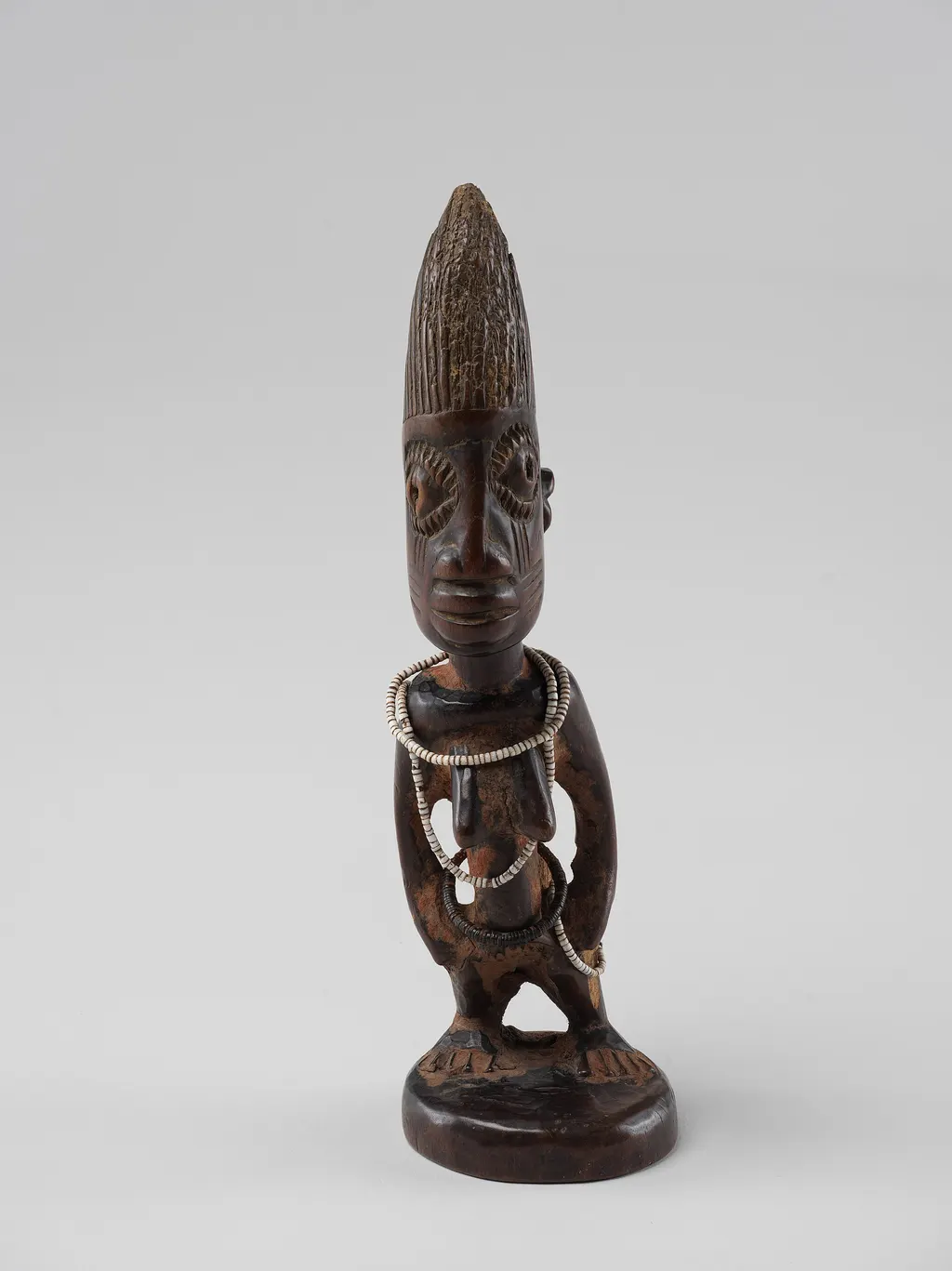
Nick Ash, BerlinEre Ibeji, Nigeria, Benin, Brücke Museum Berlin, 64963, view a, 2021-06-08 11:55:23BrückeMuseumBerlin (via Wikimedia Commons), collection record. CC0 1.0 (Public Domain)
The figure is barely the length of a forearm. She stands very straight on a small base, arms hanging almost to her knees, wearing a jacket of cowrie shells. Her hair rises in five tall points, and her face is marked with L-shaped scars on the cheeks and three parallel lines on the forehead. Yet the sharpest details are softened, as if the wood had been held and rubbed for years. It had. This ere ibeji, now in the Art Institute of Chicago and attributed to the workshop of Abogunde of Ede, active in the late nineteenth century, was made to stand in for a child who had died.
Ere ibeji means "image of twins" in Yoruba. Such figures are among the most numerous and most intimate sculptures from West Africa. Each one was commissioned by a family, cared for over many years, and shaped by a carver working in a recognisable local style.
This article explains the beliefs behind ere ibeji, the work of the carvers who made them and the traces of care that a careful viewer can still read on their surfaces.
Twins in Yoruba life
The Yoruba of south-western Nigeria and neighbouring Benin have one of the highest rates of twin births in the world. A 2002 study in the journal Twin Research put the dizygotic (non-identical) twinning rate at 4.4 per cent of all maternities. The authors attribute it mainly to genetic factors. A dietary explanation involving certain yams has also been proposed, but it remains a hypothesis.
Twins are given set names. The first-born is Taiwo, understood as the one who has "the first taste of the world". The second is Kehinde, "the one who arrives after". Kehinde is regarded as the elder, since it is said to have sent Taiwo ahead to see whether the world was fit to enter.
Attitudes to twins have not always been favourable. Accounts collected by scholars suggest that in earlier times twin births were feared and sometimes rejected. The Art Institute of Chicago notes that a radical change took place around the late eighteenth and early nineteenth centuries, when twins came to be honoured, in the region once ruled by the Oyo Empire, as emi alagbara, "powerful spirits". Scholars are uncertain what prompted this reversal. Twins came to be seen as bringers of good fortune to parents who honoured them, and of misfortune to those who did not. The orisa most closely associated with twins and their wellbeing is Sango.
When a twin dies
Twin births carry a higher risk of infant death, and the loss of a twin was a spiritual as well as personal crisis, regarded as a misfortune for the whole family. The usual response followed a series of steps:
- They consulted a diviner of Ifá, the Yoruba system of divination.
- On the diviner's guidance, they commissioned a sculptor to carve a figure. If both twins had died, two figures were made.
- The finished figure was brought home and treated as the living child would have been: washed, fed, oiled and dressed.
- In some areas, the mother danced with the figure at least once a year.
The study of Yoruba twin customs quotes a saying that captures the logic of care: money spent on dead twins is money spent for the living. Looking after the image protected the surviving twin and the family's fortunes.
Carvers and workshops
Ere ibeji are not portraits. Although they stand for infants, they are carved with the features of adults: elaborate hairstyles, facial marks, breasts or male genitals, and the composed expression the Yoruba admire. The Art Institute of Chicago stresses that the sculptor had almost complete control over the figure's appearance. The family specified only its sex.
Carving was traditionally learned through apprenticeship in a family workshop, and each workshop developed a recognisable hand. That is why specialists can often attribute a figure to a town, a lineage or even an individual master. Two examples in Chicago show the range:
| Figure | Attribution | Distinctive features |
|---|---|---|
| Female figure with cowrie jacket | Workshop of Abogunde of Ede, late nineteenth century | Outlined eyes, high striated coiffure in five points, L-shaped cheek marks |
| Male figure with cowrie gown | Attributed to Akiodé (died 1936), of the Èsùbíyìí workshop, Itoko quarter, Abeokuta | Delicate forms, cock's-comb coiffure with cornrows, heavy-lidded almond eyes |
Other figures in the same collection are attributed only to a region, such as the Kisi or Old Oyo area. Across workshops, large almond-shaped eyes, full lips and long arms hanging beside comparatively short legs are typical of the genre, while coiffures and facial marks vary most.
The names of many carvers were never recorded by collectors, who often wrote down only "Yoruba". Recovering them has been a major task for Yoruba scholars and art historians over the past half-century, using fieldwork, oral history and close comparison of style.
Traces of care
The surfaces of ere ibeji are records of their use. When you look at one, these are the signs to watch for:
- Camwood. Many figures carry a reddish crust of dried camwood powder (osun), applied as part of their care.
- Indigo. Coiffures are often dyed deep blue with indigo or a commercial laundry blue. The Art Institute notes that repeated bathing of the head with indigo was associated with calming the spirit's inner being.
- Beads and cowries. Strings of glass beads at the neck, waist or wrists, and jackets or gowns of cowrie shells, were gifts expressing the family's devotion and hopes of prosperity. Cowrie garments also recall the dress of Sango's priests.
- Wear. Noses, faces and coiffure points rubbed smooth by repeated washing and feeding are evidence of long and loving use. To collectors this patina has become a mark of authenticity, which unfortunately also gives forgers a reason to imitate it.
Look closer: Compare the front of a figure with its back. A figure that was genuinely handled for years usually shows wear on its most prominent points, the nose, breasts and coiffure, while recesses keep traces of camwood or indigo. Wear that is even all over, or in places a hand would not reach, deserves questions.
In museums and on the market
Ere ibeji are widely held in museums and private collections across Europe and North America, and the trade in them has been large. Each one in a showcase was once part of a household, standing on a family shrine and cared for by a mother. How it came to leave that household is rarely recorded. Families parted with figures for many reasons, few of them documented, and many passed through dealers with no history at all.
That matters for anyone who wants to own or display one. Ask for ownership history, be cautious of "ritual" surfaces that look too uniform, and remember that ere ibeji continued to be carved, and carved for sale, through the twentieth century. Our guide to provenance sets out what to look for.
Seeing ere ibeji
The Art Institute of Chicago publishes several well-catalogued figures online, with workshop attributions that make useful comparisons. Many other museums with West African collections show pairs of figures side by side, which is the best way to appreciate both the conventions of the form and the individuality of each carver.
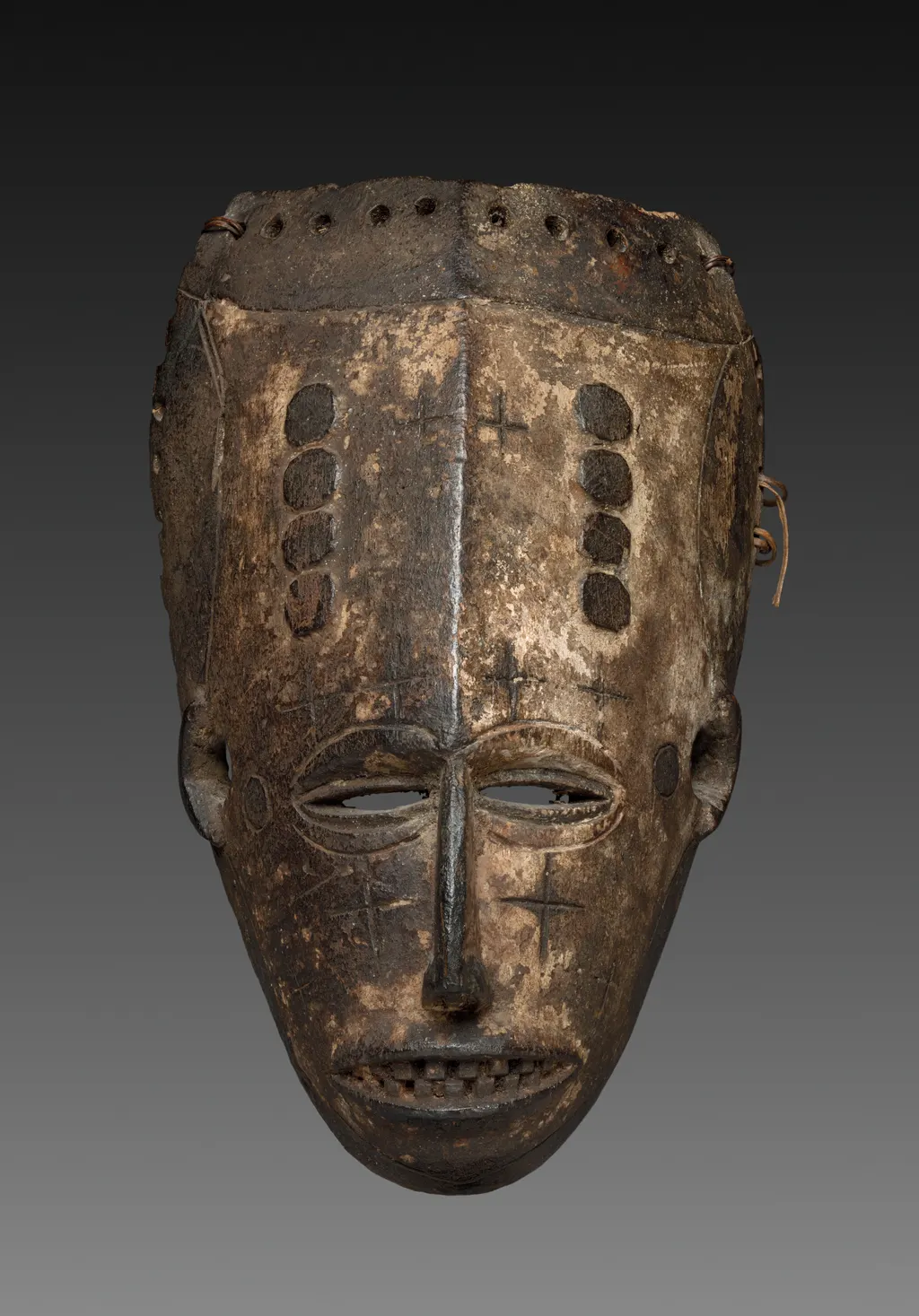
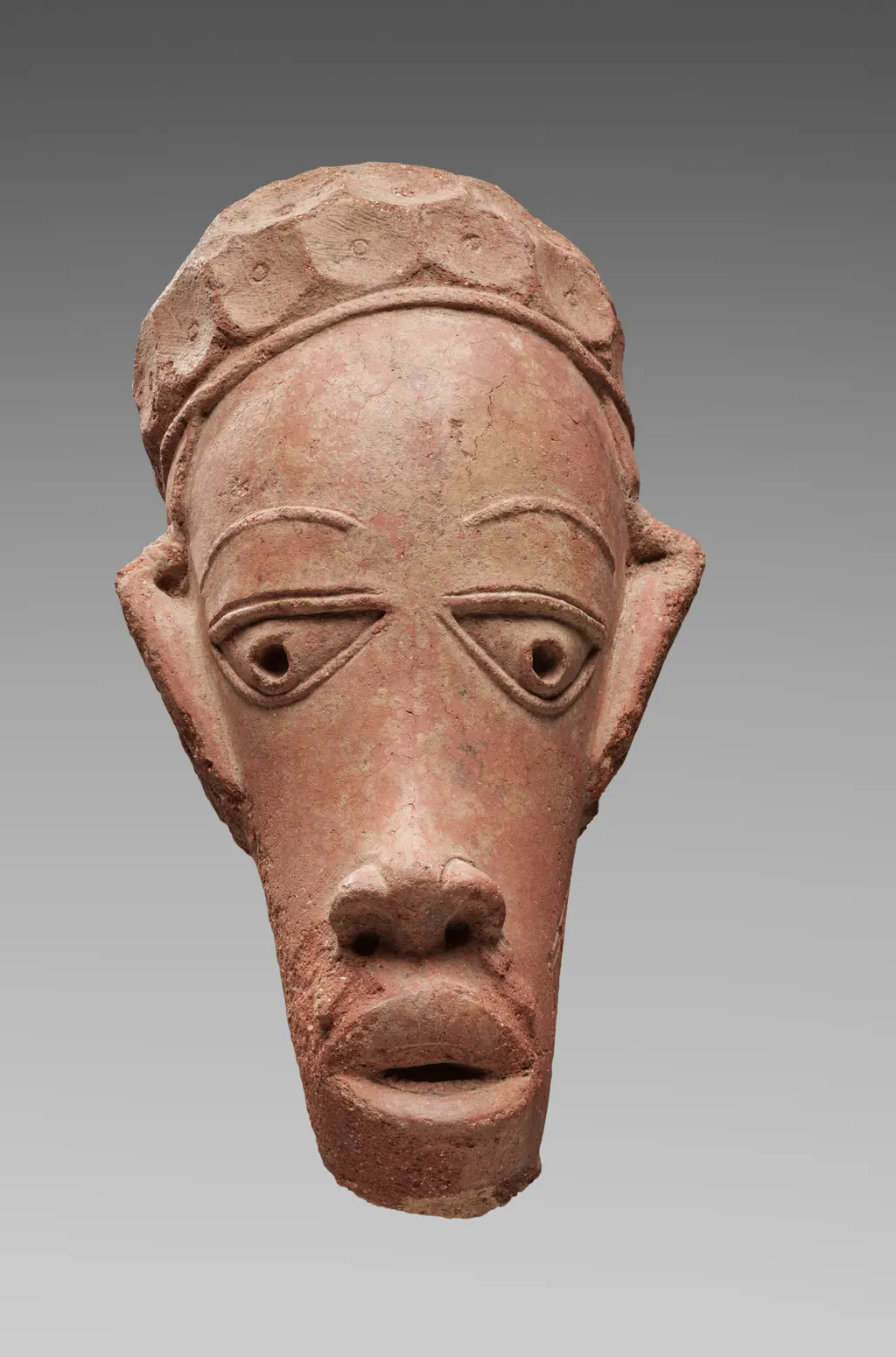
For more on how sculptors carve, model and cast, read an introduction to sculpture. For other West African sculptural traditions, see Igbo maiden spirit masks and Nok terracottas. More in sculpture and ceramics.
Sources
- Standing Figure (Ibeji), workshop of Abogunde of Ede, Art Institute of Chicago
- Twin Commemorative Figure (Ibeji) with Cowrie Shirt, attributed to Akiodé, Art Institute of Chicago
- Twin Figures (Ere Ibeji), Art Institute of Chicago
- Leroy, Olaleye-Oruene, Koeppen-Schomerus and Bryan, Yoruba Customs and Beliefs Pertaining to Twins (Twin Research, 2002), Twin Research (Cambridge University Press)