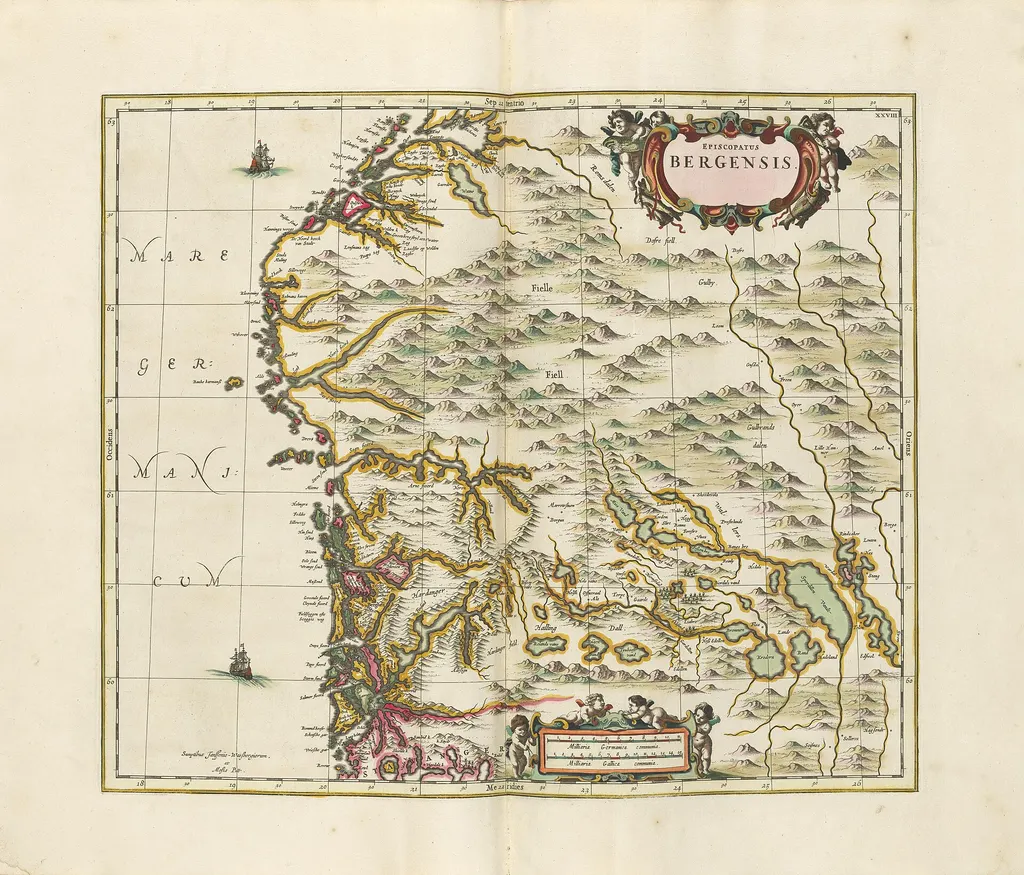
Maps and Cartography
Moses Pitt, Robert Hooke and the English Atlas
How a London bookseller, backed by Wren, Hooke and the Royal Society's circle, planned an English rival to the Dutch atlases, and why the venture ruined him.
Every article published on Artwis, newest first: art history, artists, decorative arts, museums, maps, collecting and creative education.
How a London bookseller, backed by Wren, Hooke and the Royal Society's circle, planned an English rival to the Dutch atlases, and why the venture ruined him.
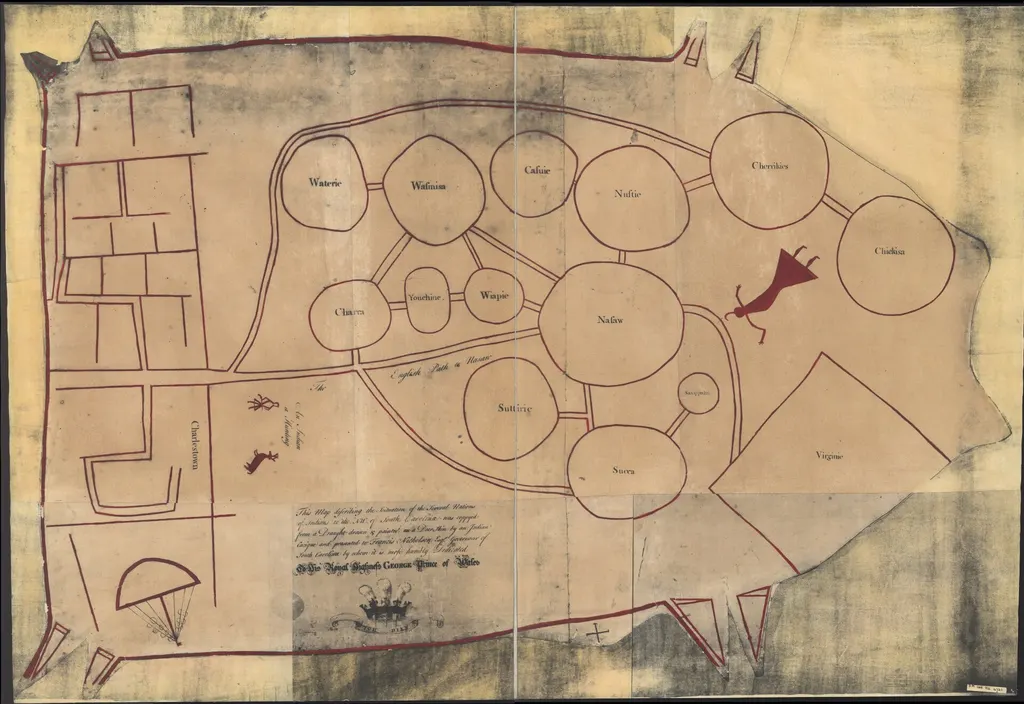
From the Catawba deerskin map to Ackomokki's Blackfoot map of 1801: how Native North American mapmakers recorded land, routes and relationships.
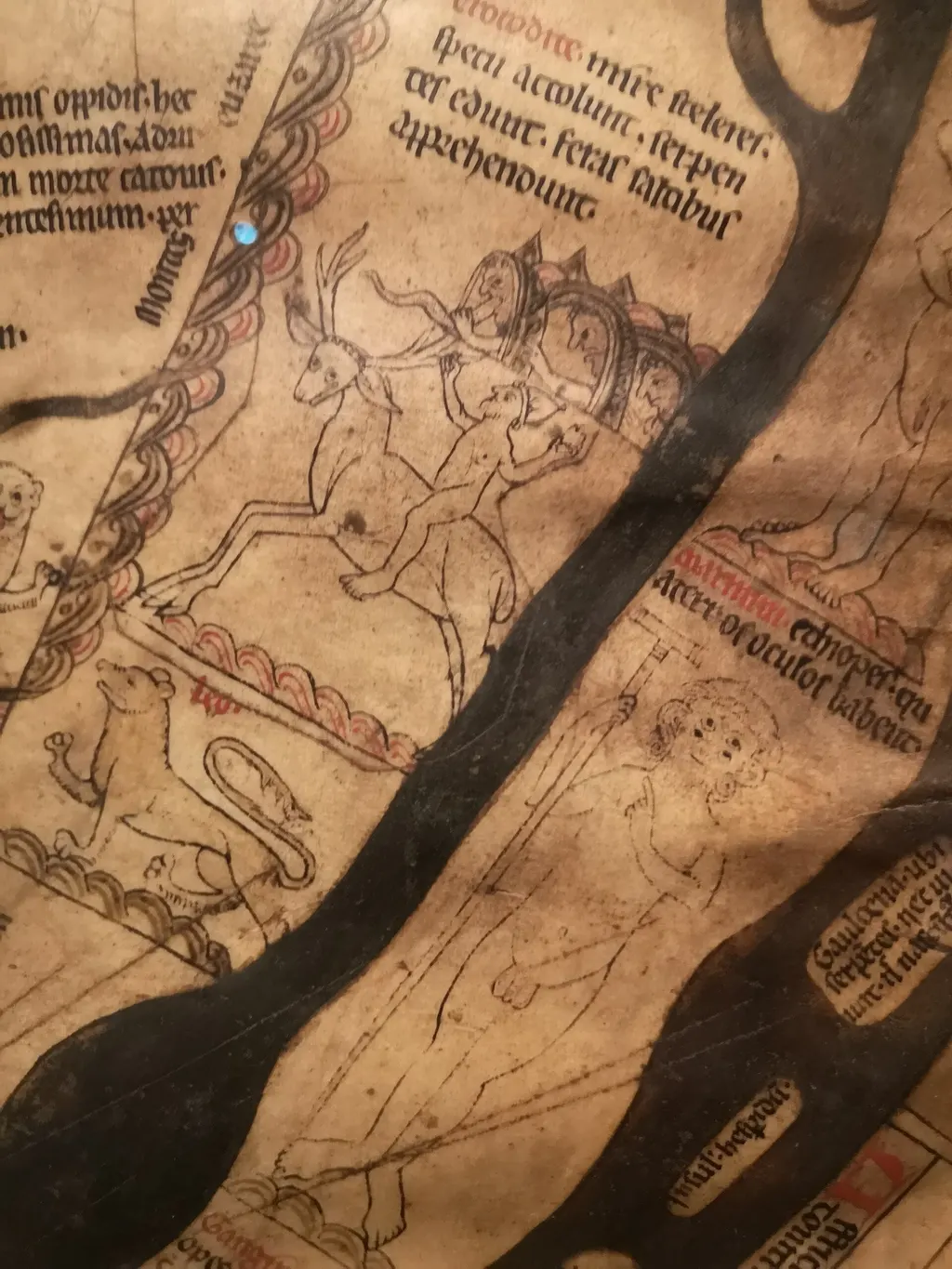
How the Hereford Mappa Mundi, the Ebstorf Map and the tiny Psalter Map combined geography, scripture and legend into medieval pictures of the whole world.
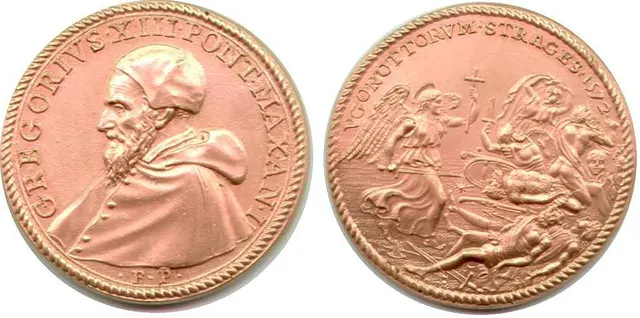
From the papal medal celebrating the 1572 massacre of Huguenots to the antisemitic 'grain Jew' medal of 1694: how medals spread religious and racial hostility.
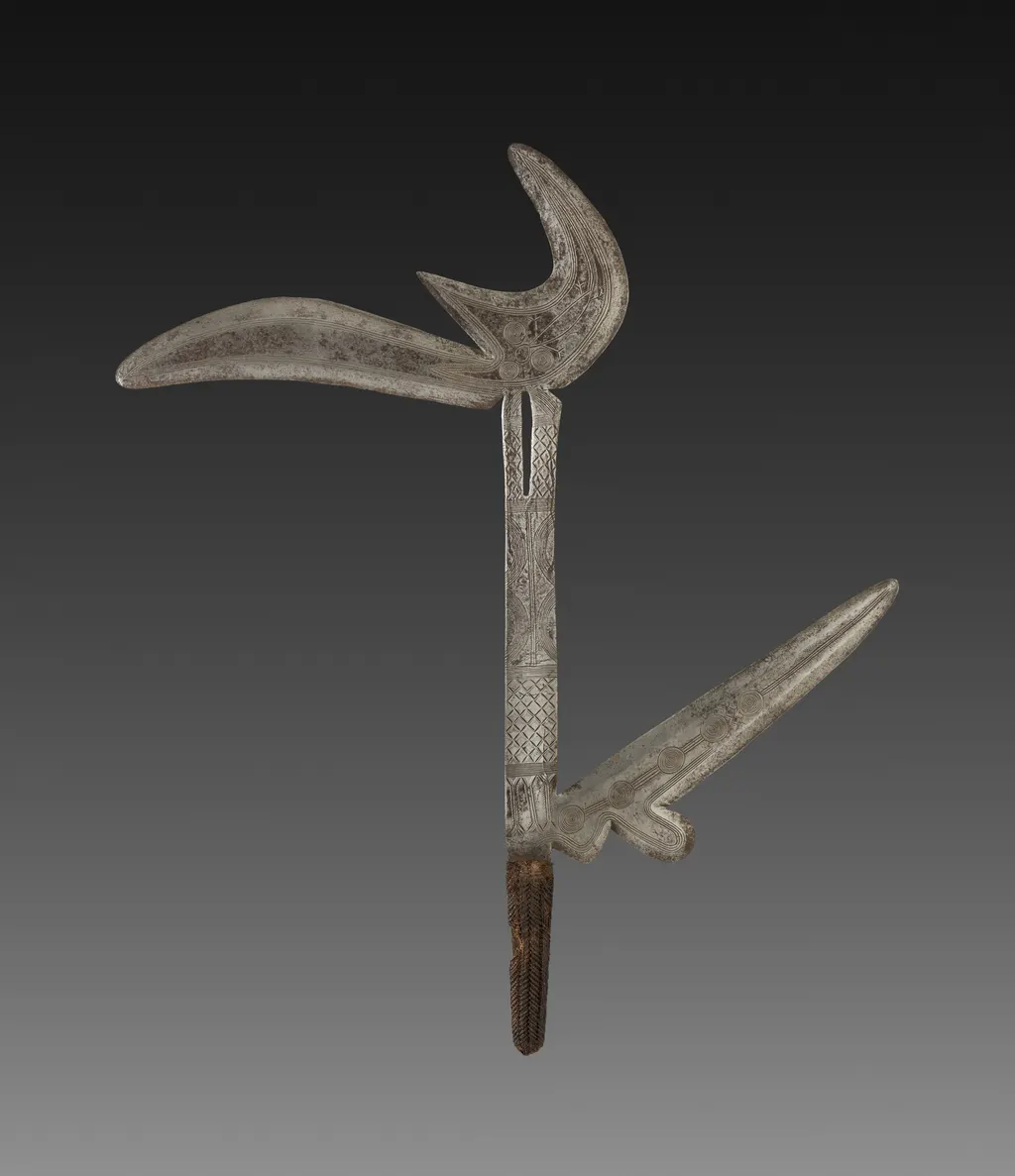
How Zande throwing knives, the Kuba ikul and Asante state swords moved between battle, status and ceremony, and what collectors should ask about provenance.
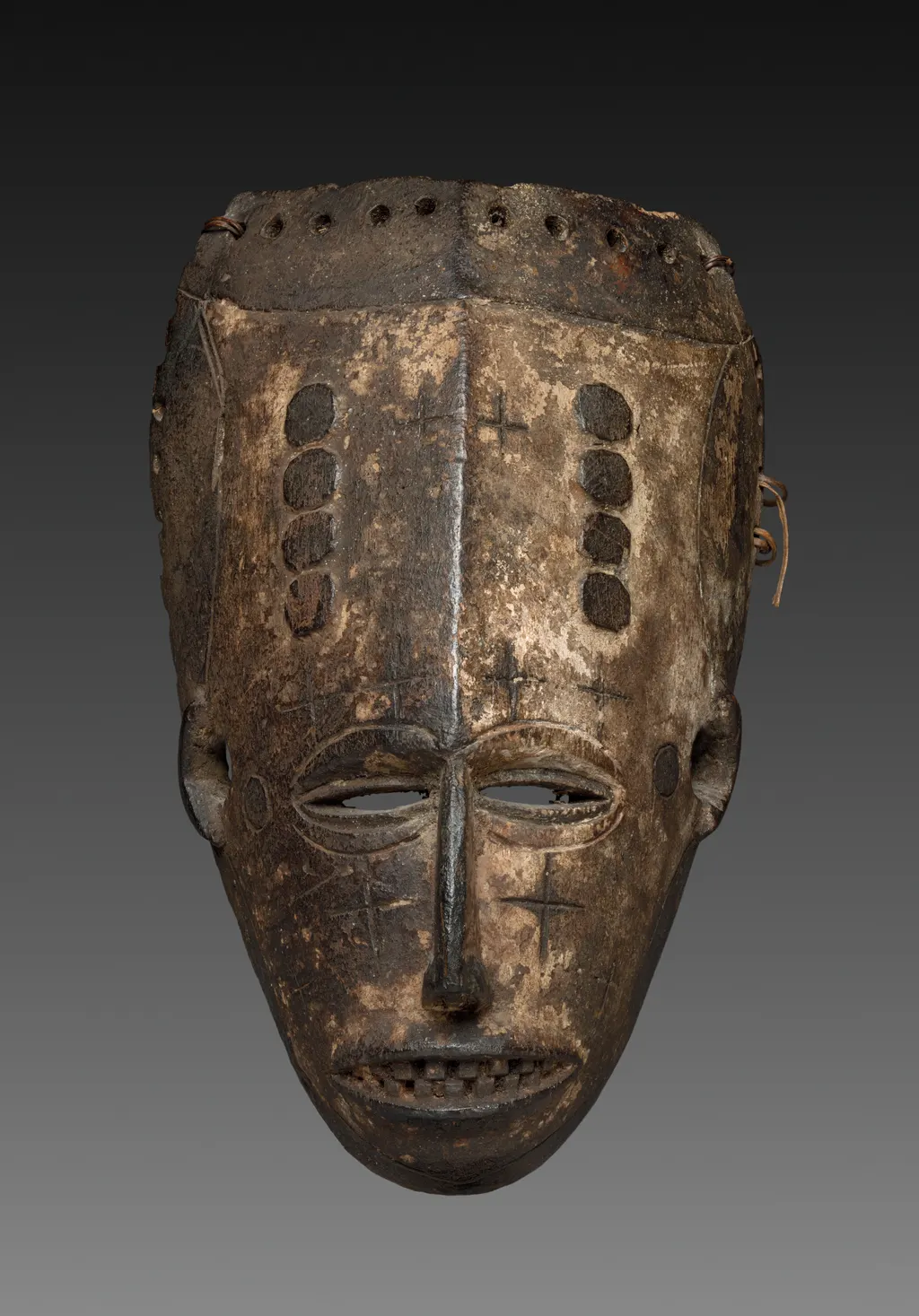
Agbogho mmuo, the maiden spirit masquerades of the northern Igbo of Nigeria: who performs them, what the masks show, and how to look at them in a museum.
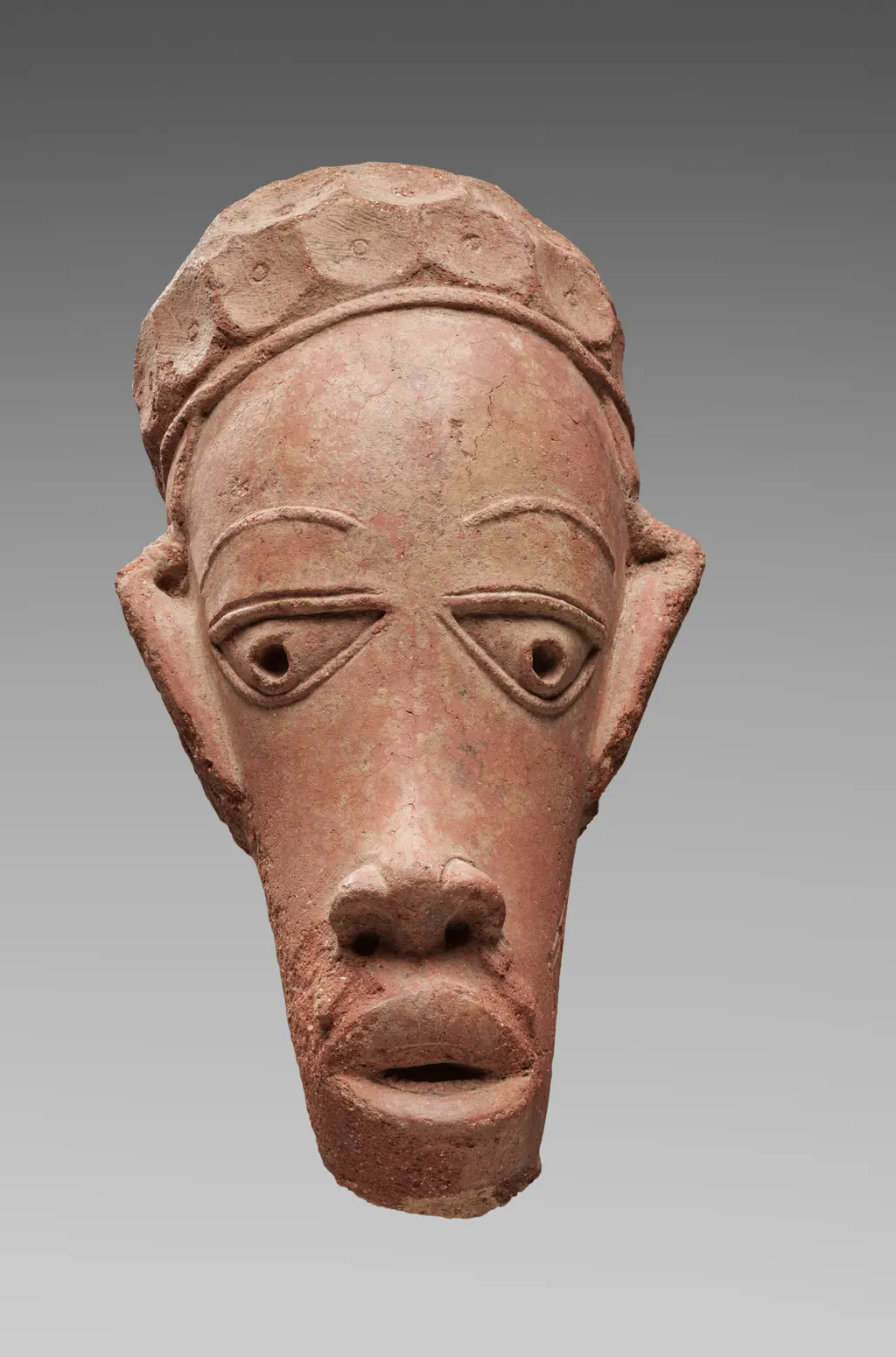
The fired-clay heads and figures of the Nok culture of central Nigeria, how archaeology has redated them, and why looting threatens what we can learn.
Small cast horse-and-rider figures from the Lake Chad basin are sold as Kotoko 'putchu guinadji'. What is known about them, what is not, and how to look.
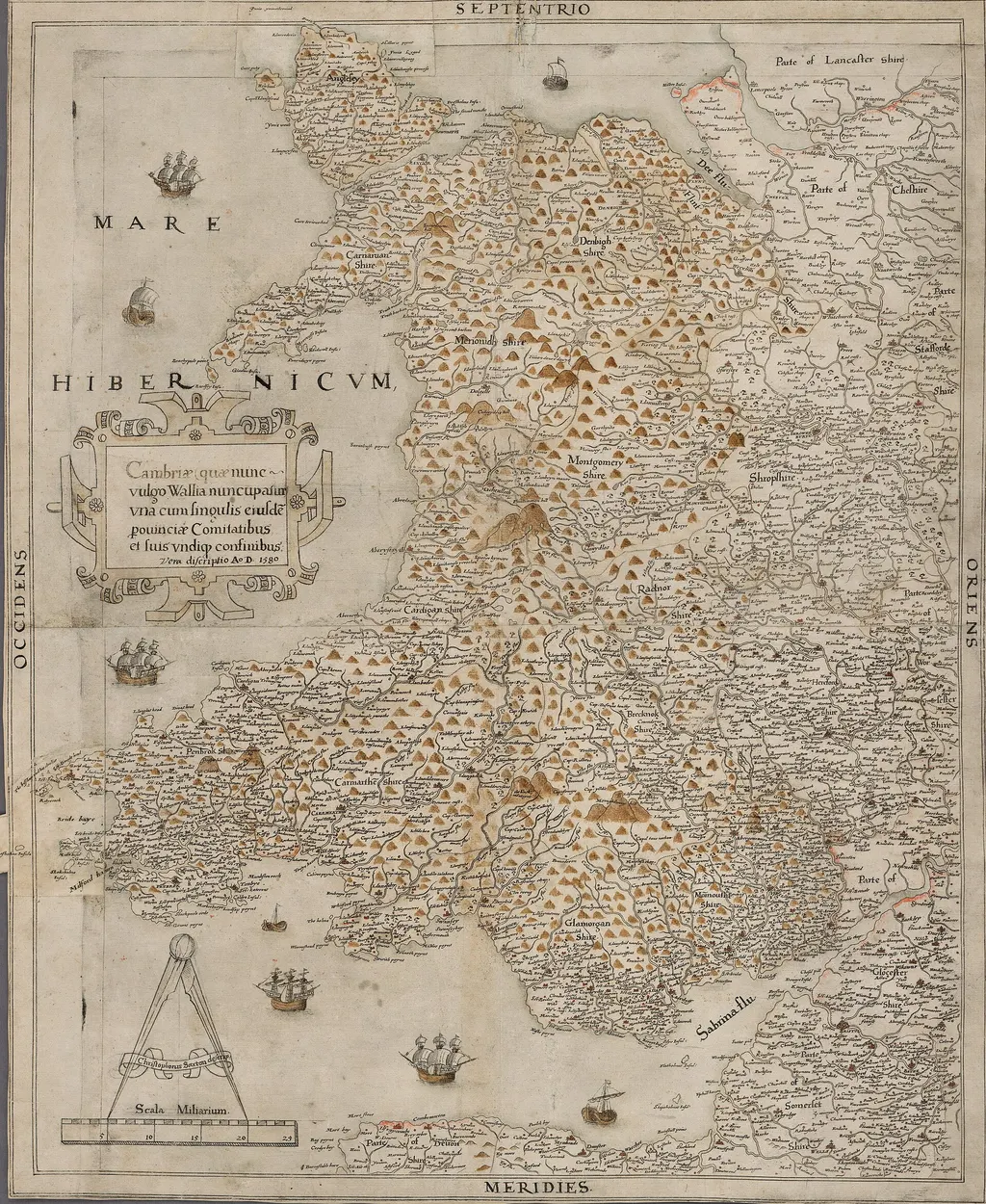
Christopher Saxton surveyed England and Wales for his 1579 county atlas, then produced a great wall map in 1583. How it was made and who followed him.
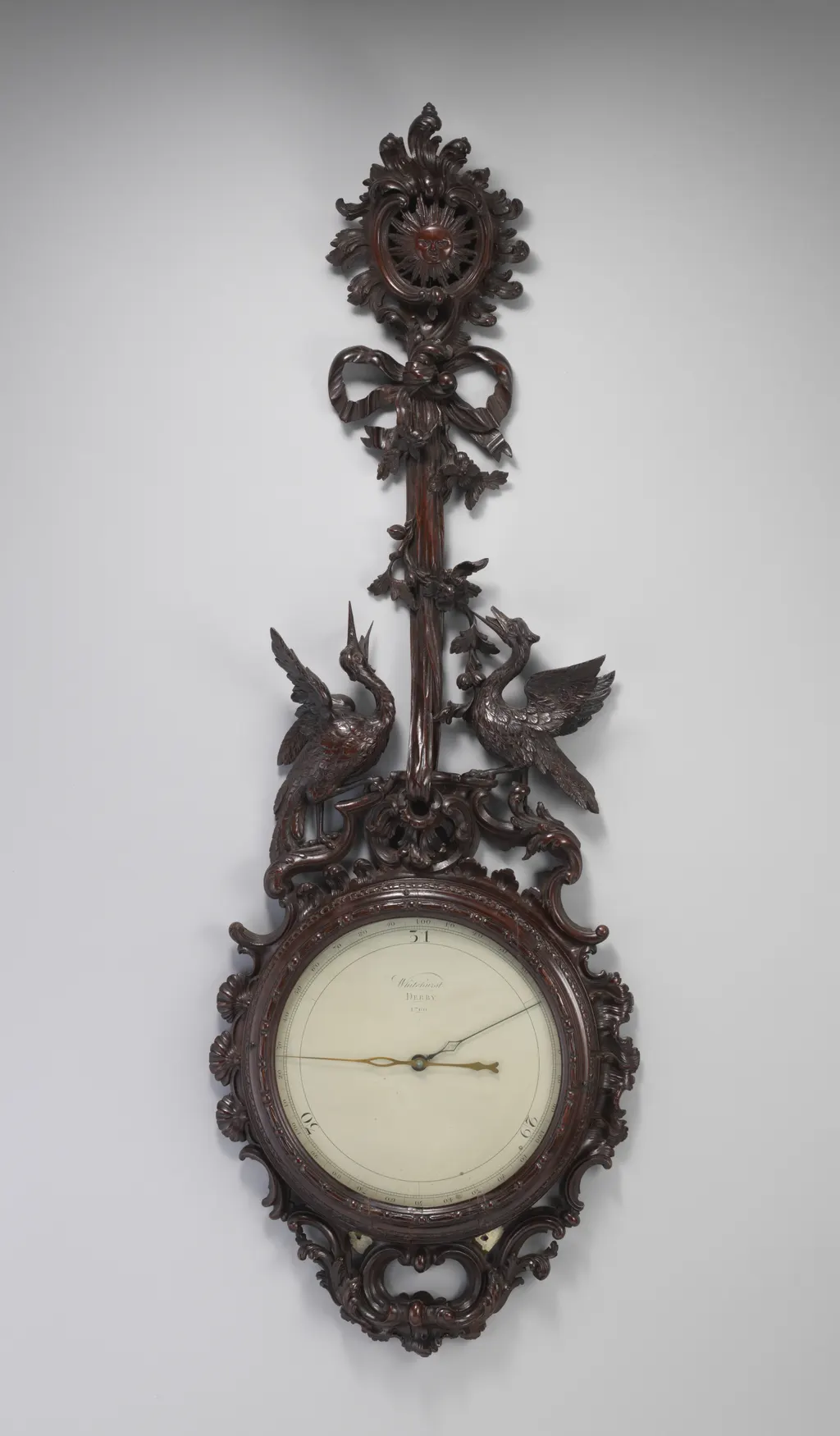
How the Edinburgh instrument maker Alexander Adie's 1818 sympiesometer used oil and gas instead of mercury, why sailors valued it, and what collectors look for.
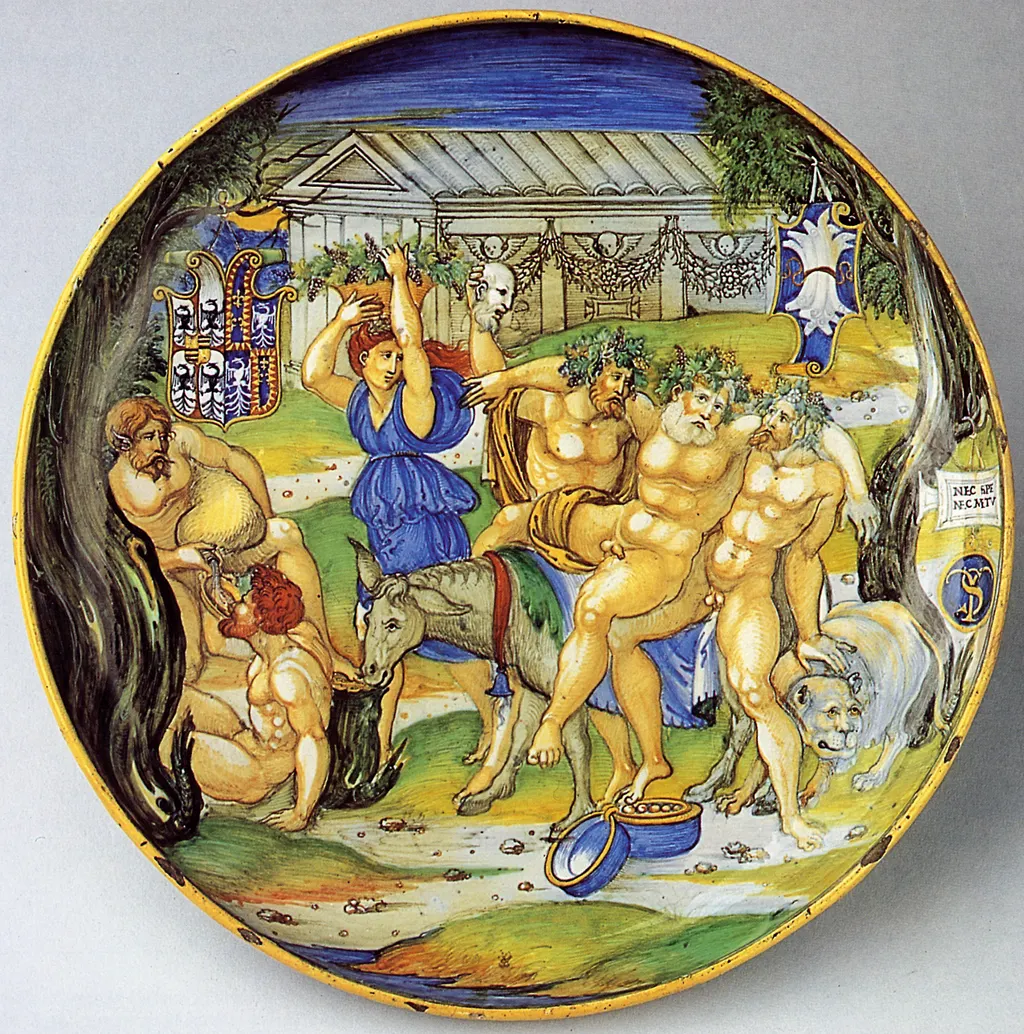
Nicola da Urbino's maiolica service for Isabella d'Este, its mottoes and devices, and why the drunken old satyr Silenus mattered to Renaissance humanists.
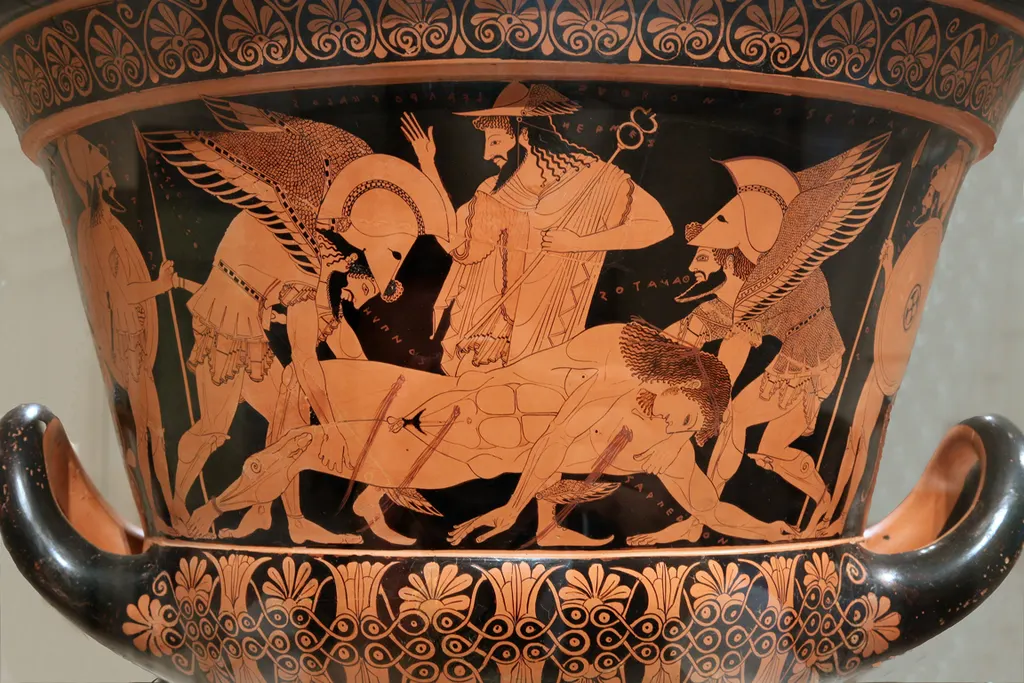
How the 1954 Hague, 1970 UNESCO and 1995 UNIDROIT Conventions and national laws tackle looting, with restitution cases from the Euphronios krater to Benin.